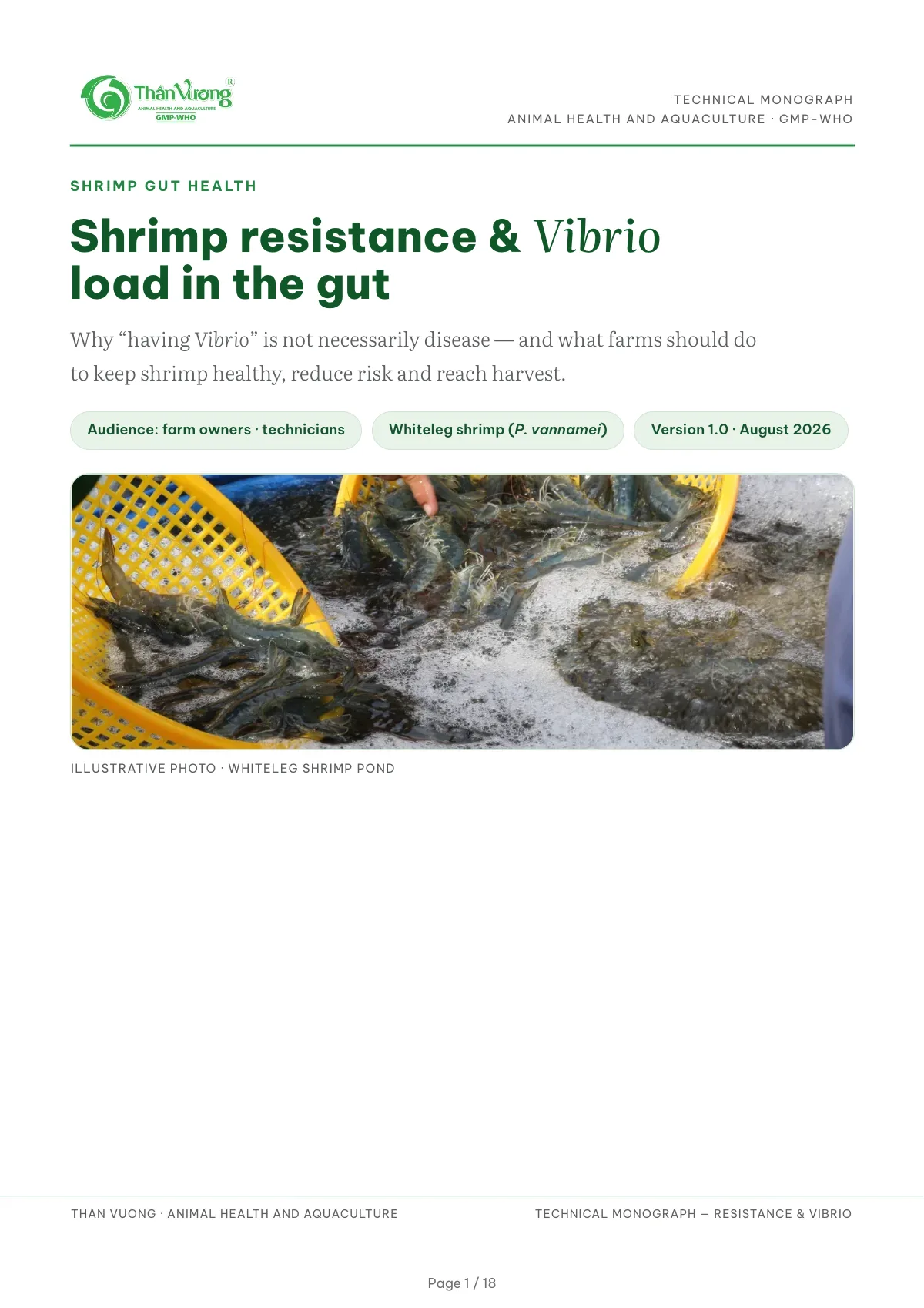
Shrimp resistance & Vibrio load in the gut
Why “Vibrio present” does not always mean disease — and what a farm should do to keep shrimp healthy and finish the crop. An 18-page technical monograph.
Read article

Research, practical guidance and knowledge for every stage of your production cycle.
Why “Vibrio present” does not always mean disease — and what a farm should do to keep shrimp healthy and finish the crop. An 18-page technical monograph.
Read article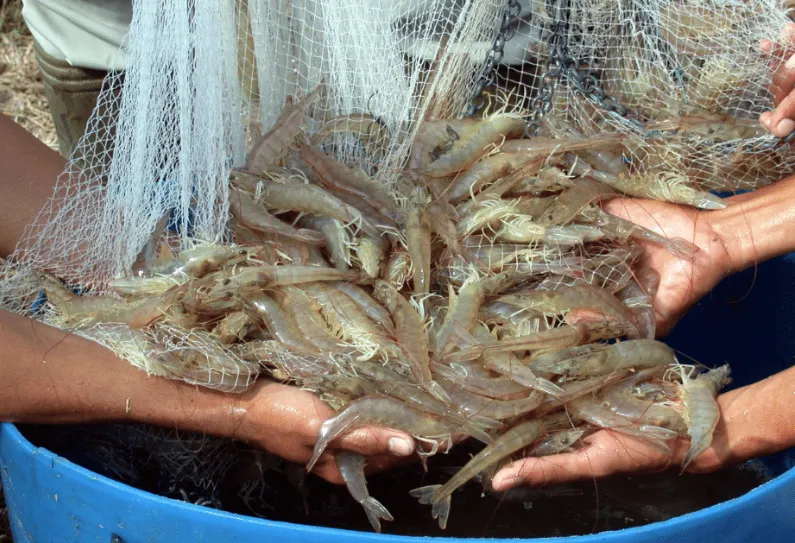
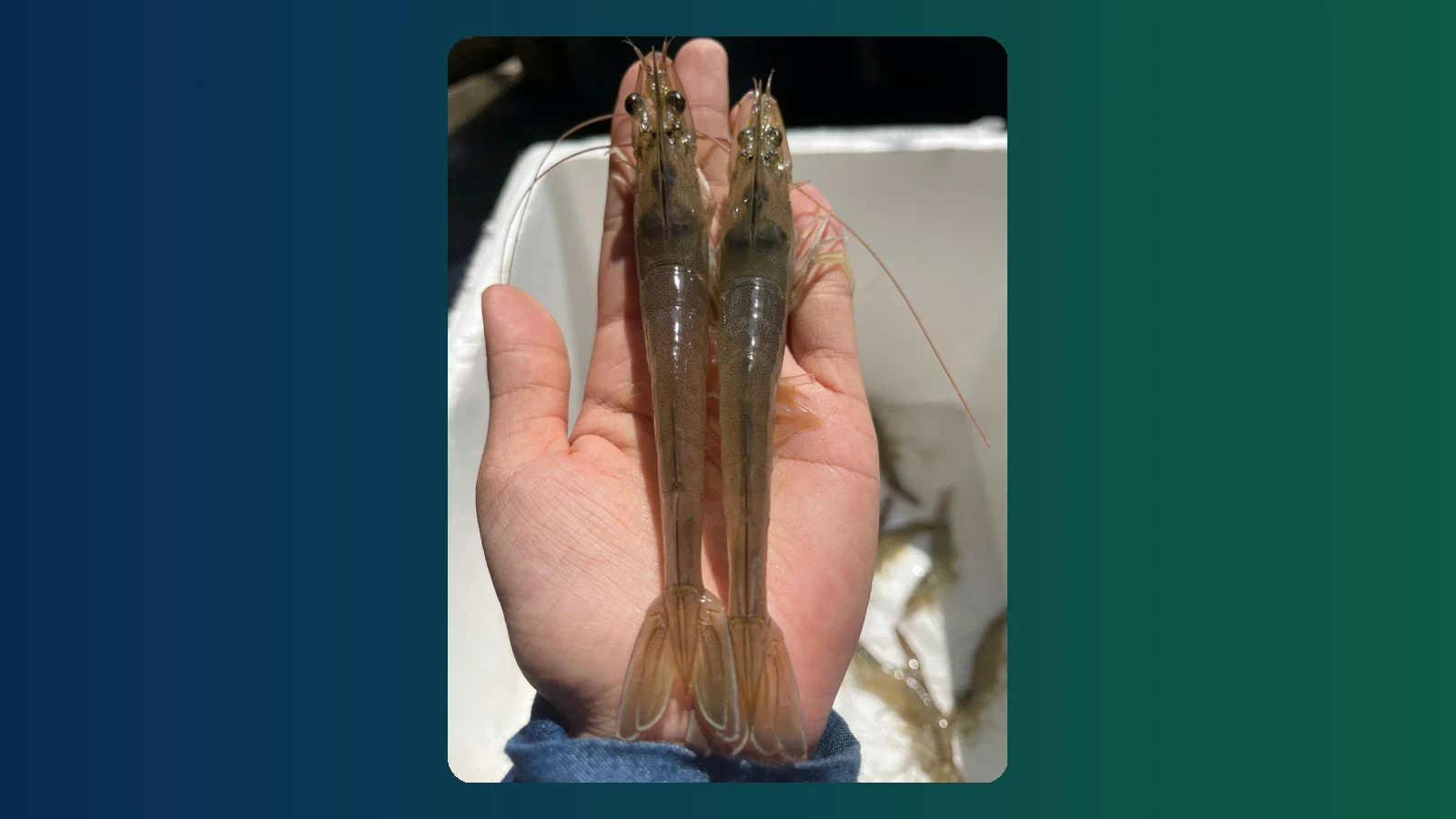
Choose a concern to explore checks and practical guidance.
245 articles in the full library
21 matching articles / 245

After rain, Mg, K or alkalinity reads below the table: how much is enough? The 1 mg/L × 1,000 m³ = 1 kg rule, what shrimp actually need according to published trials, and a worked 3,600 m³ pond example that needs only about 36 kg of KCl and 61 kg of sodium bicarbonate for the first step.
Technical article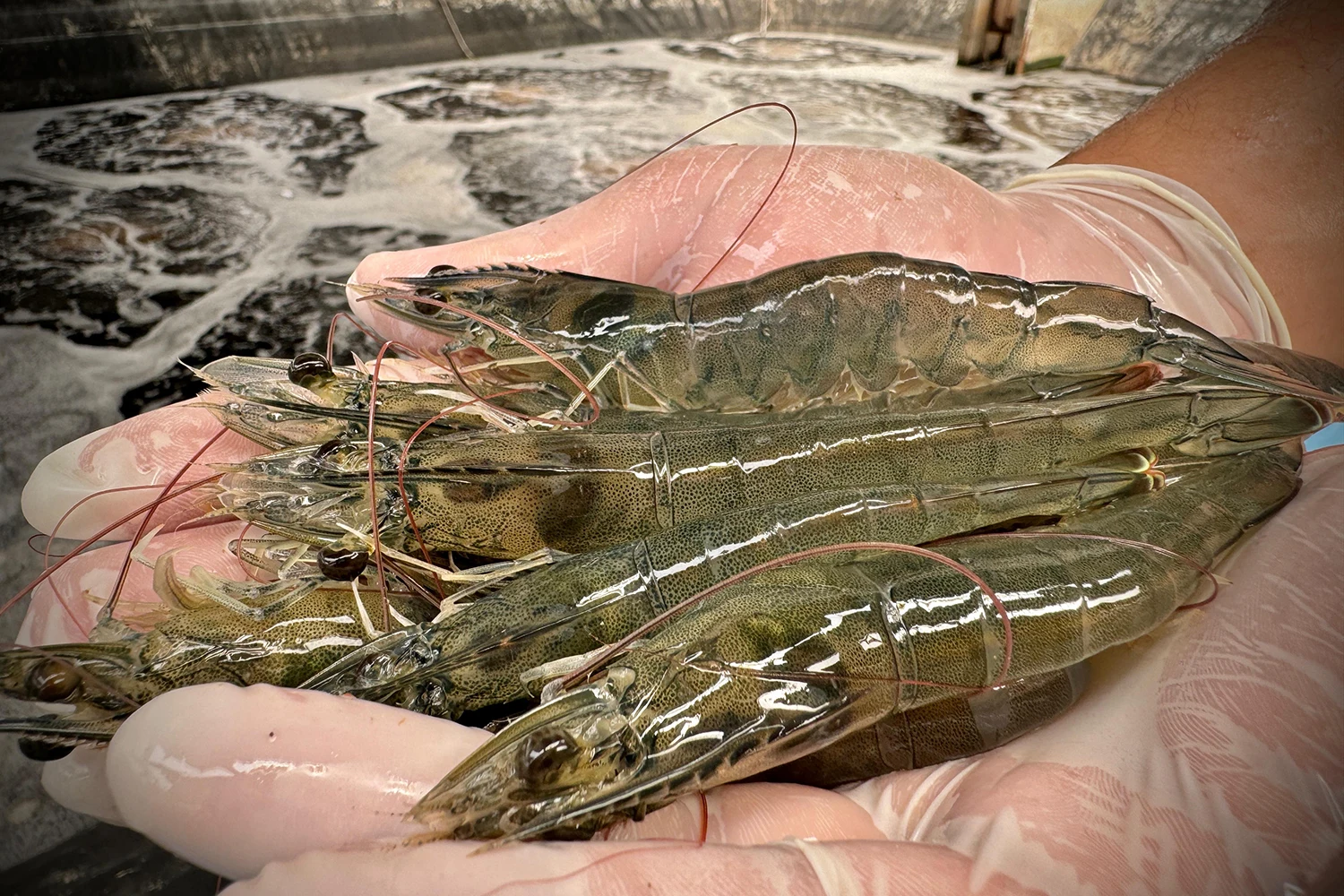
Underwater acoustic sensors can add data on feeding activity that helps farmers adjust their automatic feeders. The technology’s value still has to be verified in the pond, through feed use, growth and environmental conditions.
Practical guidance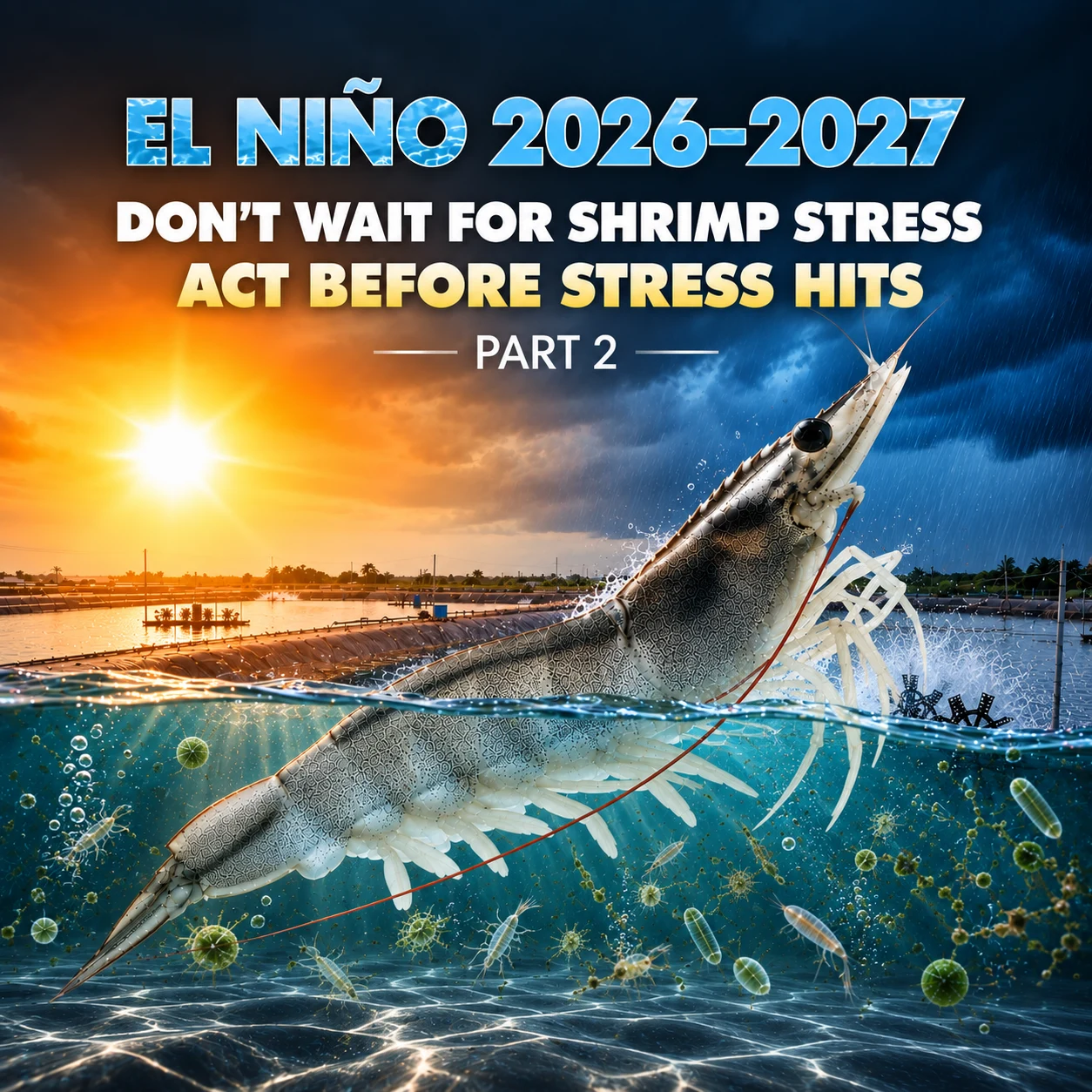
Instead of asking "what do I dose once shrimp are stressed?", the right question is "how much buffer does my pond have left?" This article covers the 9 buffers shrimp farmers should prepare before El Niño 2026-2027 shifts the weather: oxygen, pH, alkalinity, salinity, dietary minerals, algae, bottom organics, feed and backup water — plus a before/during/after-stress priority table.
Technical article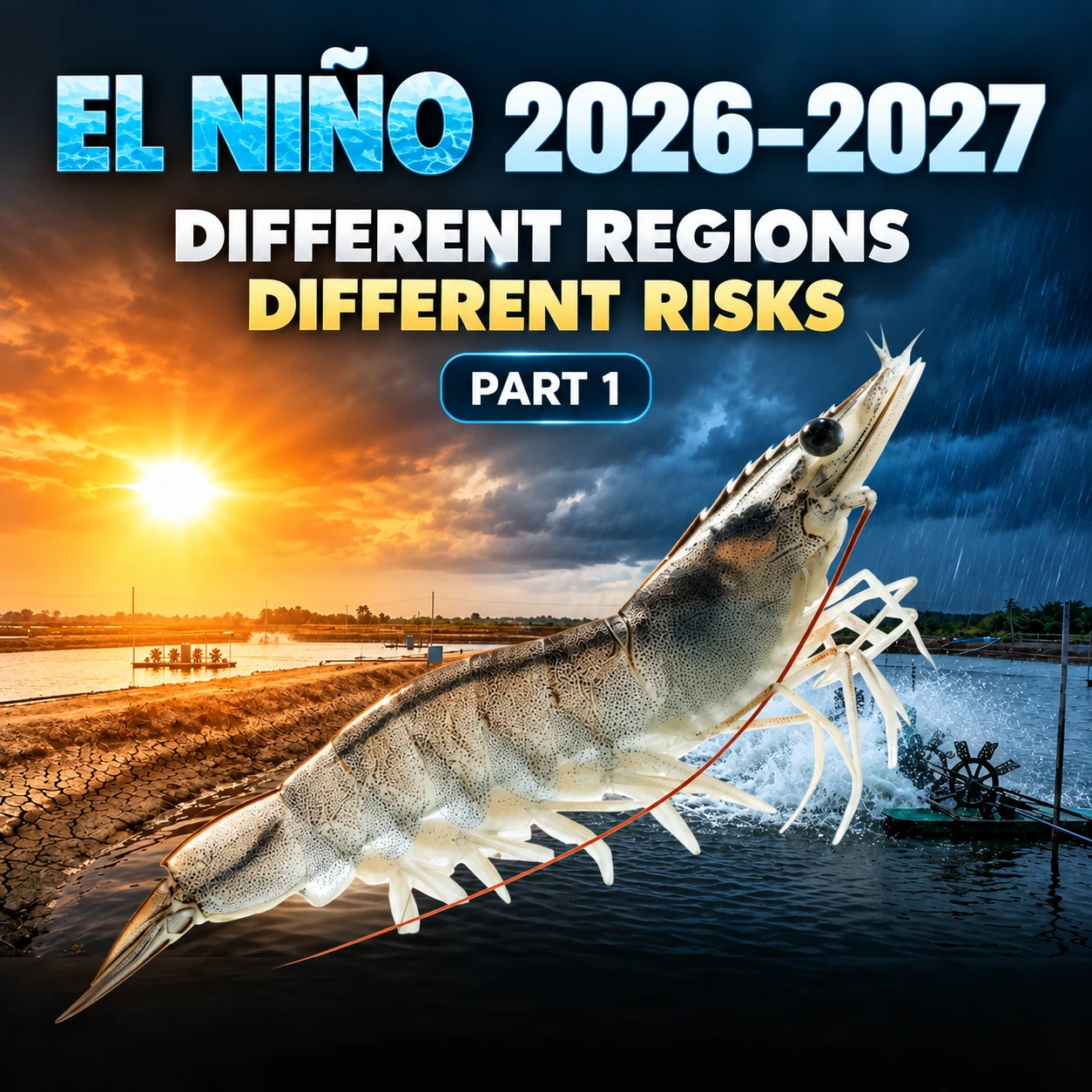
The same El Niño, but every shrimp farming region faces a different risk: heavy rain lowering salinity in some places, drought raising it in others, water shortages elsewhere. Summarized from The Fish Site and Global Shrimp Forum 2026 on how El Niño 2026-2027 affects Ecuador, Mexico, India, Vietnam and other shrimp farming regions.
Technical article
Full-year 2025 global shrimp trade summary: Ecuador leads exports at 1.39M MT (+15%), EU imports surge 21%, US tariff shifts reshape trade flows. Vietnam imports record 99K MT raw material for reprocessing.
Technical article
In modern shrimp farming, there's a rather "painful" reality that many farmers still haven't accepted: Risk mitigation doesn't lie in a single specific medicine bottle, but in the capacity for system management. When disease outbreaks occur, we often frantically search for a new chemical or antibiotic. But according to the philosophy "Good management is a priority", success doesn't come from troubleshooting incidents, but from establishing 5 robust protective barriers.
Practical guidanceFeed is the highest variable cost in shrimp production, and feed management has a greater impact on the feed conversion ratio (FCR) at harvest than even feed quality.
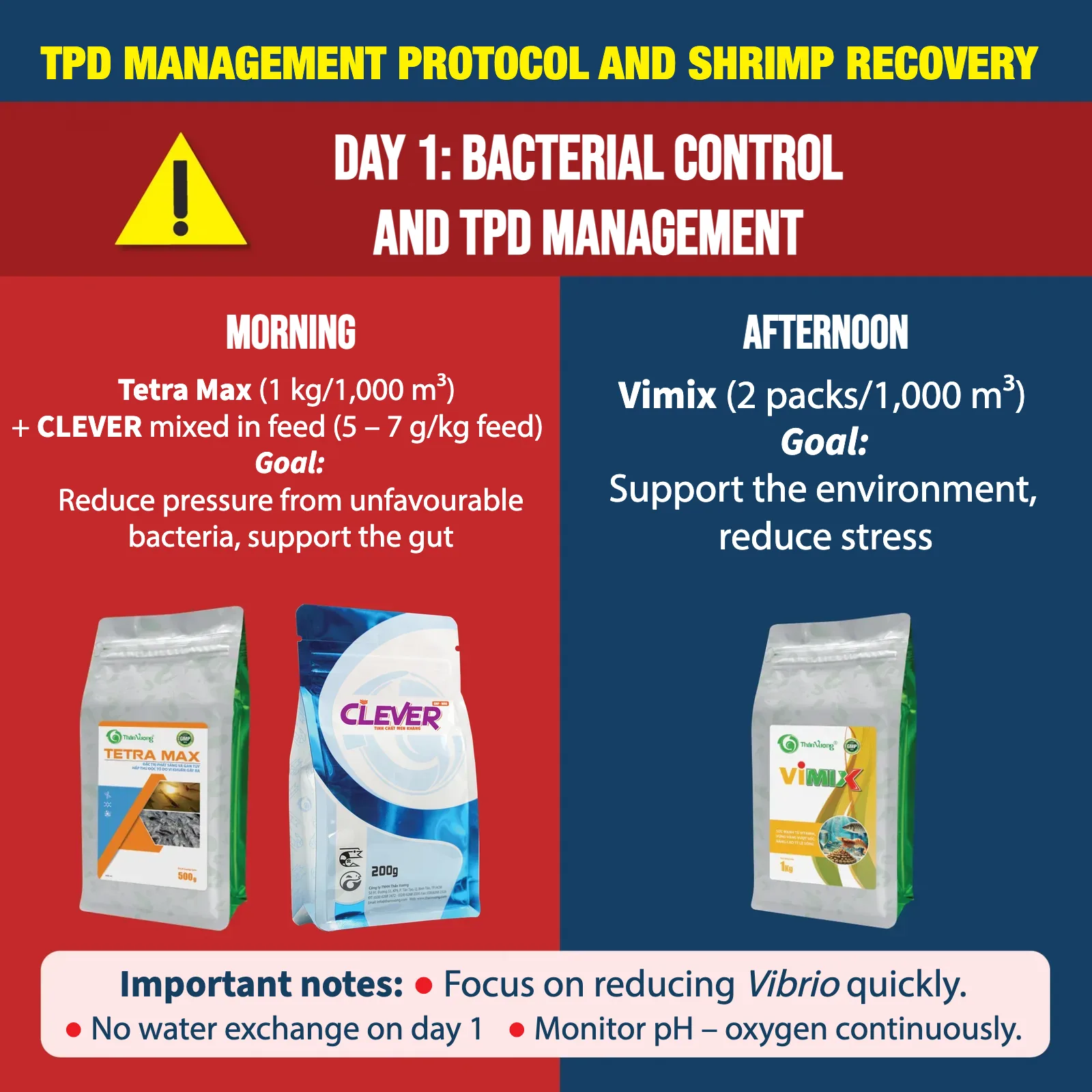
Practical guidanceTPD causes very rapid collapse, but with proper intervention during the 3 golden days, shrimp have a chance to recover. Most important: do it right – do it sufficiently – do not give up halfway.
Practical guidance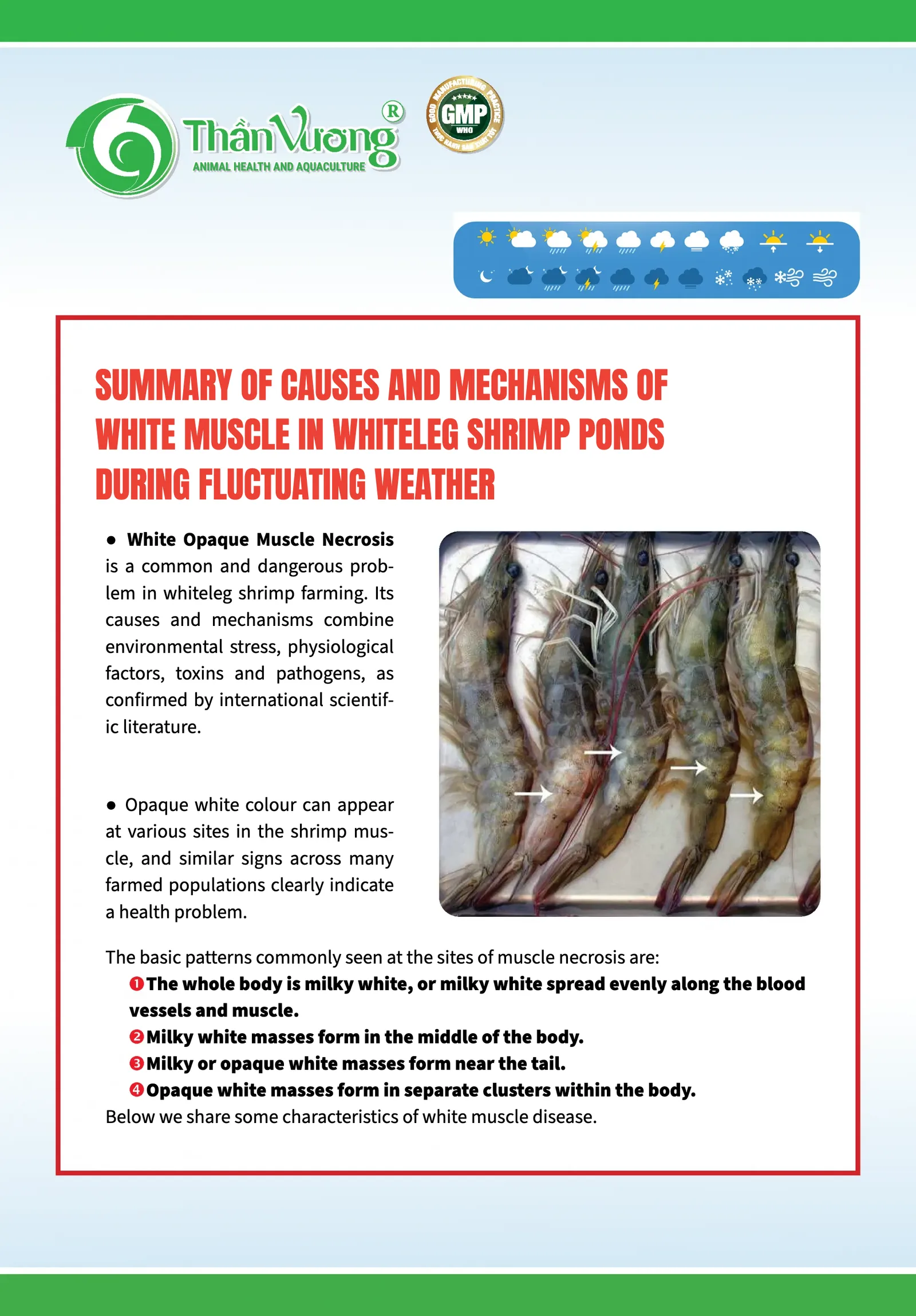
White Opaque Muscle Necrosis is a common and dangerous problem in whiteleg shrimp farming. The disease's pathogenesis, causes, and mechanisms, which involve a combination of environmental stress, physiological factors, toxins, and pathogenic agents, have been validated by international scientific literature.
Technical article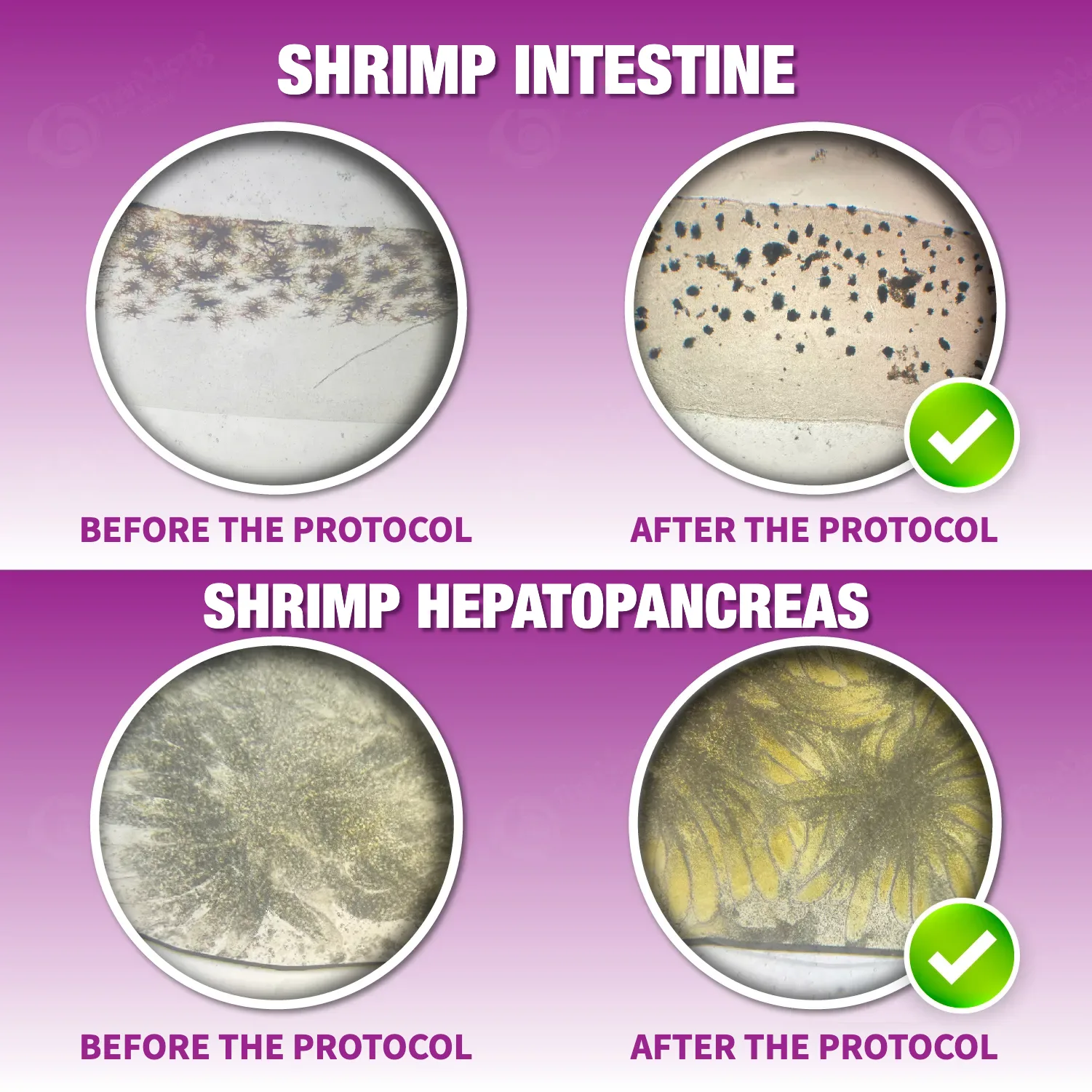
Shrimp feeding poorly and showing early signs of white feces are a warning of crop failure. Than Vuong shares a white feces management protocol for EHP and algae.
Practical guidance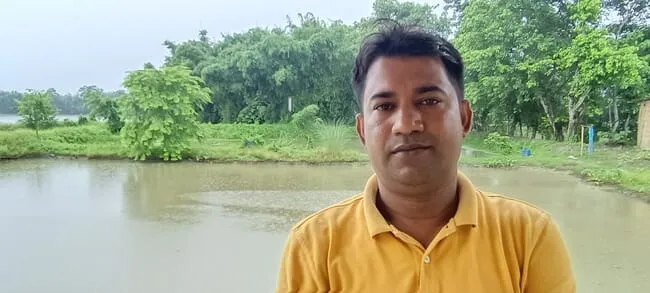
Scientists in India have developed a genetically improved (GI) giant river prawn strain (Macrobrachium rosenbergii) with novel disease resistance, helping to create new income sources for aquaculture farmers in Assam.
Research insight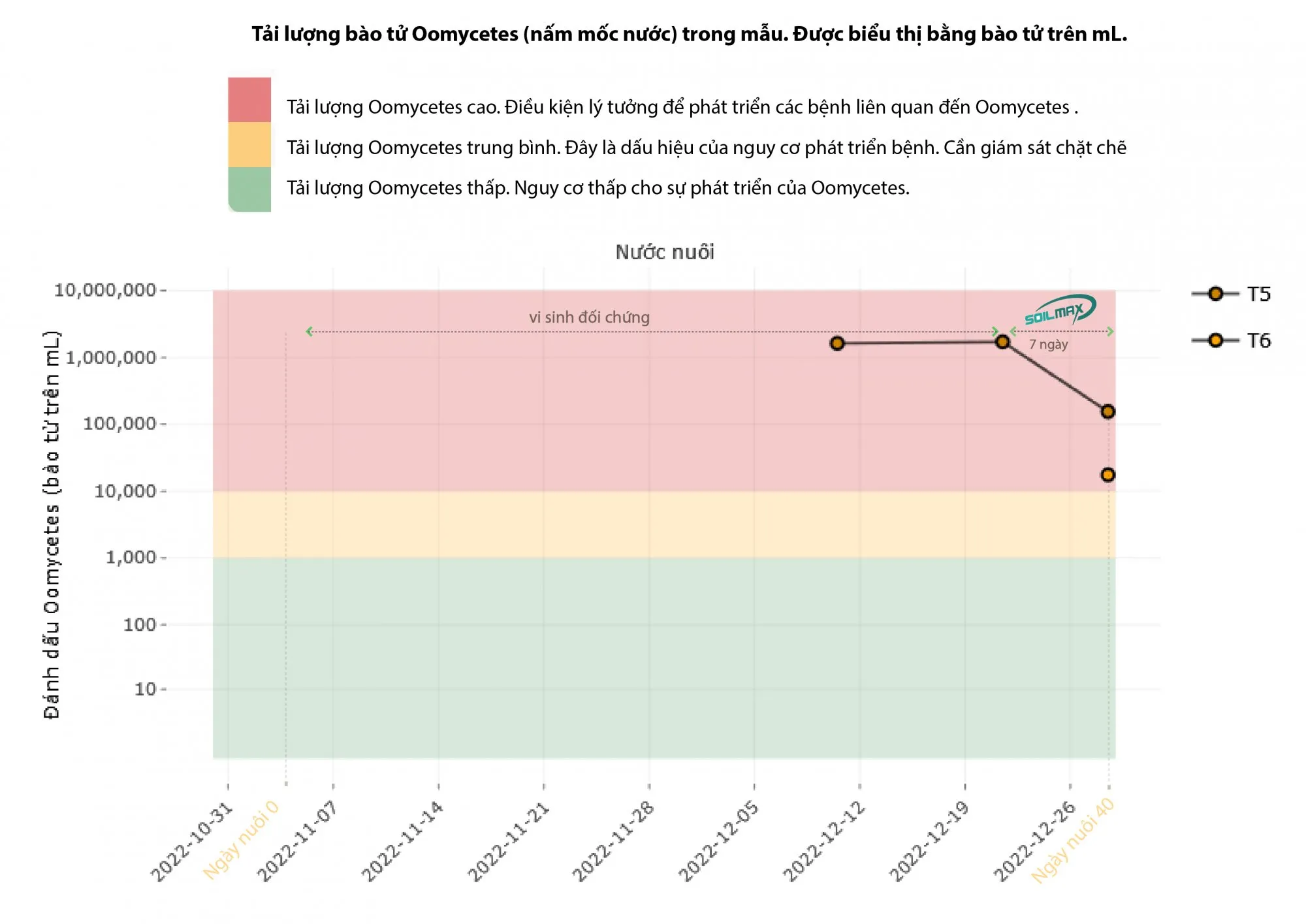
Than Vuong experimented with and evaluated the control of fungal cells in various farming areas with different salinities. Both laboratory and field results were very good when combined with SoilMax.
Practical guidanceCompare water readings and estimate mineral supplementation.
02Cross-check samples, feeding and biomass within the same period.
03Explore feeding references by stage and adjust to pond observations.
04Track feed, costs and crop results. Vietnamese-language app.
Have your water readings, days of culture and feeding observations ready for a more specific discussion.
Aquaculture technical assistant