
Translucent PL, shrunken hepatopancreas, empty gut — postlarvae dying 80-100% within days?
This is TPD — Translucent Postlarvae Disease caused by Vibrio parahaemolyticus VP4-24, the nightmare of hatcheries and nursery ponds since 2023. Infected PL rarely recover — which is why EARLY PREVENTION matters most.
TPD (Translucent Postlarvae Disease), caused by Vibrio parahaemolyticus VP4-24, kills 80-100% of PL5-PL15 postlarvae within days — infected PL rarely recover, so EARLY PREVENTION is the most effective protocol: PCR-test every PL batch, seed SOILMAX/LALSEA BIOREM 2-3 days before stocking, feed CLEVER 2g/kg + AQUAMOS 3g/kg from day one of nursing to support the gut and resistance. At first signs, call a technician to check samples, manage the water and support the hepatopancreas with HEPA PRO + HERB GUARD.
Quick Summary
Main Causes
- Vibrio parahaemolyticus VP4-24 carries toxin genes
- PL already infected at the hatchery
- An "empty" environment after disinfection
Signs
- clouding the hepatopancreas and gut of PL5-PL15 postlarvae
- stocking without PCR testing brings the pathogen in from day one
- Vibrio doubles every 10 minutes, claiming the niche before beneficial microbes establish
Solutions
- PCR-test EVERY PL batch for Vibrio parahaemolyticus (VP4-24) + EHP before stocking
- Seed SOILMAX / LALSEA BIOREM 2-3 days before stocking
- Feed CLEVER 2g/kg + AQUAMOS 3g/kg from the first day of nursing; disinfect equipment between nursery tanks
Why are shrimp vulnerable?
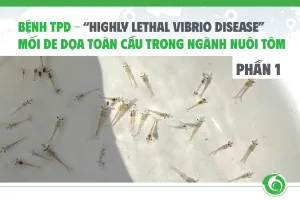
Vibrio parahaemolyticus VP4-24 carries toxin genes — clouding the hepatopancreas and gut of PL5-PL15 postlarvae
📖 Read article →
PL already infected at the hatchery — stocking without PCR testing brings the pathogen in from day one
📖 Read article →
An "empty" environment after disinfection — Vibrio doubles every 10 minutes, claiming the niche before beneficial microbes establish
📖 Read article →Prophylactic antibiotic abuse — wipes out beneficial microbes while VP4-24 develops resistance rapidly
📖 Read article →Nursery stress: high density, salinity shock, tank transfers — PL resistance drops suddenly
📖 Read article →Complete 6-step protocol
Stabilize → Cut pathogen → Recover internally
PCR-test EVERY PL batch for Vibrio parahaemolyticus (VP4-24) + EHP before stocking — reject infected batches without exception
Seed SOILMAX / LALSEA BIOREM 2-3 days before stocking — beneficial microbes claim the niche before Vibrio can grow
HEPA PRO 5-7ml/kg + HERB GUARD 5-7ml/kg alternating for 2-3 days; cut feed ≥ 50% for the first 2-3 days to unload the hepatopancreas
AQUAMOS 3-5g/kg for immunity + MIXBOOM/CALPHOS GRO minerals for moulting; maintain probiotics every 3-5 days
Expected Results
Acute symptoms reduce, shrimp stabilize
Clear improvement, shrimp resume eating
Full recovery, maintain with regular probiotics
Protocol Product Combo
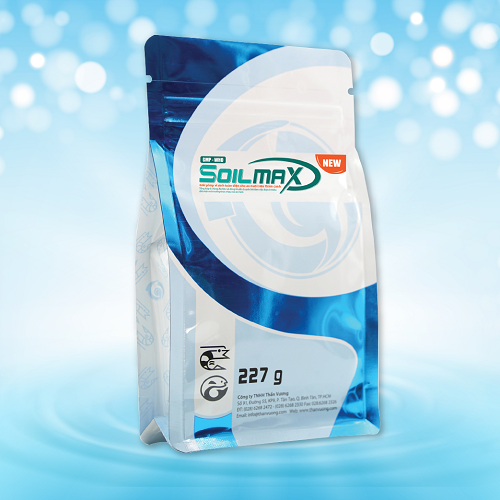 SOILMAX Newen: Mature the water before stockingKey product
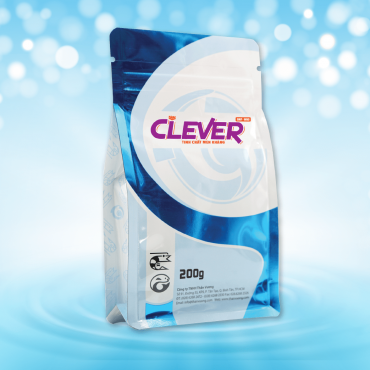 CLEVERen: From day one of nursing — yeast protein that supports gut microbial balance
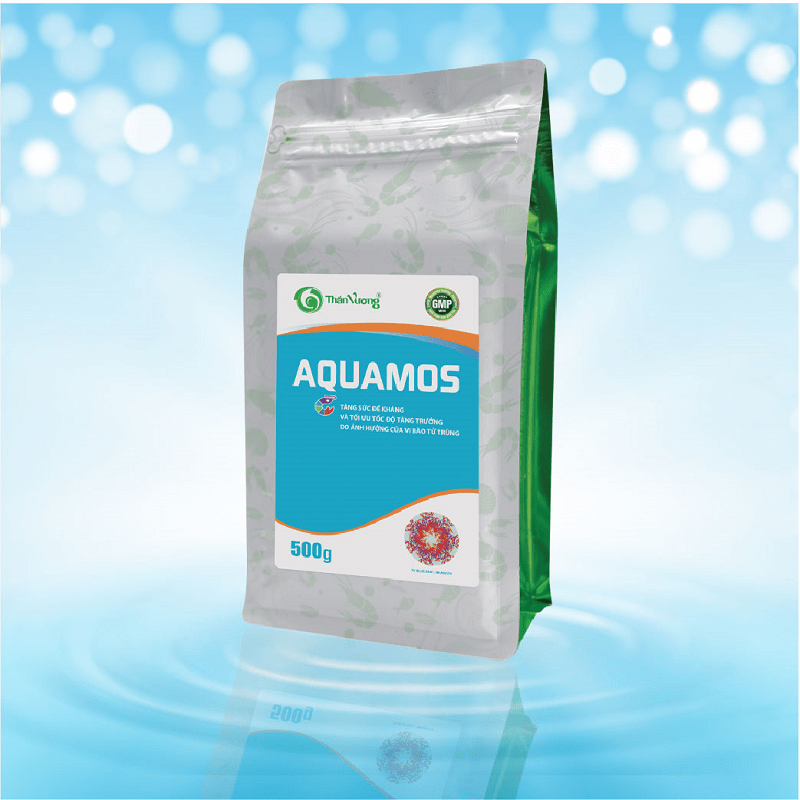 AQUAMOSen: Beta-glucan boosts PL immunity
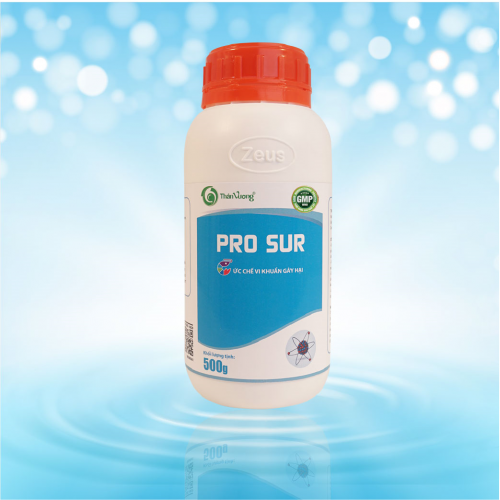 PRO SURen: Gut support — dose per label
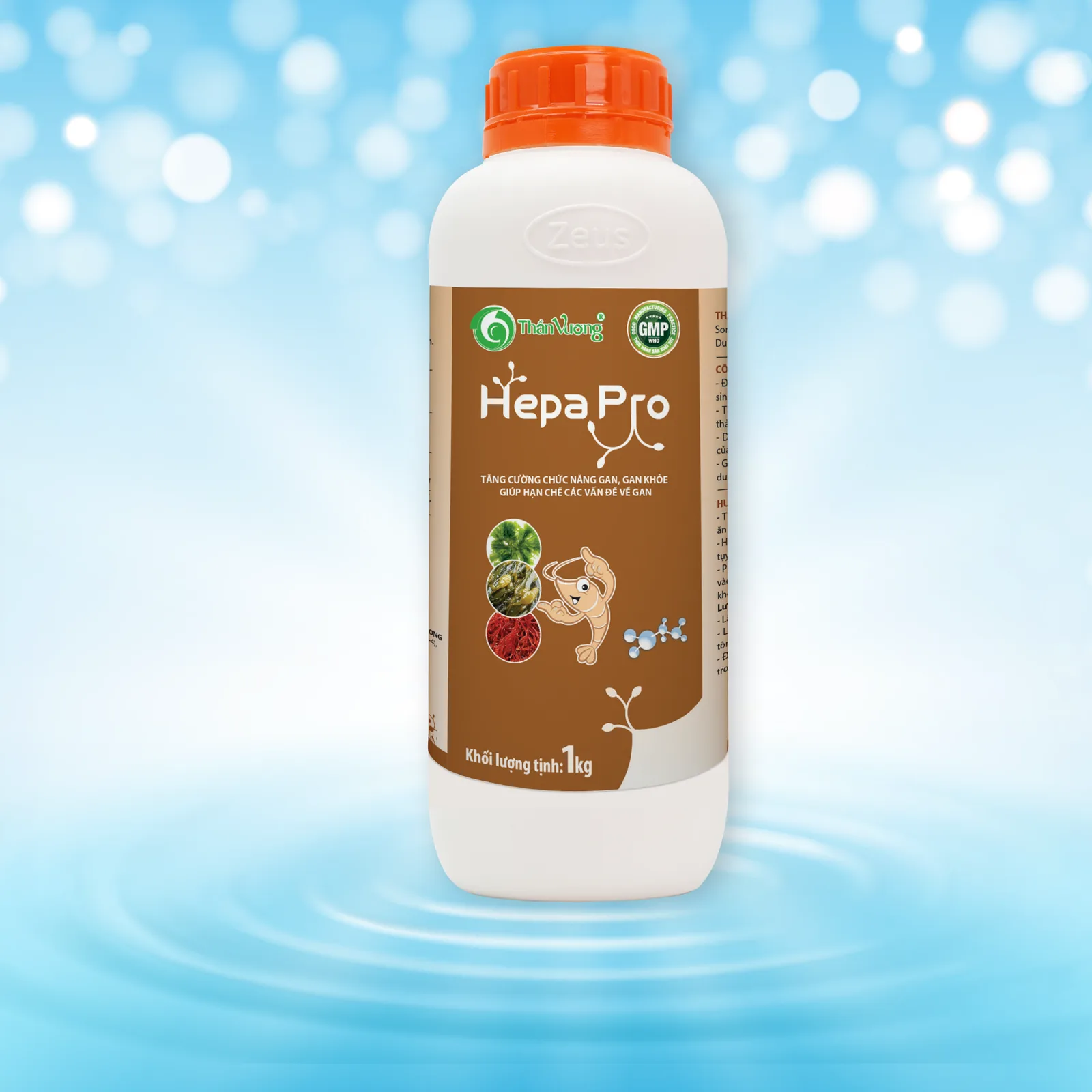 HEPA PRO (Dung dịch)en: Hepatopancreas recovery at first signs
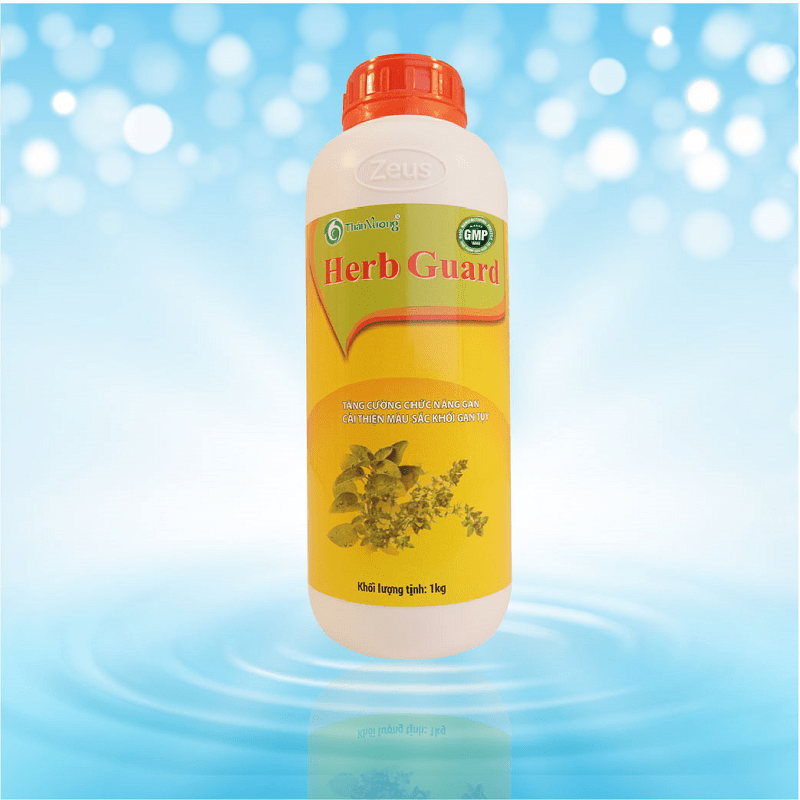 HERB GUARDen: Herbal hepatopancreas protection
Frequently Asked Questions
What is TPD and how does it differ from EMS/AHPND?
TPD (Translucent Postlarvae Disease) is caused by toxin-gene-carrying Vibrio parahaemolyticus VP4-24 attacking PL5-PL15 postlarvae: translucent body, shrunken hepatopancreas, empty gut, bottom-sitting, 80-100% mortality within days. Unlike EMS/AHPND, TPD causes no obvious soft shell — it destroys digestive mucosa cells directly, so early prevention and a healthy gut and hepatopancreas are key.
What are the earliest signs of TPD in PL?
Under magnification/light: PL turn abnormally translucent, the hepatopancreas shrinks and pales, the gut is empty of feed, weak PL sit at the tank bottom. Once 5-10% of PL show these signs, mortality typically explodes to 80-100% within 2-3 days — call a technician and act immediately.
Why avoid blanket disinfection during nursing?
Blanket disinfection also wipes out beneficial microbes, leaving an "empty" environment that harmful bacteria (doubling every 10 minutes) recolonise even faster. Than Vuong's approach is early prevention: mature the water microbiota and keep the gut and hepatopancreas healthy; use veterinary medicines only after a diagnosis and as a technician advises.
How early is "early" for TPD prevention?
Before stocking: (1) PCR-test every PL batch for VP4-24 + EHP — reject infected batches; (2) seed SOILMAX/LALSEA BIOREM 2-3 days before stocking so beneficial microbes claim the niche; (3) feed CLEVER 2g/kg + AQUAMOS 3g/kg from day one of nursing. Waiting for symptoms is already too late in most cases.
PL already showing TPD — can they still be saved?
The save rate is low because the toxin destroys mucosa fast, but call a technician immediately to manage the water (alternating disinfection, DO) and support the hepatopancreas (HEPA PRO + HERB GUARD, feed cut ≥50%). Batches that survive are usually those treated within the first 24h.
My nursery had TPD before — how do I prevent it next crop?
Disinfect tanks/equipment thoroughly, dry and treat the bottom; after disinfection you MUST reseed microbes (SOILMAX/LALSEA BIOREM) 2-3 days before stocking — a sterile-but-empty environment is ideal for VP4-24 to return. Maintain CLEVER + AQUAMOS through nursing and PCR-test periodically. Contact Than Vuong technicians (Zalo 0867 957 568) for a prevention plan tailored to your farm.
Shrimp resistance & Vibrio load in the gut
Why “Vibrio present” does not always mean disease — and what a farm should do to keep shrimp healthy and finish the crop. An 18-page monograph for farm owners and technicians.
- There is no universal “safe” Vibrio threshold — TCBS counts colonies, it does not tell you whether a strain is virulent.
- A positive PCR means “detected”, not “diseased”. Trends across repeated tests plus shrimp behaviour beat a single number.
- Risk balance: load × virulence × stress × exposure, divided by immunity × gut barrier × microbial competition × hepatopancreas recovery.
- Resistance has 5 layers: gut barrier, cellular immunity, humoral immunity, hepatopancreas and nutrition — no single additive offsets poor feed or prolonged low oxygen.
- A Green–Amber–Orange SOP matrix with 5 real cases and a field checklist for pond-side decisions.
Prepared for training and technical management. In case of abnormal mortality or suspected infectious disease, consult a laboratory and a qualified aquatic veterinarian.
Need immediate support?
Than Vuong technical team — free consultation, 24h response.
No spam. Free consultation. Real technical team.