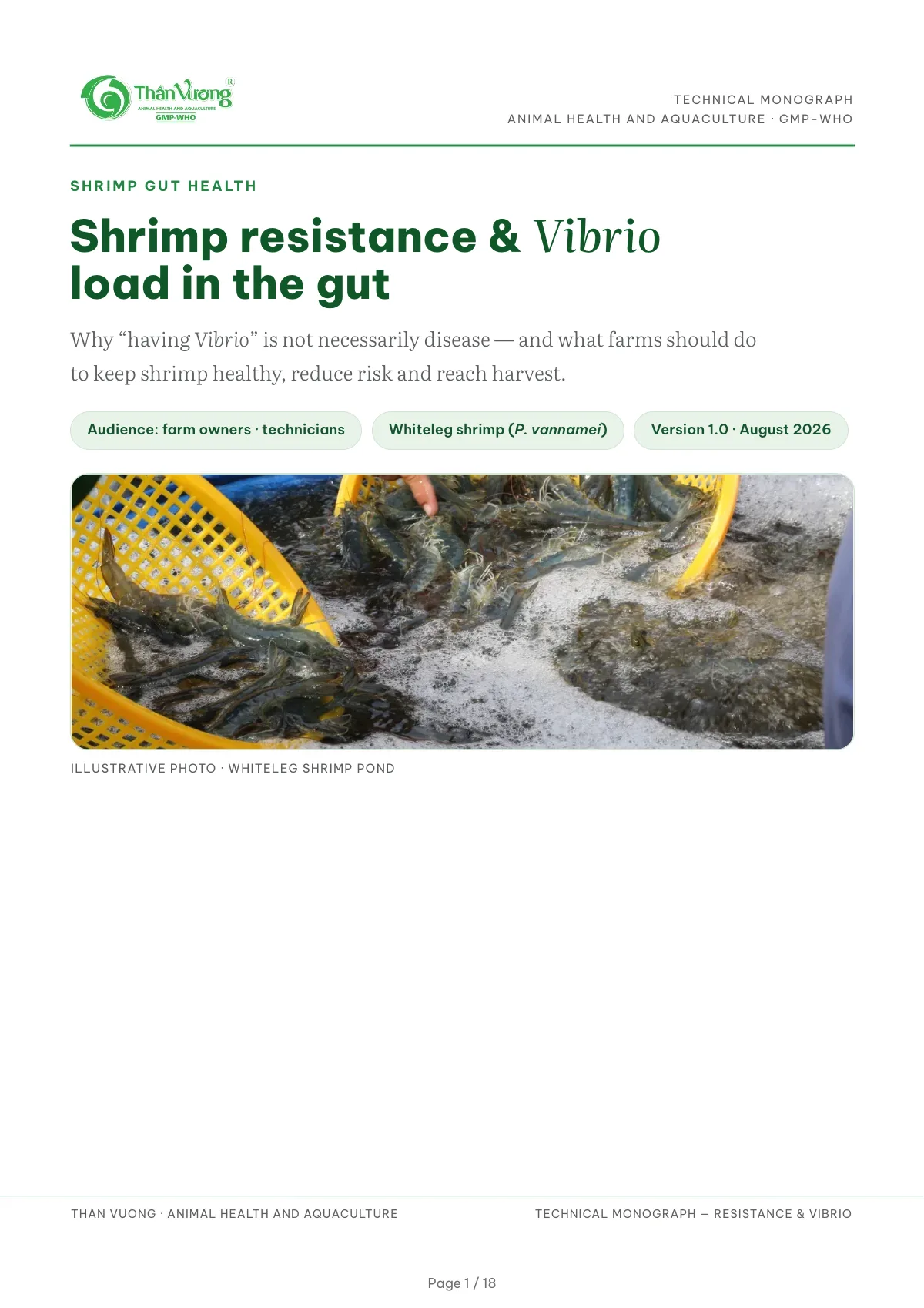
Shrimp resistance & Vibrio load in the gut
Why “Vibrio present” does not always mean disease — and what a farm should do to keep shrimp healthy and finish the crop. An 18-page technical monograph.
Read article

Research, practical guidance and knowledge for every stage of your production cycle.
Why “Vibrio present” does not always mean disease — and what a farm should do to keep shrimp healthy and finish the crop. An 18-page technical monograph.
Read article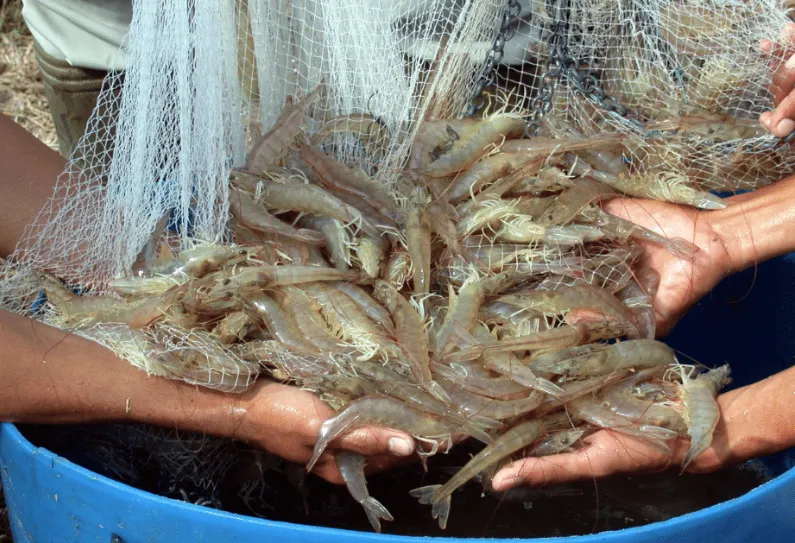
Choose a concern to explore checks and practical guidance.
245 articles in the full library
55 matching articles / 245
A review of 2021–2026 research: in Chinese outbreaks the white strings were mostly EHP spores; in Indonesia and China some Vibrio species surge in white-feces guts; water at 28–36 °C raises the risk. In the laboratory, shrimp needed both EHP and Vibrio to produce white feces.
Research & trials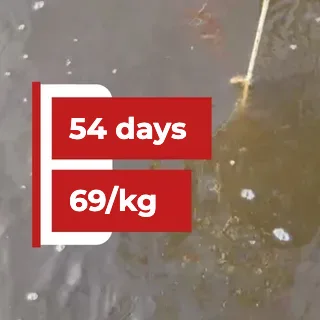
A shrimp pond applying Than Vuong's environmental management and nutrition protocol achieved remarkable results: shrimp reached a size of 69 pieces per kilogram at 54 days of culture, with an FCR of 1.0 and a 25% reduction in water exchange compared to conventional methods. This article breaks down the complete protocol and the product combination behind these outcomes.
Research & trialsGlobal warming alters the gut microbiota of Pacific whiteleg shrimp by restructuring enterotypes, increasing the risk of diseases such as White Feces Syndrome (WFS) and hepatopancreatic necrosis syndrome. This study identifies temperature as the primary driver of microbial structure and proposes "enterotypes" as a key ecological indicator for predicting the health of poikilothermic animals in the context of climate change.
Research & trials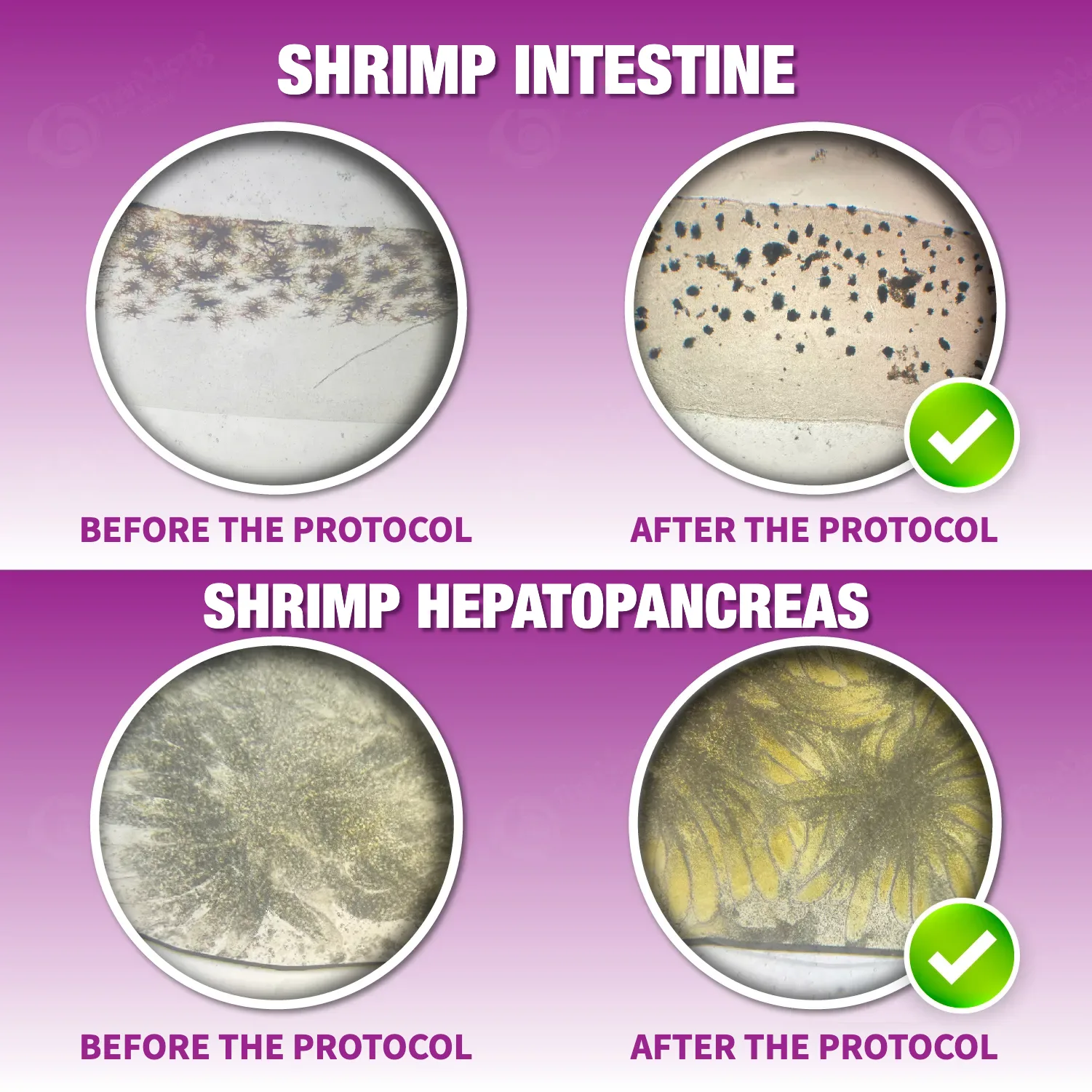
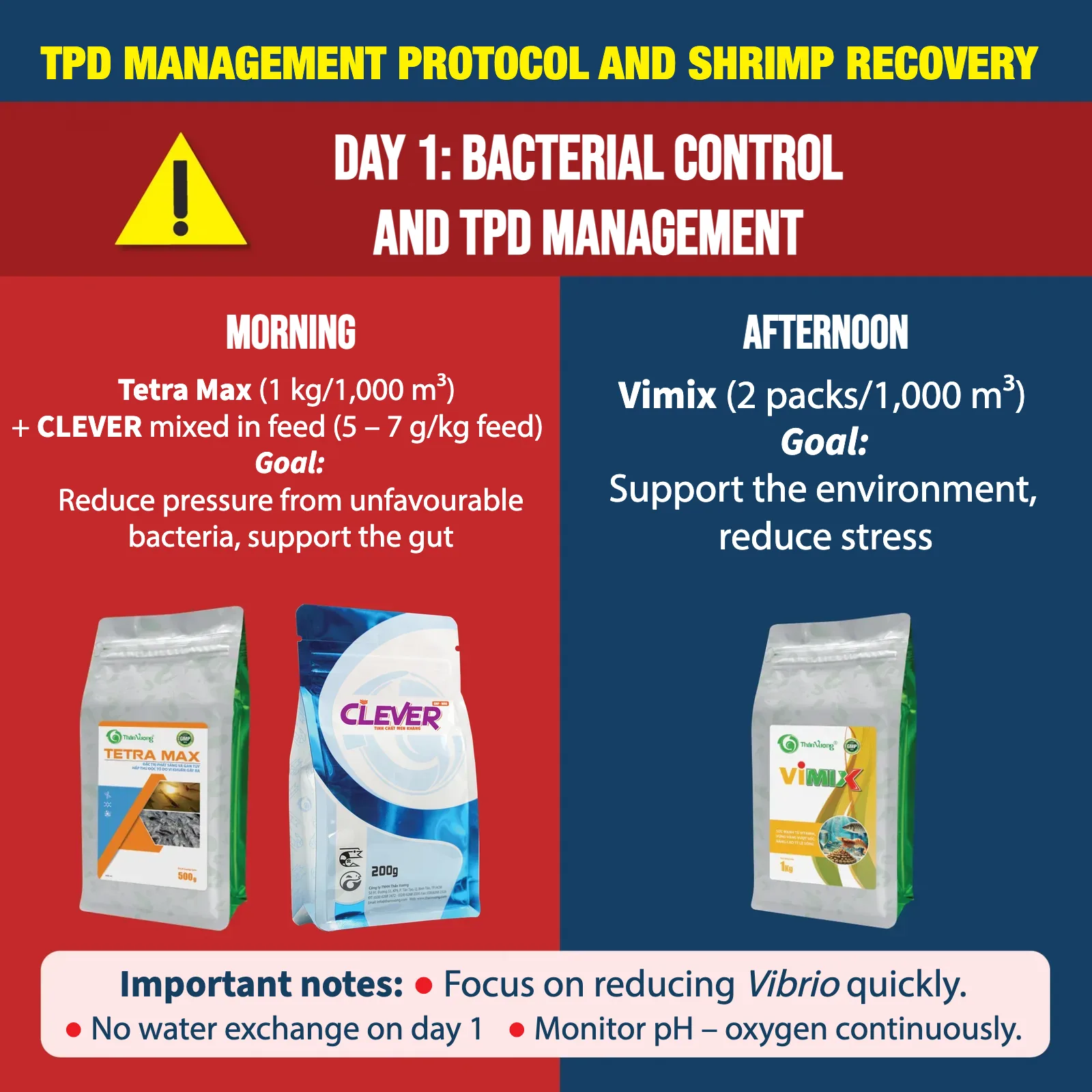
Shrimp feeding poorly and showing early signs of white feces are a warning of crop failure. Than Vuong shares a white feces management protocol for EHP and algae.
Practical guidance
Ensuring pond water quality plays a crucial role in the success of the culture cycle, alongside the use of disease-free seedstock. A balanced pond water ecosystem will help farmed shrimp grow healthily, reduce the risk of disease outbreaks, and optimize productivity. Below is an analysis of important factors and water quality control solutions to protect the pond.
Research insight
Currently, water quality management in shrimp ponds is one of the primary concerns for shrimp farmers, as inadequate water quality is a major cause of shrimp diseases, slow growth, feed refusal, and mortality.
Technical article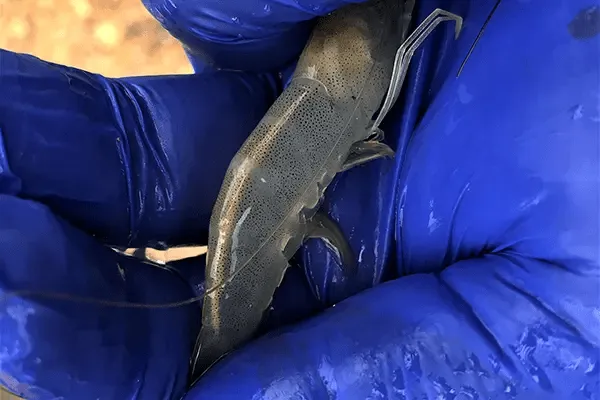
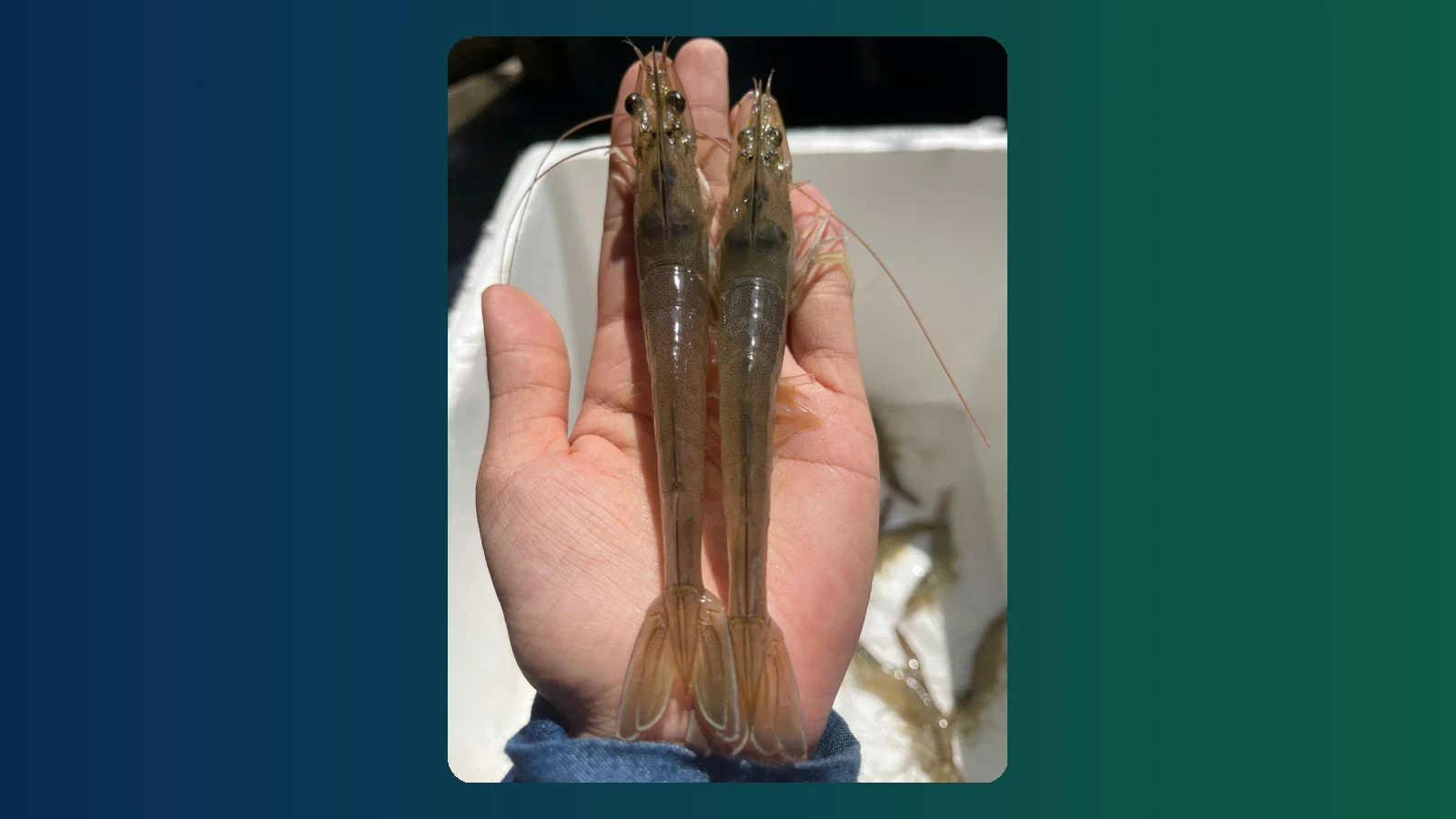
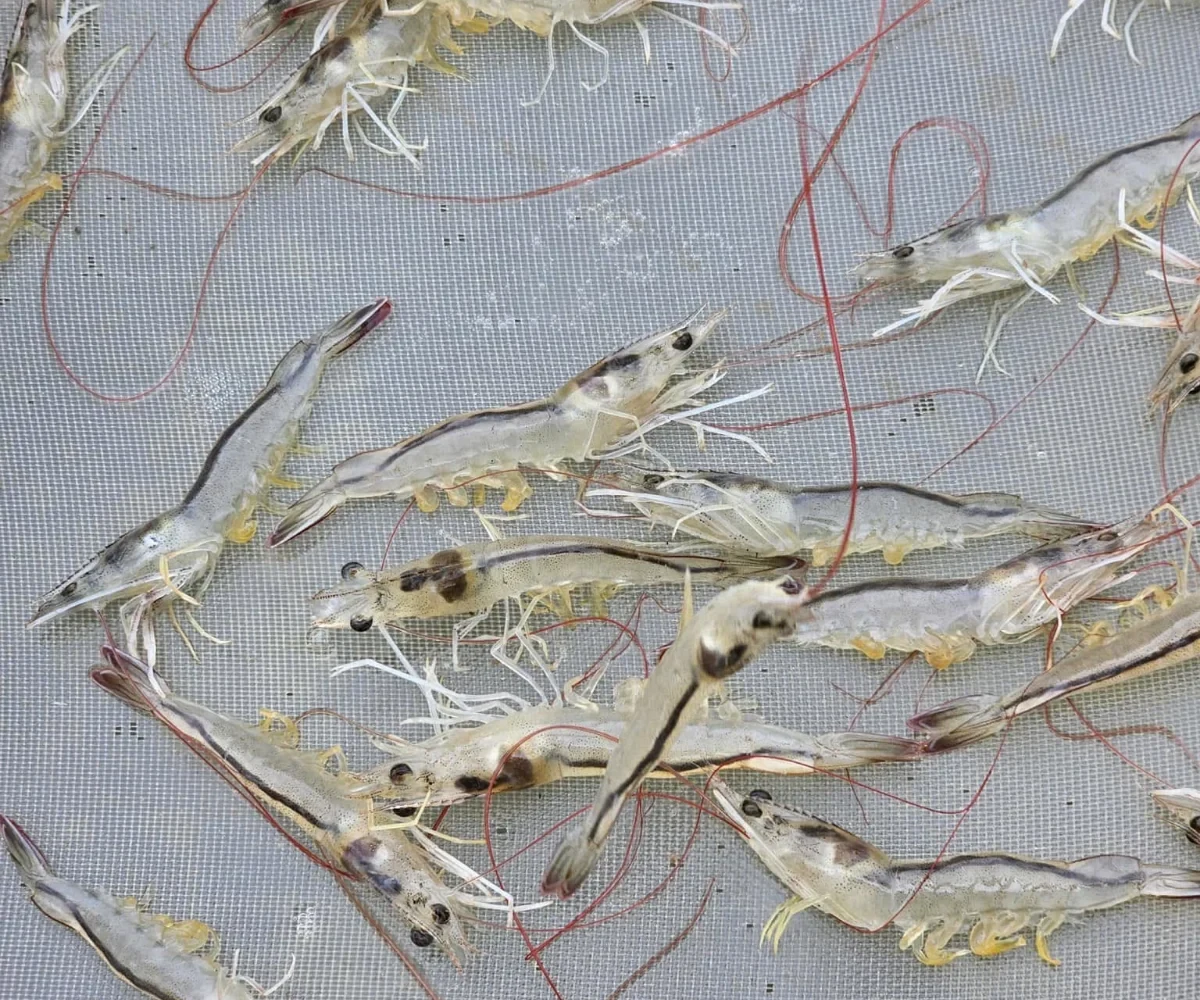
EHP causes lesions in the hepatopancreatic tubule epithelial cells (HP), and its main clinical signs are slow growth leading to increased size variation. White fecal strings floating on the pond water surface and the presence of shrimp with white coloration in the gastrointestinal tract (GI tract) in these ponds are also associated with EHP. In the advanced stage of the disease, EHP-infected shrimp often exhibit soft shells, lethargy, reduced feed intake, an empty midgut, and chronic mortality.
Technical article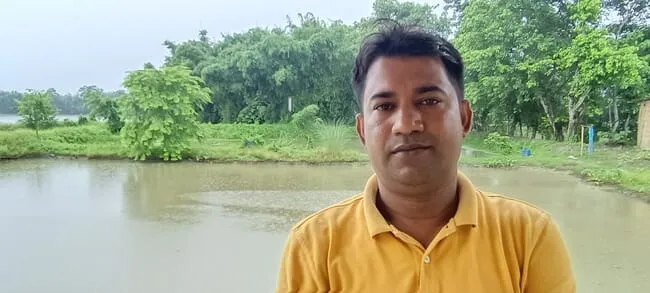
Scientists in India have developed a genetically improved (GI) giant river prawn strain (Macrobrachium rosenbergii) with novel disease resistance, helping to create new income sources for aquaculture farmers in Assam.
Research insight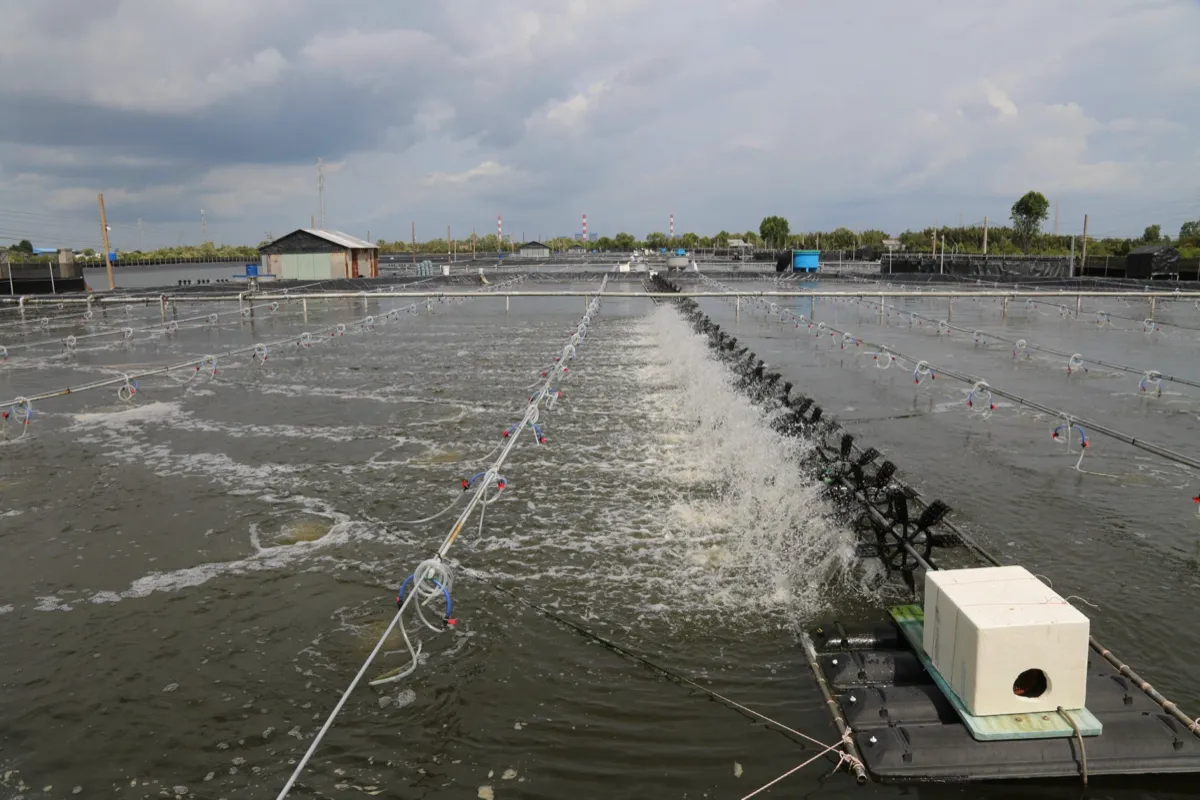
Water quality is one of the decisive factors for the success of a farming season, especially now that whiteleg shrimp are farmed using high-density super-intensive models, making the risks of disease, controlling water quality, and increasing the carrying capacity of the pond environment more challenging.
Technical articlePond water turns to undesirable algae such as blue-green algae, Euglena and dinoflagellates when nutrients build up: overfeeding, feces that are hard to siphon, weak pond microbes and source water carrying toxic algae that bloom once pumped in.
Technical article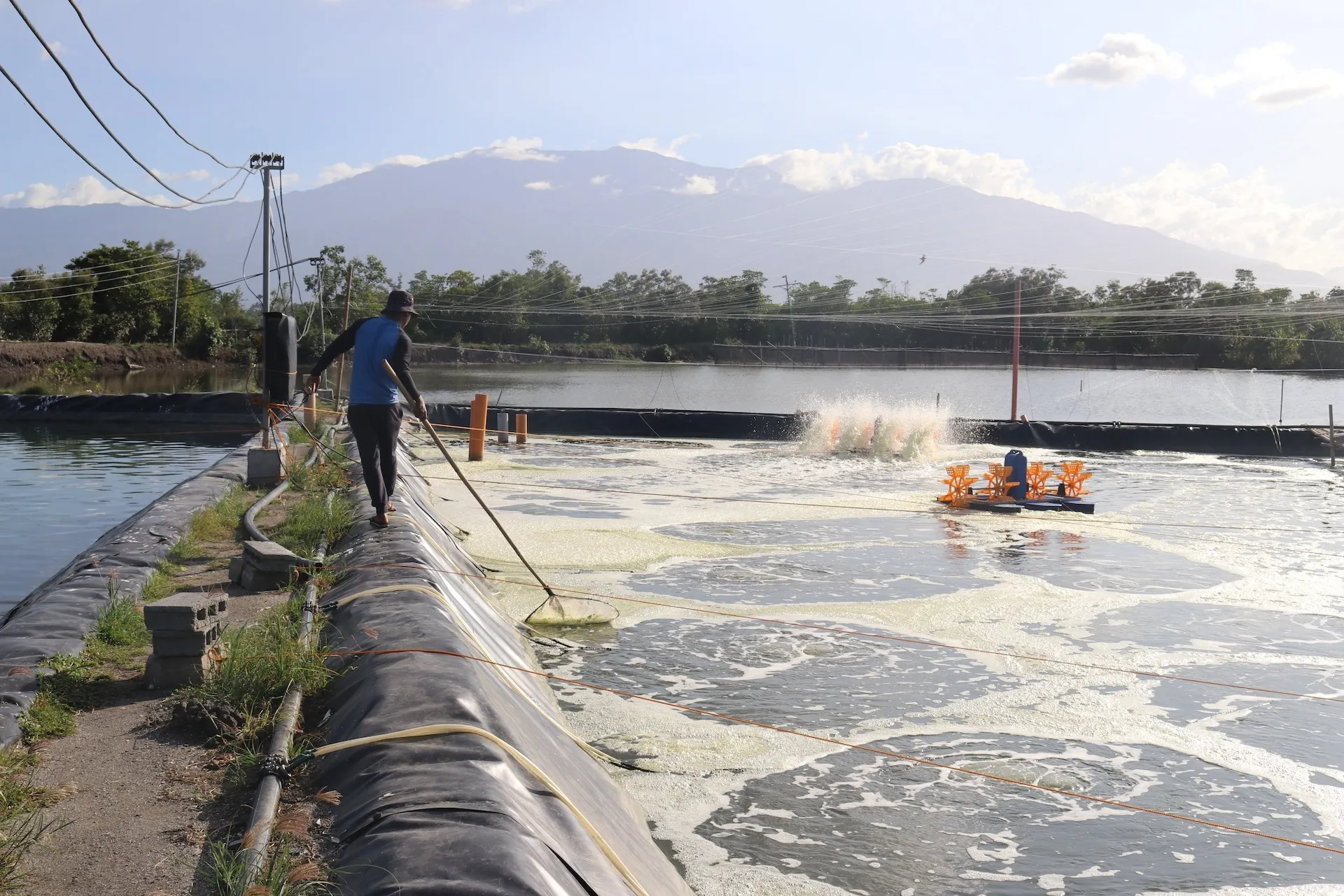
In intensive shrimp farming, oxygen consumption is a critical indicator significantly affecting the physiological status of farmed shrimp. This is the result of a study aimed at flexibly determining the oxygen consumption level of shrimp in intensive farming, as well as water quality variables and shrimp growth rate, based on a Dynamic Modeling System.
Research insight
Nitrite is both toxic and present in all closed aquaculture systems, so it is essential for aquaculture farmers to understand where it comes from and how to manage it.
Technical articleCompare water readings and estimate mineral supplementation.
02Cross-check samples, feeding and biomass within the same period.
03Explore feeding references by stage and adjust to pond observations.
04Track feed, costs and crop results. Vietnamese-language app.
Have your water readings, days of culture and feeding observations ready for a more specific discussion.
Aquaculture technical assistant