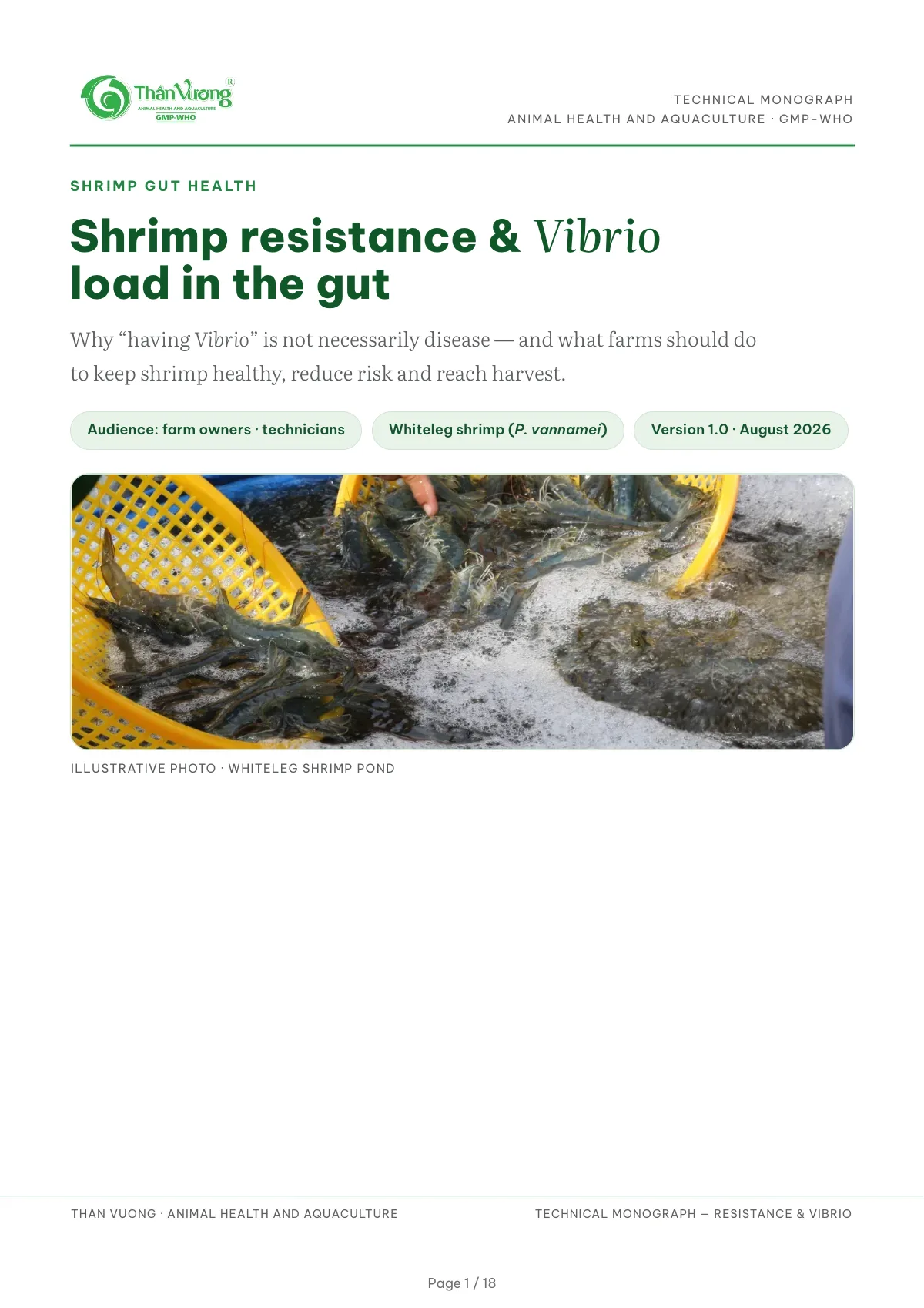
Shrimp resistance & Vibrio load in the gut
Why “Vibrio present” does not always mean disease — and what a farm should do to keep shrimp healthy and finish the crop. An 18-page technical monograph.
Read article

Research, practical guidance and knowledge for every stage of your production cycle.
Why “Vibrio present” does not always mean disease — and what a farm should do to keep shrimp healthy and finish the crop. An 18-page technical monograph.
Read article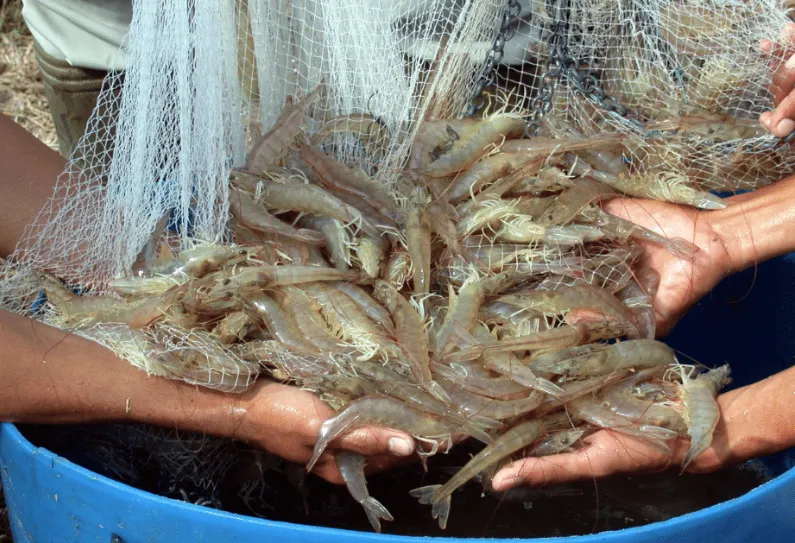
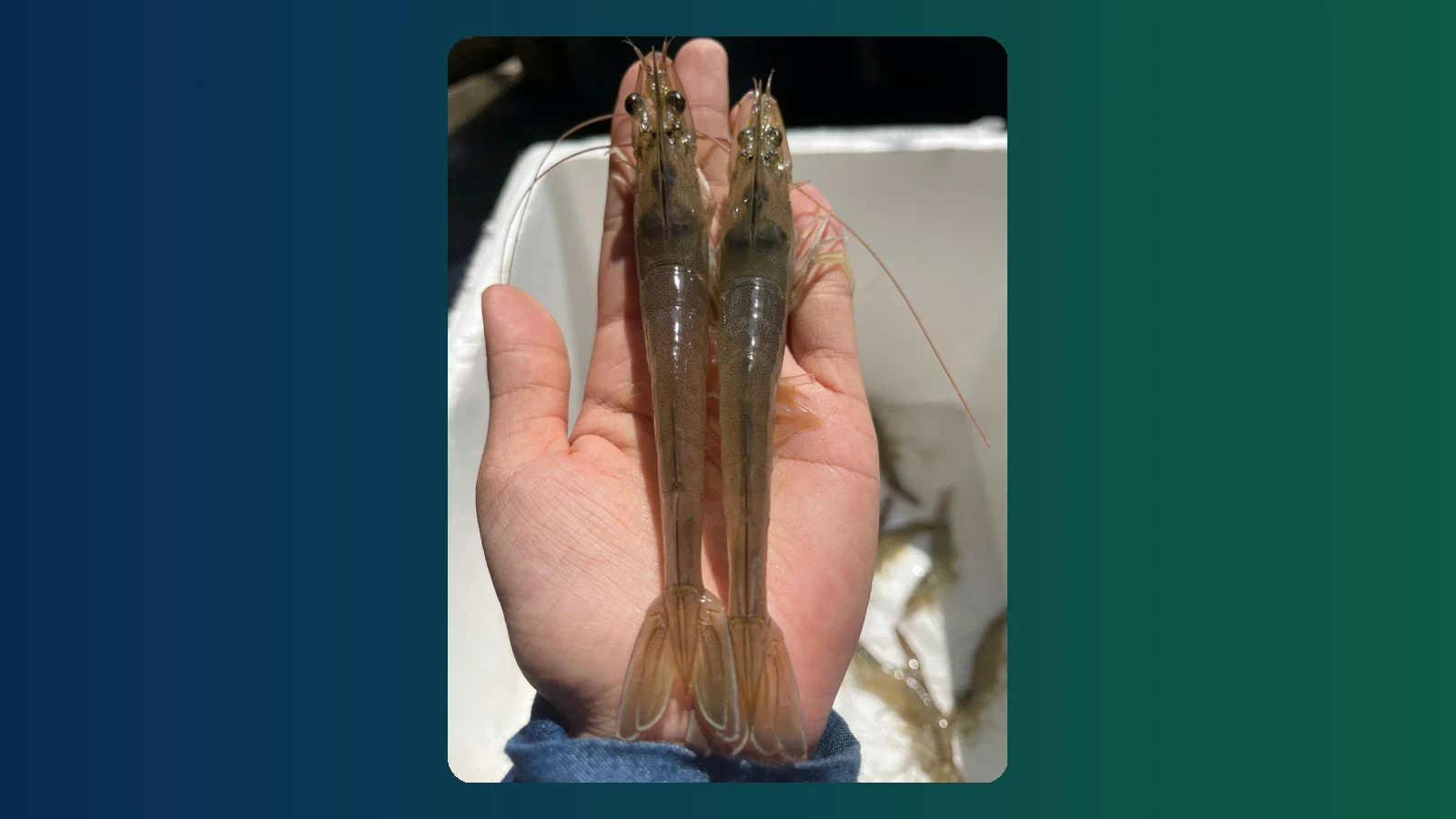
Choose a concern to explore checks and practical guidance.
245 articles in the full library
89 matching articles / 245
A review of 2021–2026 research: in Chinese outbreaks the white strings were mostly EHP spores; in Indonesia and China some Vibrio species surge in white-feces guts; water at 28–36 °C raises the risk. In the laboratory, shrimp needed both EHP and Vibrio to produce white feces.
Research & trialsA Ningbo University (China) team looked for what healthy shrimp guts have and white-feces guts lack, then fed it back for 14 days before challenge. Four beneficial strains cut deaths from 30.4% to 5.2% (2024); pyruvic acid and glutamine cut them from 45.2% to 12.7% (2026). Results from 50-litre tanks with a Vibrio challenge; no pond trial yet.
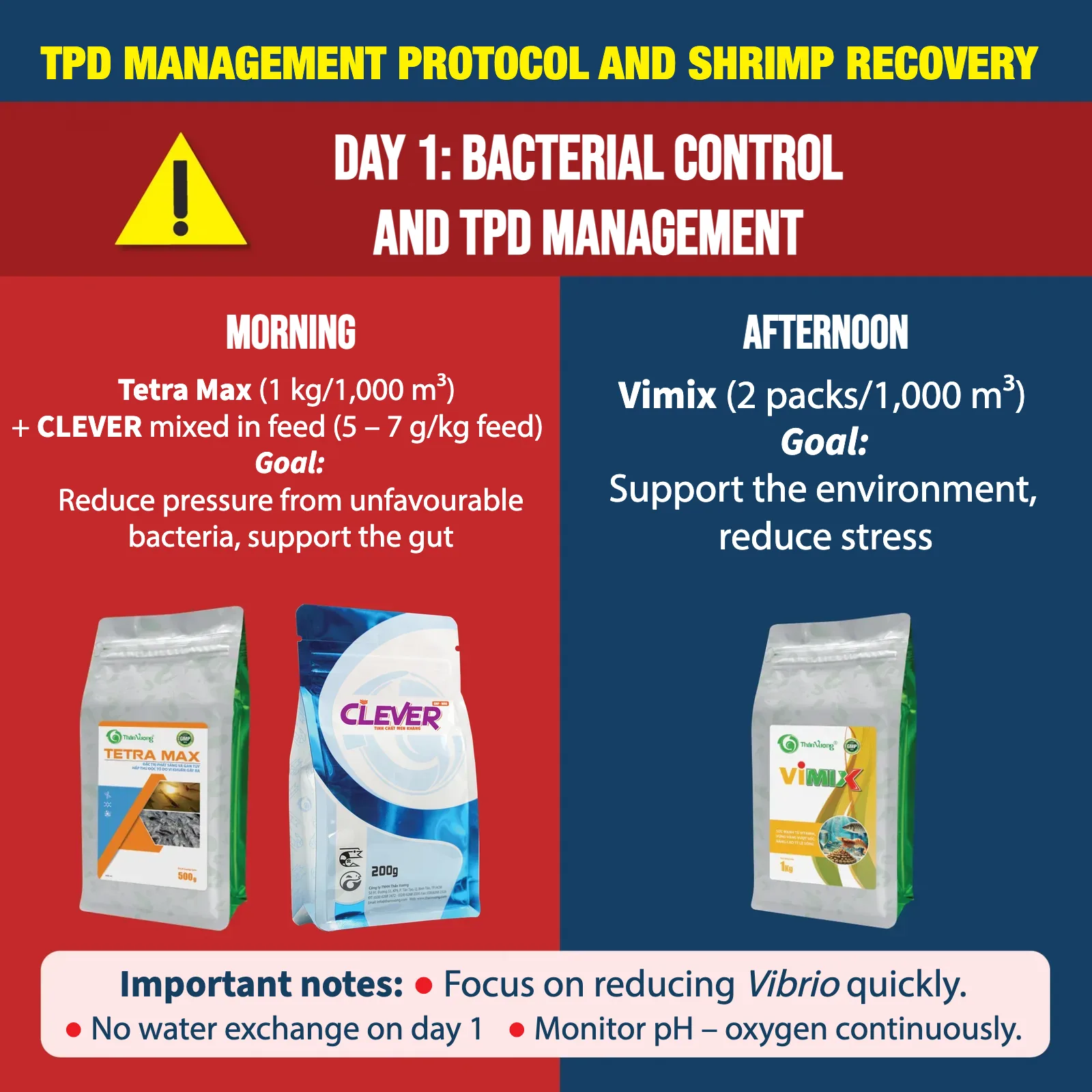
Research & trialsA review of 2013–2026 research: EMS (AHPND) is caused by the PirA–PirB toxin pair, TPD by the VHVP-2 protein. The toxin genes sit on plasmids that move between Vibrio species, so a TCBS Vibrio count cannot tell you whether a toxic strain is present.
Technical article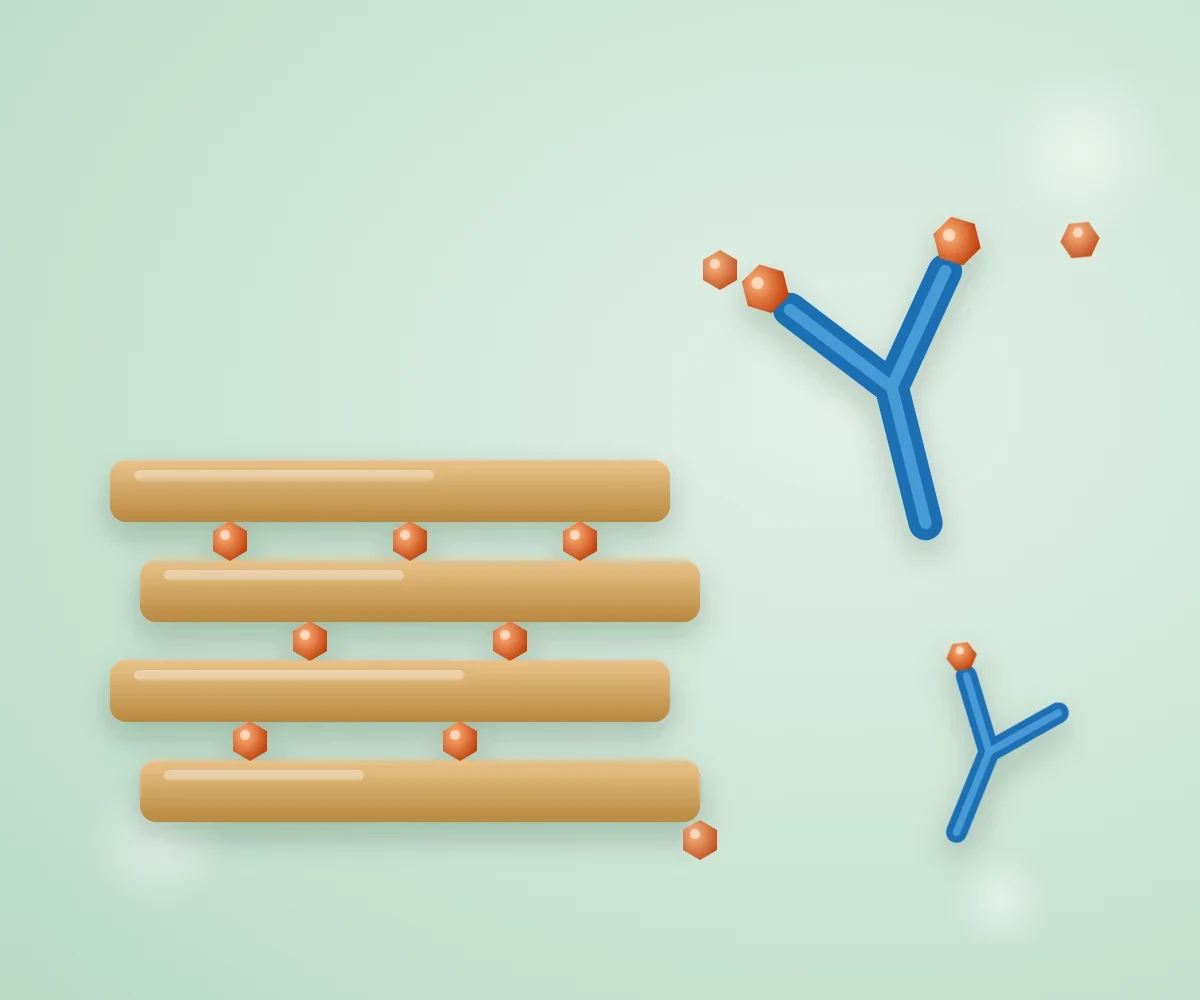
A review of 2019–2026 research: montmorillonite clay at 2.5–5 g/kg feed raised whiteleg shrimp survival to 83–94% versus 40% after an AHPND challenge; antibodies in feed protected shrimp in lab tanks; for TPD there are only small-flask anti-virulence trials. All were used before infection, and there is no pond dose yet.
Research & trials
A summary of three 2026 scientific reviews: shrimp larvae need stage-specific nutrition, yeast must be the right form at the right dose, and tilapia disease prevention starts with daily management.
Research & trialsWhy “Vibrio present” does not always mean disease — and what a farm should do to keep shrimp healthy and finish the crop. An 18-page technical monograph.
Technical articleGlobal warming alters the gut microbiota of Pacific whiteleg shrimp by restructuring enterotypes, increasing the risk of diseases such as White Feces Syndrome (WFS) and hepatopancreatic necrosis syndrome. This study identifies temperature as the primary driver of microbial structure and proposes "enterotypes" as a key ecological indicator for predicting the health of poikilothermic animals in the context of climate change.
Research & trials
In modern shrimp farming, there's a rather "painful" reality that many farmers still haven't accepted: Risk mitigation doesn't lie in a single specific medicine bottle, but in the capacity for system management. When disease outbreaks occur, we often frantically search for a new chemical or antibiotic. But according to the philosophy "Good management is a priority", success doesn't come from troubleshooting incidents, but from establishing 5 robust protective barriers.
Practical guidance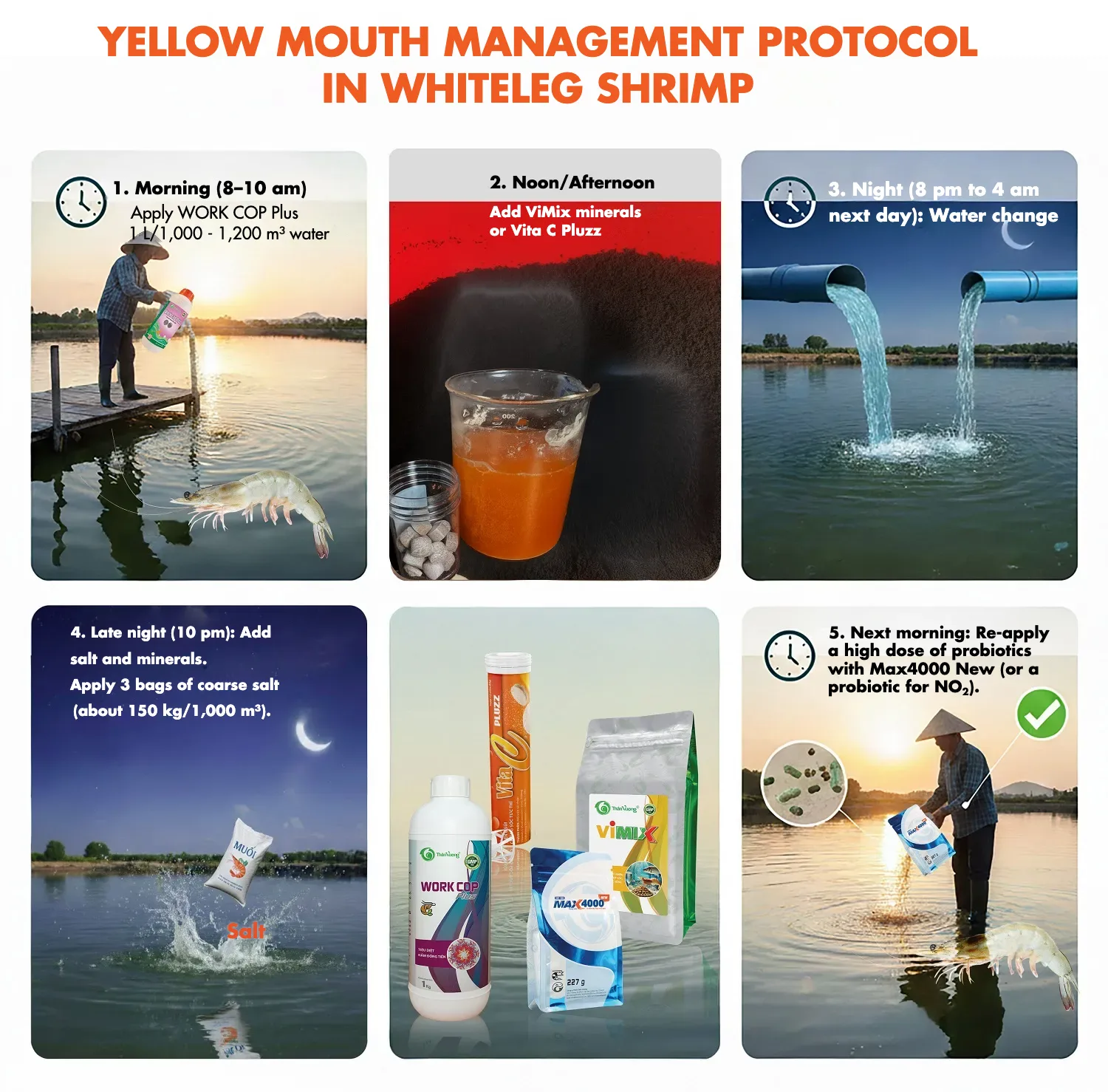
Yellow mouth disease (often accompanied by yellow gills) is an indication that the pond environment is at low salinity (5ppt) or experiencing a fungal bloom. Below is the optimal treatment process.
Practical guidanceEHP is a specialized intracellular parasite, primarily parasitizing the hepatopancreas of shrimp, causing severe growth retardation. In this study, Penaeus vannamei shrimp were infected with EHP through artificial challenge experiments, and the differentially expressed genes and biological pathways in the hepatopancreas between EHP-infected and healthy shrimp were analyzed using transcriptome sequencing.
Research insightIn shrimp farming (especially whiteleg shrimp Litopenaeus vannamei), black spots or black streaks in the hepatopancreas often cause farmers concern. However, this is not merely a pathological symptom but primarily a natural immune response of shrimp to combat harmful agents such as bacteria, viruses, fungi, or inflammation.
Research insightCompare water readings and estimate mineral supplementation.
02Cross-check samples, feeding and biomass within the same period.
03Explore feeding references by stage and adjust to pond observations.
04Track feed, costs and crop results. Vietnamese-language app.
Have your water readings, days of culture and feeding observations ready for a more specific discussion.
Aquaculture technical assistant