
Babylon snail farming
Professional babylon snail farming
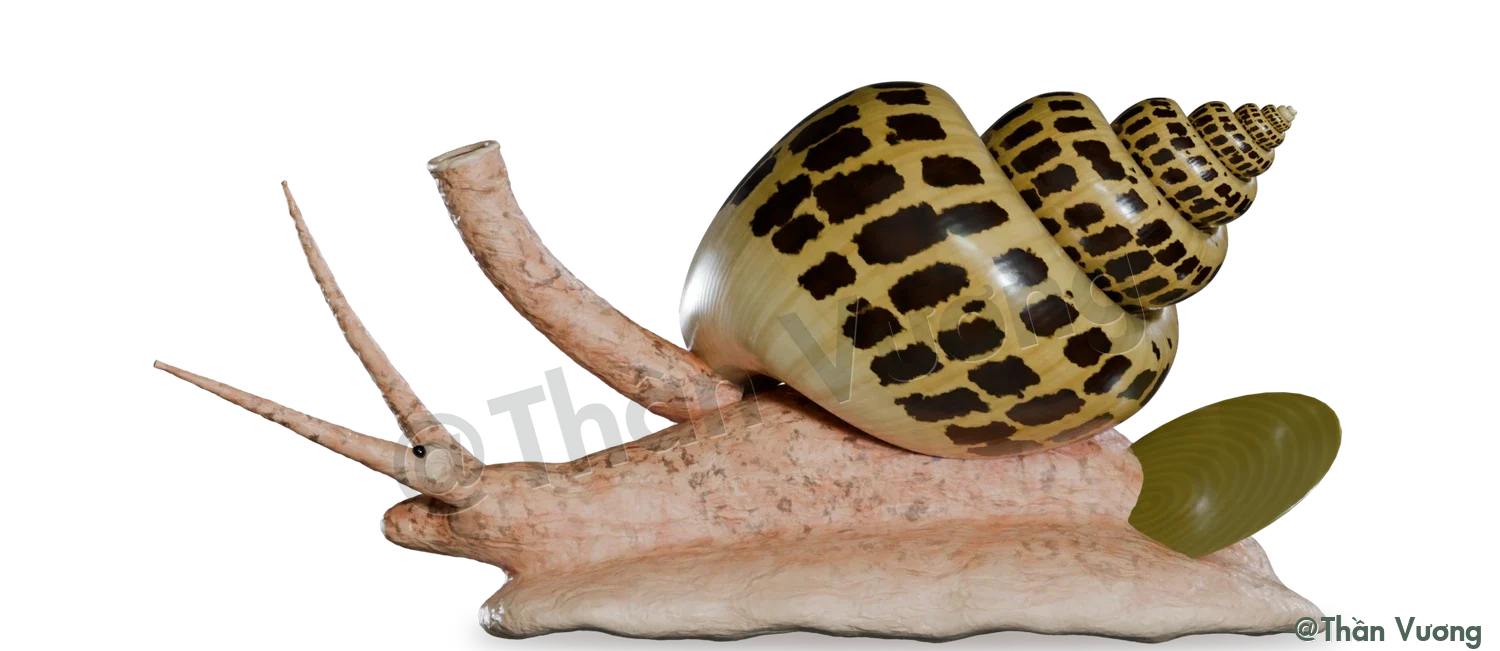
The babylon snail (Babylonia areolata) is a carnivore that lives buried in sand. A good crop comes from clean sand, the right amount of feed, sensible density and records kept every day.
One crop, start to finish
Prepare the pond or tank
Clean out, lay fresh sand, fit edge nets, filter the water.
Stock the seed
Even-sized seed, gradual acclimation, cool hours, moderate density.
Daily care
Feed the right amount, remove leftovers, watch the snails.
Look after water and sand
Test the water, exchange regularly, keep the sand from turning black.
Sample and harvest
Sample regularly, work out survival and FCR, harvest thoroughly.
Technical guides
Snail anatomy
The shell, body and internal organs, and what each part does.
Open →Sustainable farm design
Farm layout, sizes, density by stage, thinning.
Open →Preparation & stocking
Choosing a system, pond preparation, sand, seed and stocking.
Open →Daily care
Feed by month, removing leftovers, the sand and water routine.
Open →Water & sand
Water targets, the sand bed, toxic gases and bad-weather days.
Open →Active disease prevention
Five things to do from day one, and when to call a technician.
Open →Crop management
Crop planning, pond records, sampling, FCR, harvest.
Open →Products for snails
Products for snails, by purpose.
Open →Frequently asked questions
What salinity, pH and temperature suit babylon snails?
Trials on juveniles gave better growth and survival at 20–30 ppt, with gill damage from 35 ppt upward. The best temperature is 26–30 °C and pH 7.5–8.5. Extension guides usually quote 25–35 ppt.
What stocking density should I use?
Hà Tĩnh's agricultural authority advises about 50–100 snails/m². A Thai earthen-pond trial recommends no more than 300/m², because growth dropped clearly from 400/m². In the 2024 die-off at Cẩm Xuyên, density was tens of times the advised level.
How much should I feed each day?
With fresh feed, extension guides give 15–20% of snail weight in month one, falling to 5–7% from month four. With pellets, trials used about 0.8–2%. Adjust to what the snails actually finish.
How long until harvest?
Usually 5–7 months, at a market size of 90–150 snails/kg. It varies with the system and conditions, and can take longer.
Is a mass die-off always caused by disease?
No. In the 2024 die-off at Cẩm Xuyên, the authorities ruled out disease. The factors they named included very high density and little attention to salinity, pH and bottom cleaning. Check water, sand and density first.
What should I do about a swollen proboscis?
Extension guides say current treatments have not proved effective, so prevention comes first. When snails eat poorly and die here and there, remove sick snails at once and check the sand. If it is black and smells, move the snails to another pond, or exchange about 30–50% of the water and clean up. Call a technician to look at your case.
Want our technical team to look at your snail pond?
Send us your pond or tank details and water readings. Our technical team will work out a care schedule with you for each stage.