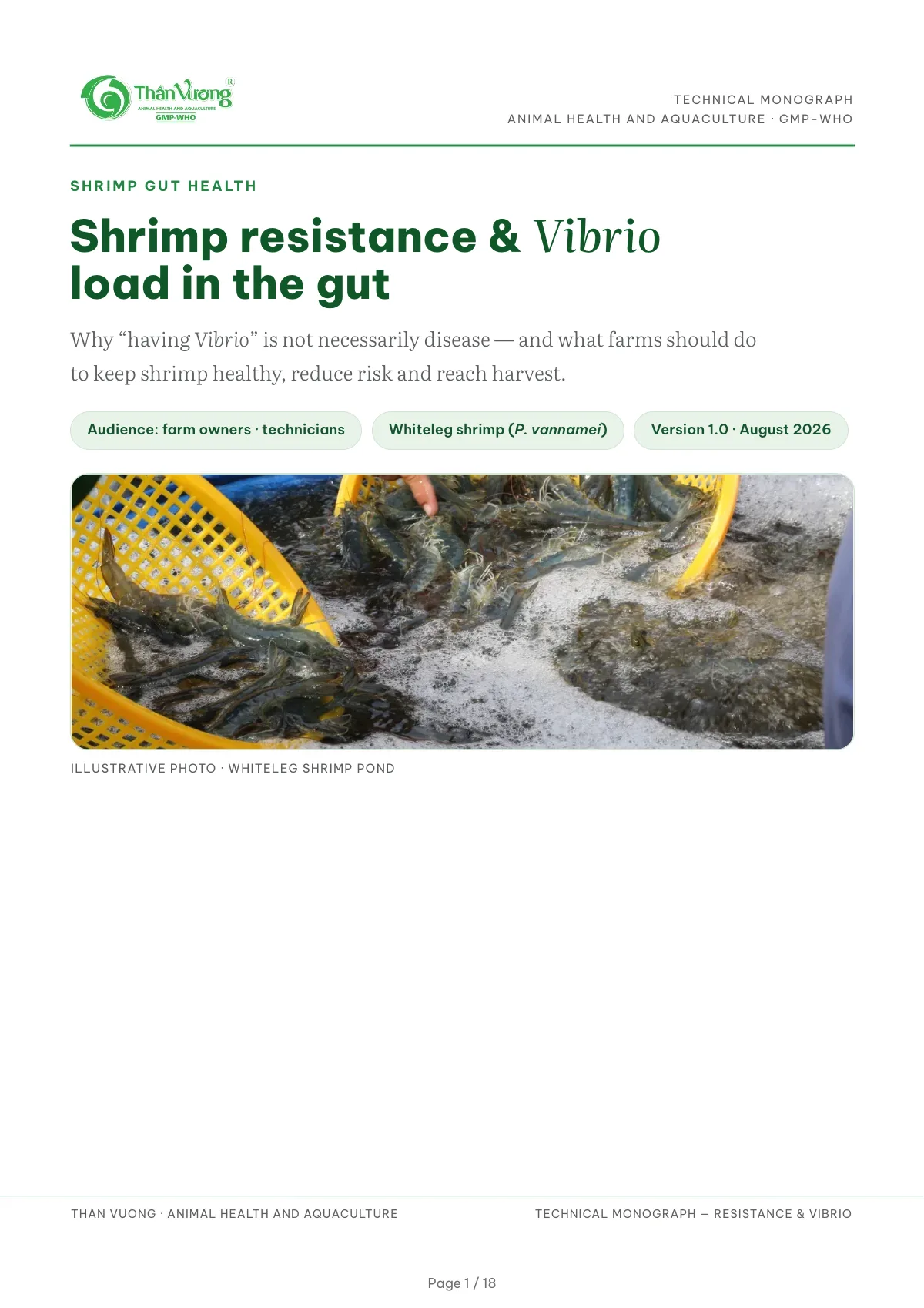
Shrimp resistance & Vibrio load in the gut
Why “Vibrio present” does not always mean disease — and what a farm should do to keep shrimp healthy and finish the crop. An 18-page technical monograph.
Read article

Research, practical guidance and knowledge for every stage of your production cycle.
Why “Vibrio present” does not always mean disease — and what a farm should do to keep shrimp healthy and finish the crop. An 18-page technical monograph.
Read article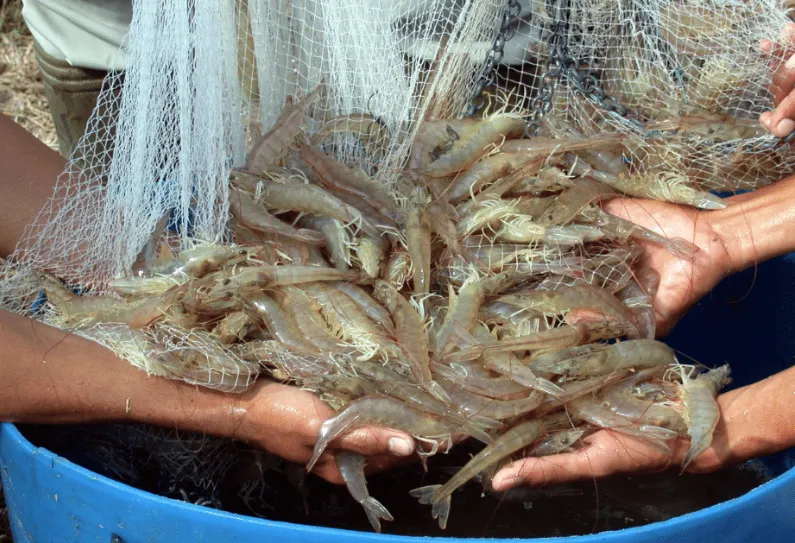
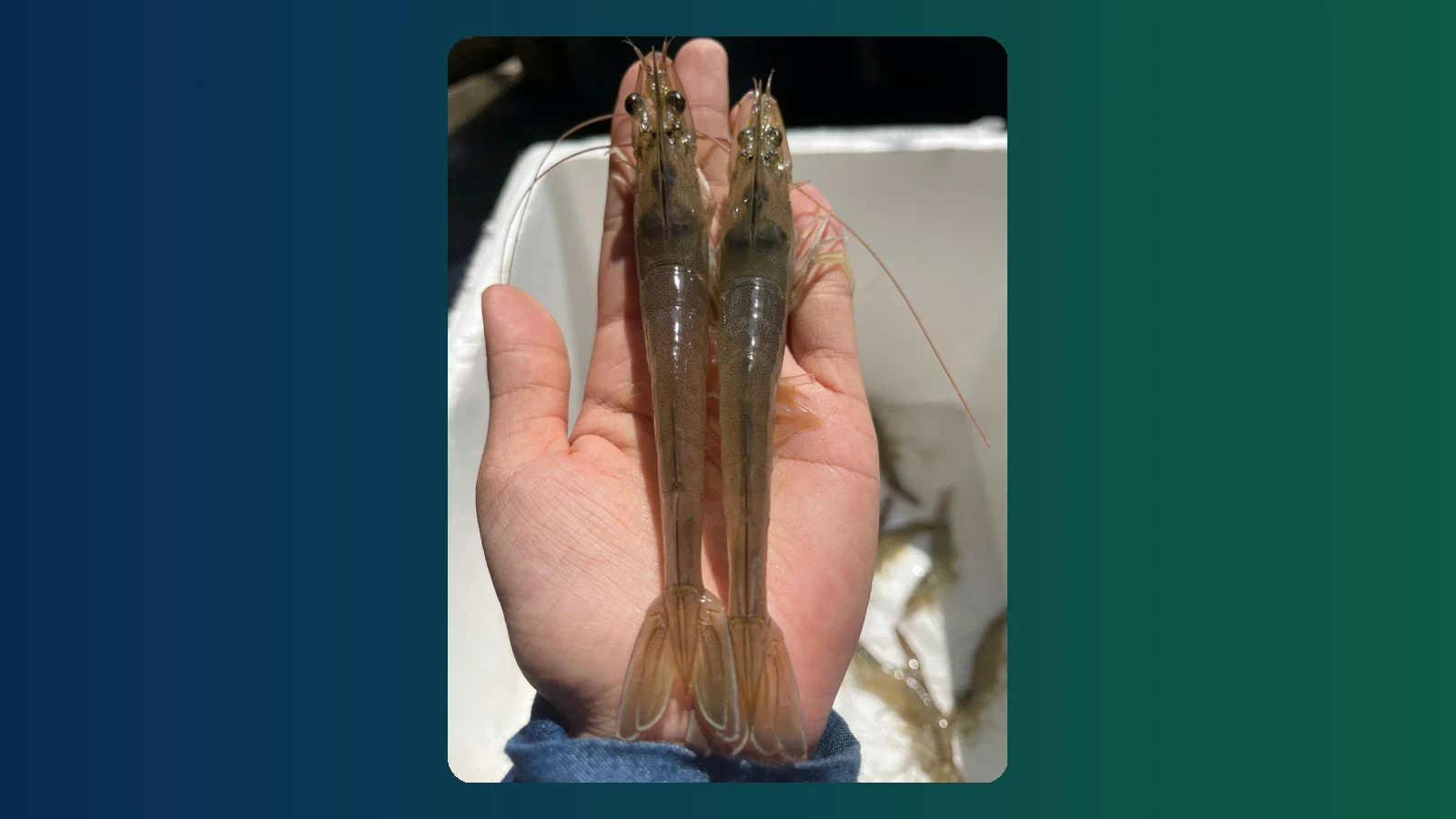
Choose a concern to explore checks and practical guidance.
245 articles in the full library
81 matching articles / 245
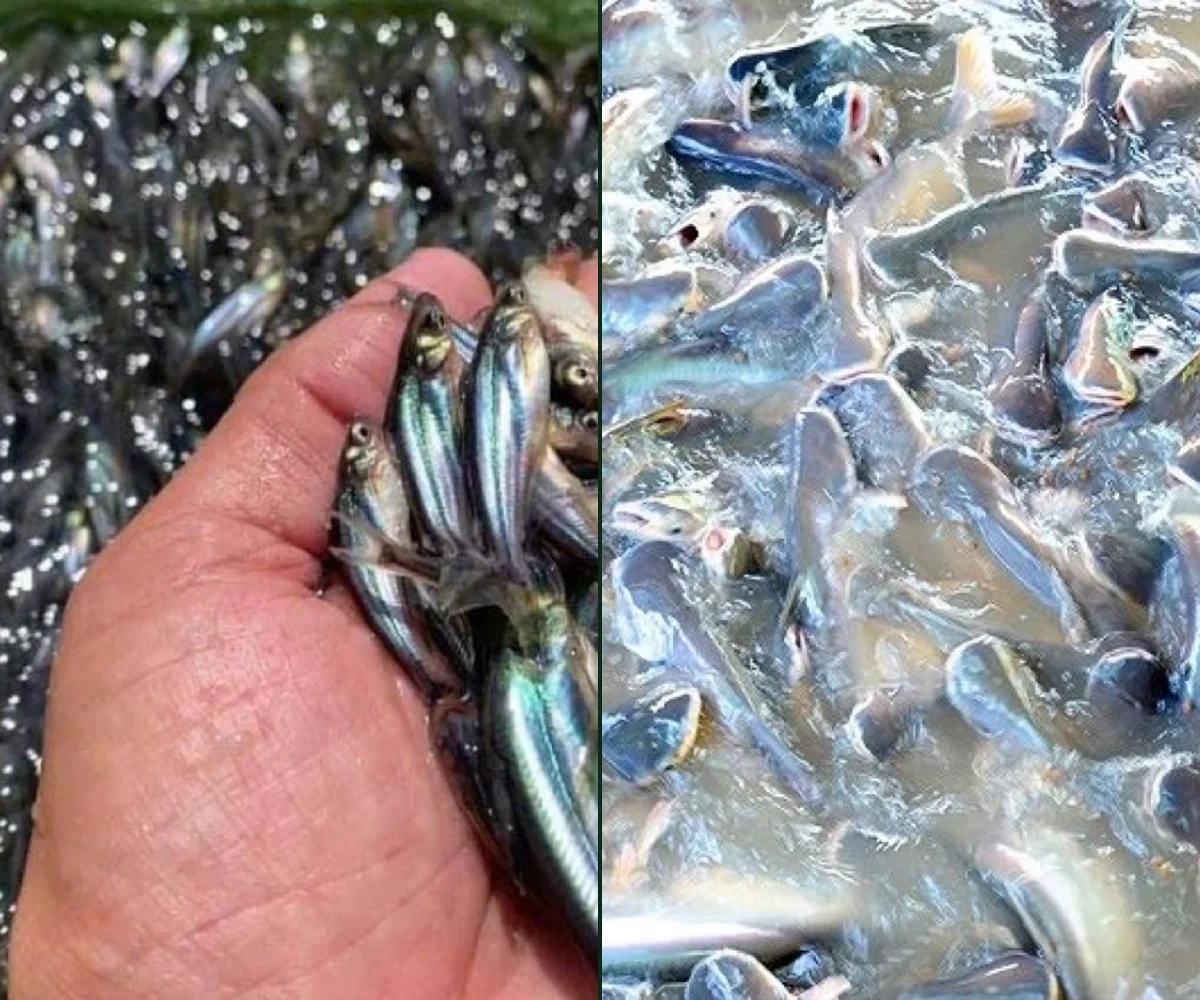
A trial published on 30 October 2026: adding 2 g/kg probiotic to feed containing a digestive enzyme cut FCR in 10 g catfish fingerlings from 1.60 to 1.33 over 90 days; higher doses did no better. In grow-out, 28% protein feed beat 32% on FCR, while 8% fat built up belly fat. Plus two trials on survival.
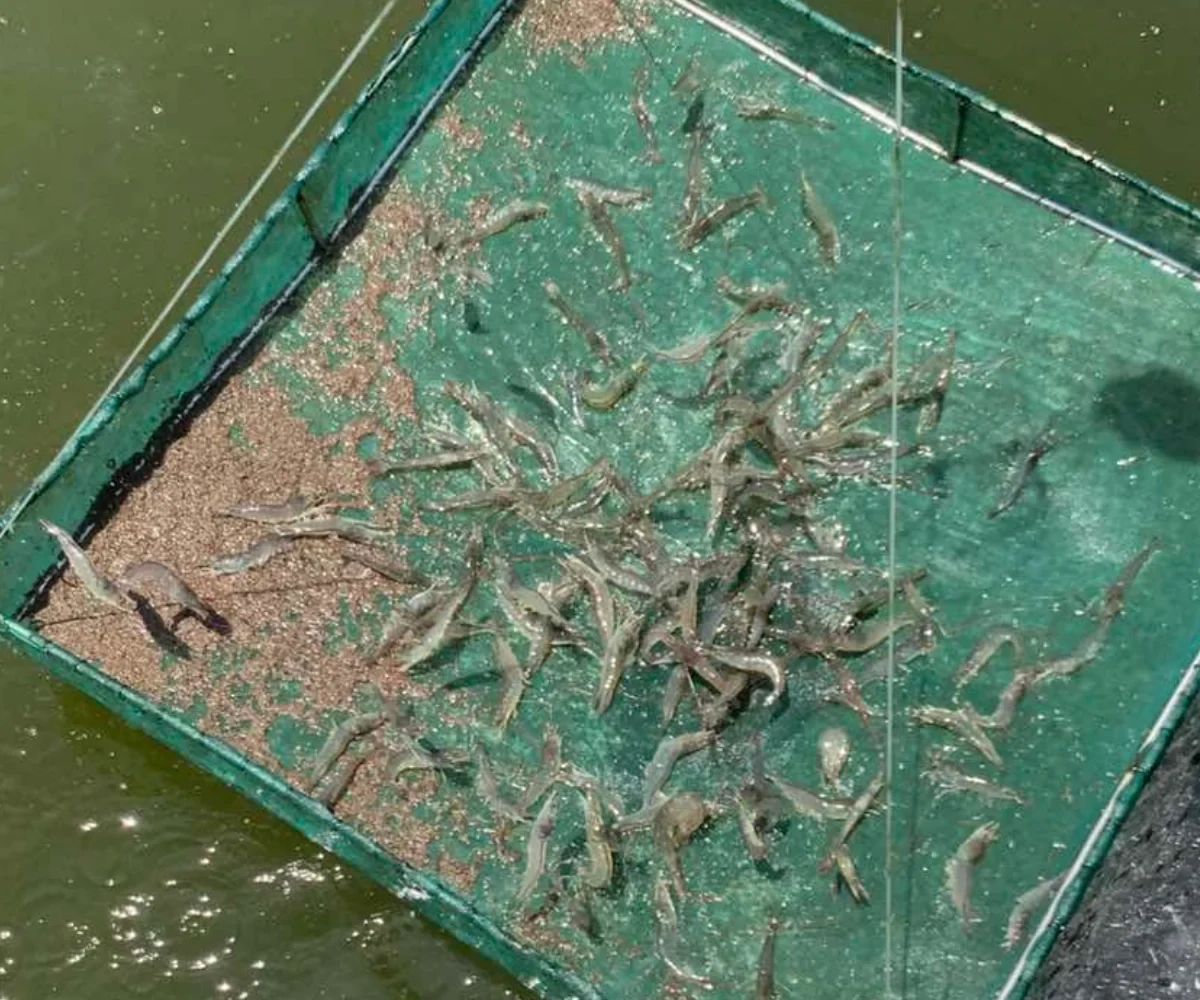
Research & trialsA Ningbo University (China) team looked for what healthy shrimp guts have and white-feces guts lack, then fed it back for 14 days before challenge. Four beneficial strains cut deaths from 30.4% to 5.2% (2024); pyruvic acid and glutamine cut them from 45.2% to 12.7% (2026). Results from 50-litre tanks with a Vibrio challenge; no pond trial yet.
Research & trials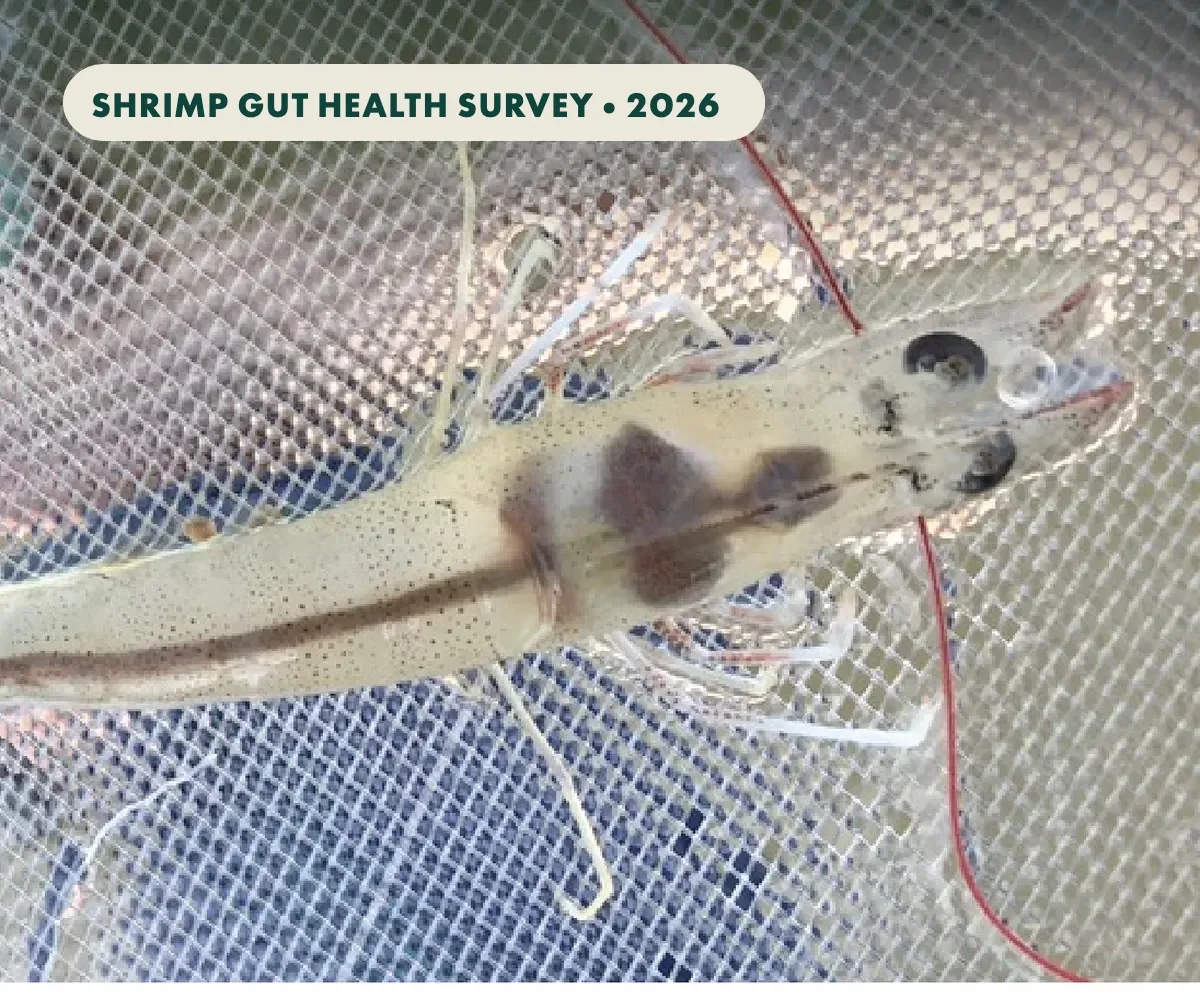
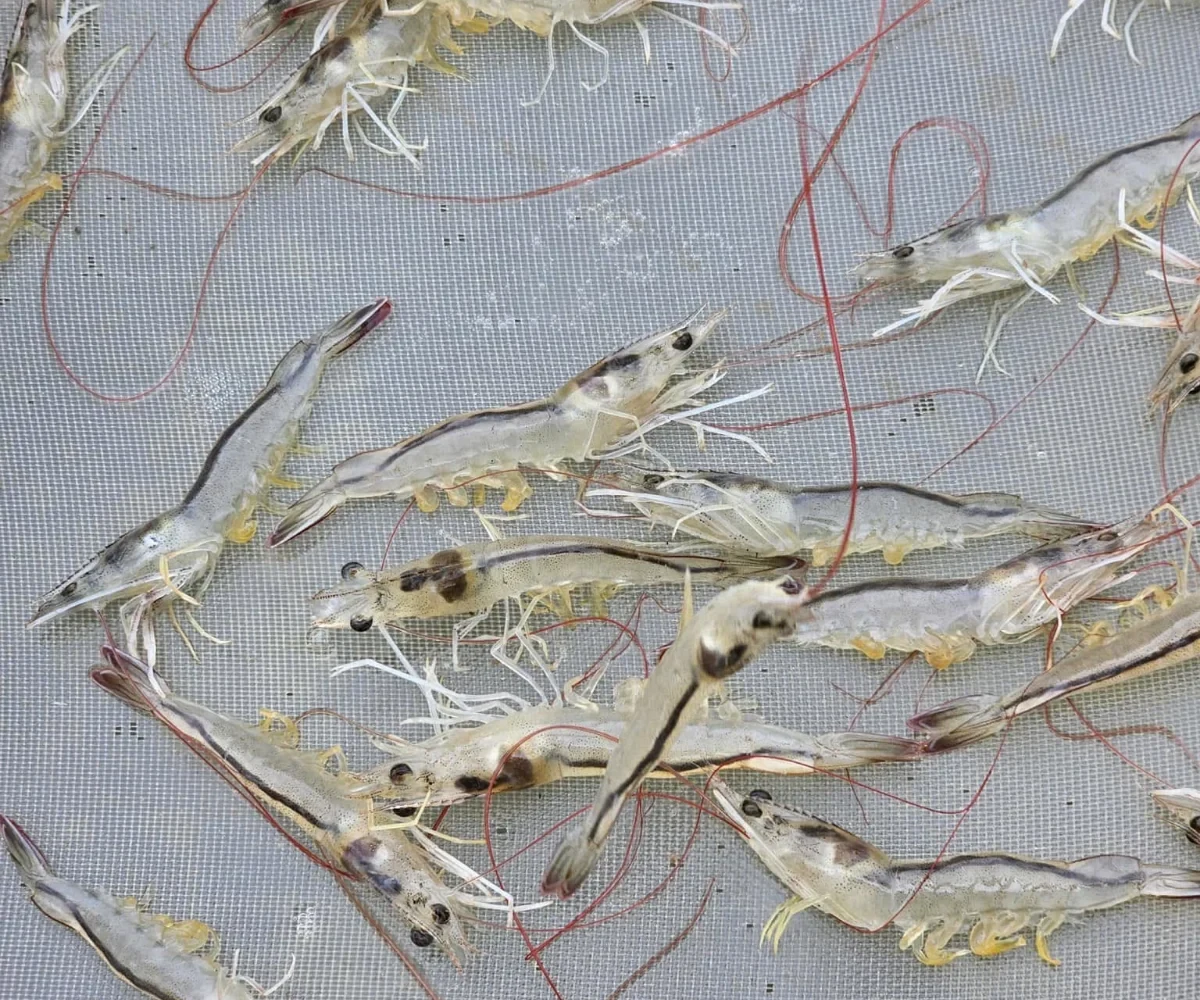
A survey of more than 110 shrimp farms in China, Vietnam, Thailand and Indonesia, with over 5,000 gut samples: 60% of shrimp had poor or critical gut health; those with good gut scores were about 20% heavier on day 60.
Research & trials
A summary of three 2026 scientific reviews: shrimp larvae need stage-specific nutrition, yeast must be the right form at the right dose, and tilapia disease prevention starts with daily management.
Research & trialsWhy “Vibrio present” does not always mean disease — and what a farm should do to keep shrimp healthy and finish the crop. An 18-page technical monograph.
Technical article
Full-year 2025 global shrimp trade summary: Ecuador leads exports at 1.39M MT (+15%), EU imports surge 21%, US tariff shifts reshape trade flows. Vietnam imports record 99K MT raw material for reprocessing.
Technical article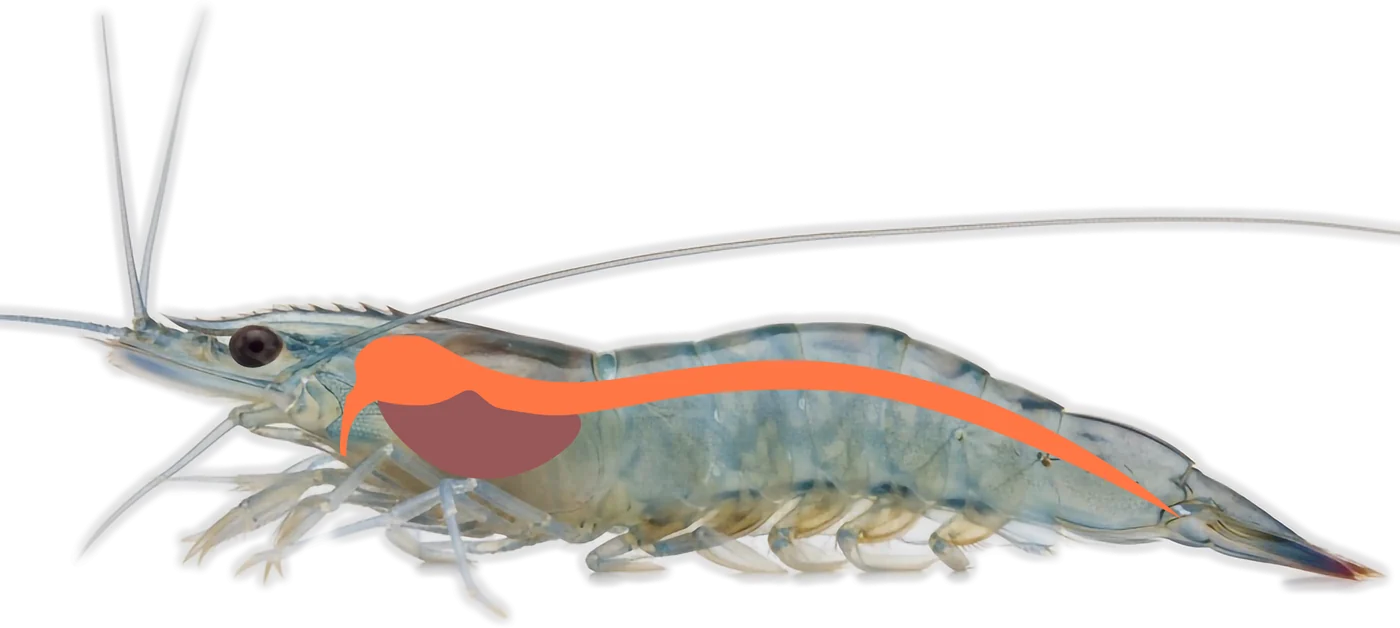
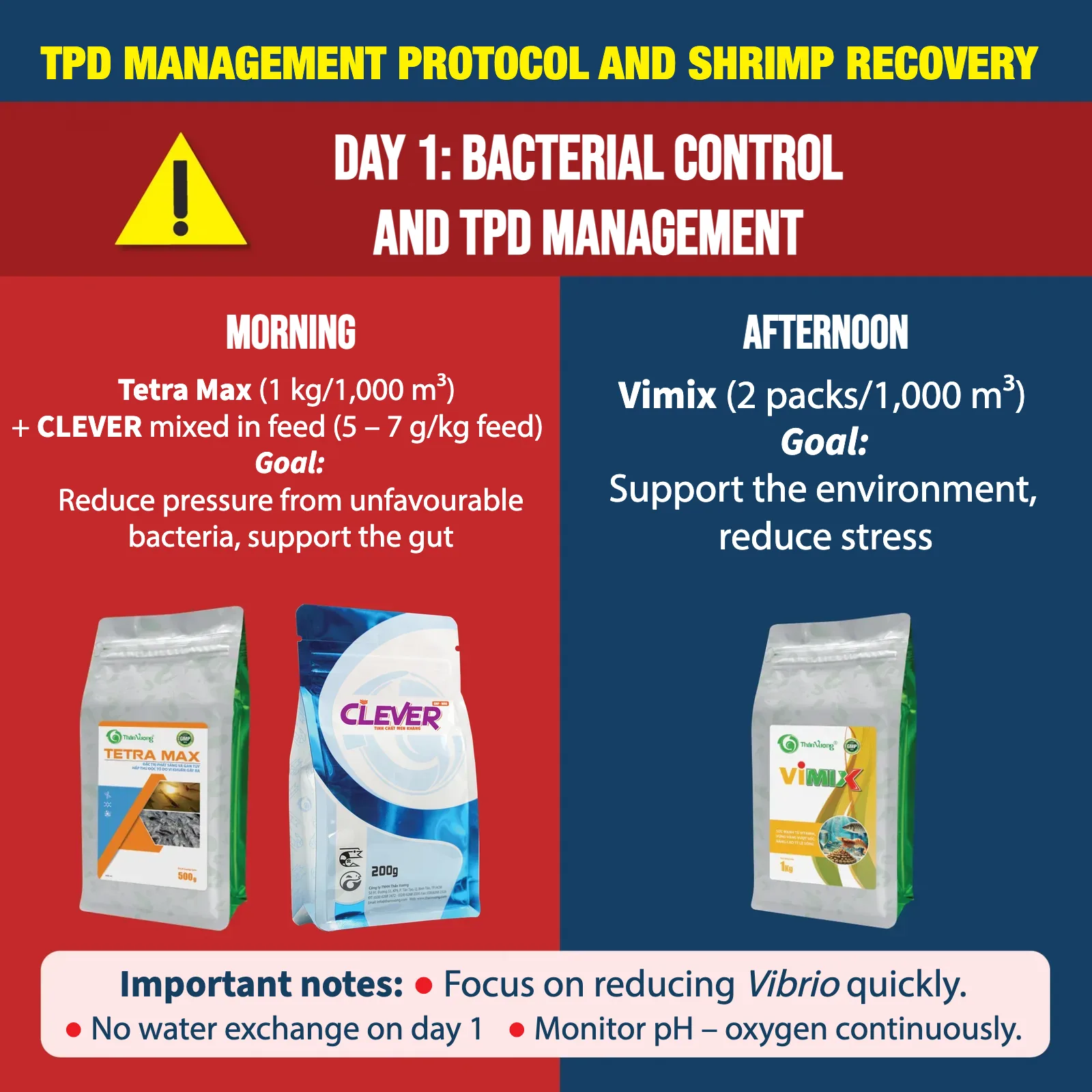
“The limitations of disinfectants in the field” by Dr. Stephen G. Newman highlights the limitations of using disinfectants (such as chlorine) in shrimp farming, especially concerning EMS/AHPNS (Acute Hepatopancreatic Necrosis Syndrome) and TPD (Transparent Post-larvae Disease).
Technical article
Many marine aquarium hobbyists or marine fish farmers have faced white spot disease in their aquariums or tanks at least once. This is a common disease, the most challenging to completely eradicate, and causes the most stress to marine fish.
Technical article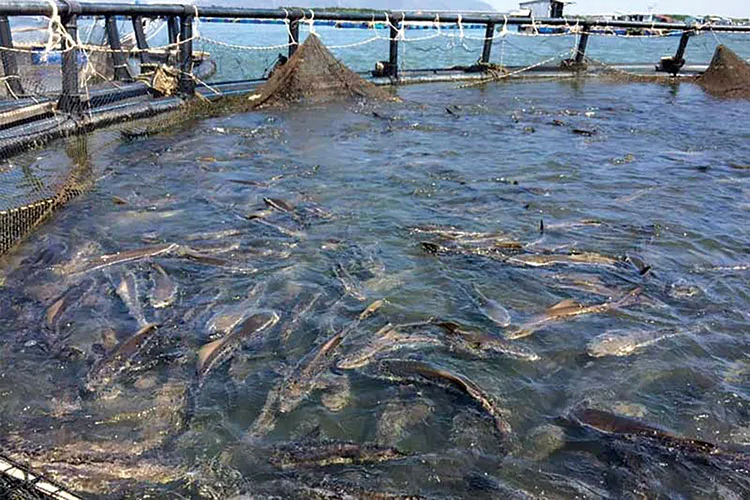
Besides the advantage of rapid growth, cobia also possesses high adaptability and good disease resistance, making it quite commonly farmed in many coastal provinces of our country. Among these, farming in HDPE cages stands out for its high efficiency.
Technical article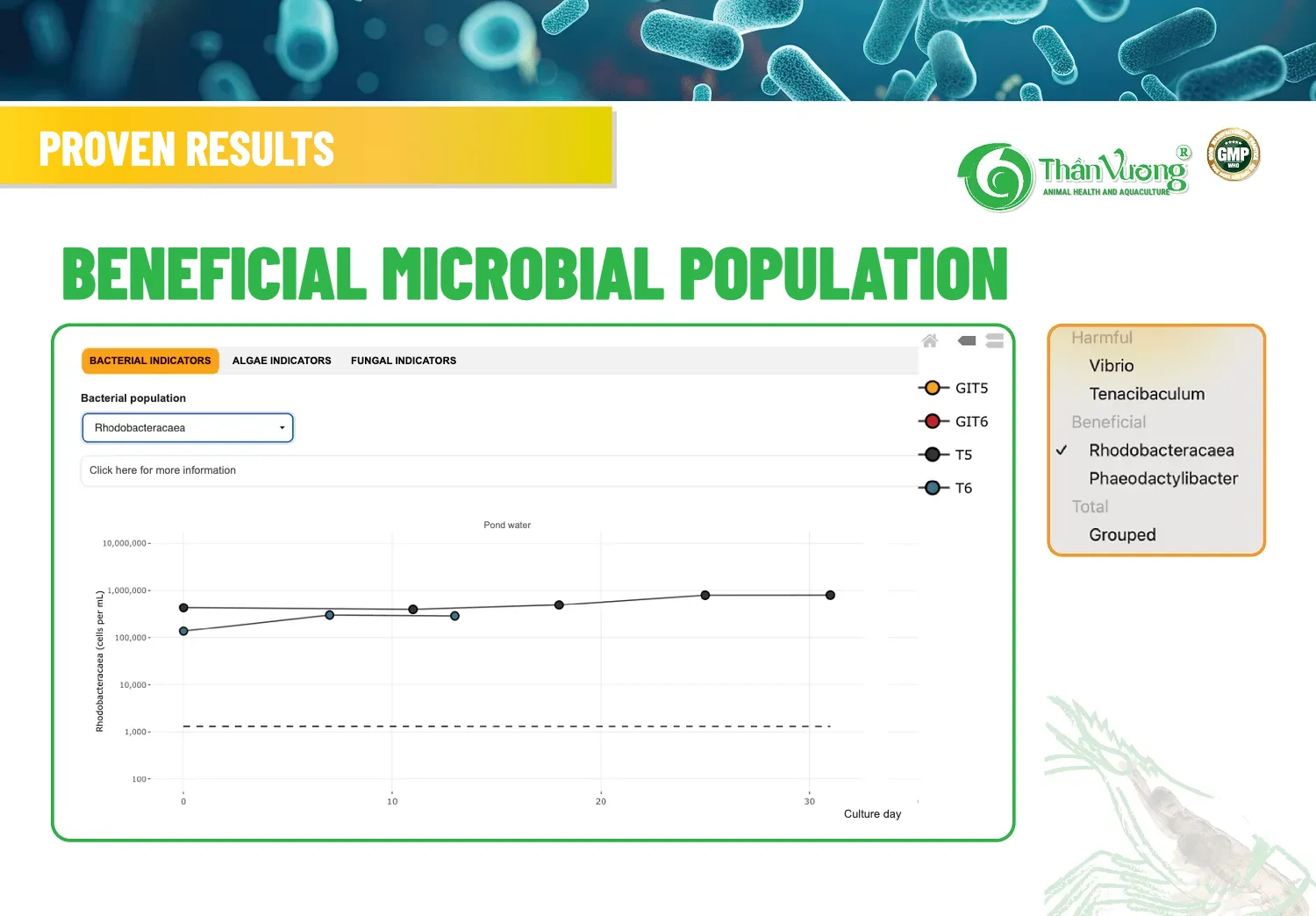
Ensuring pond water quality plays a crucial role in the success of the culture cycle, alongside the use of disease-free seedstock. A balanced pond water ecosystem will help farmed shrimp grow healthily, reduce the risk of disease outbreaks, and optimize productivity. Below is an analysis of important factors and water quality control solutions to protect the pond.
Research insight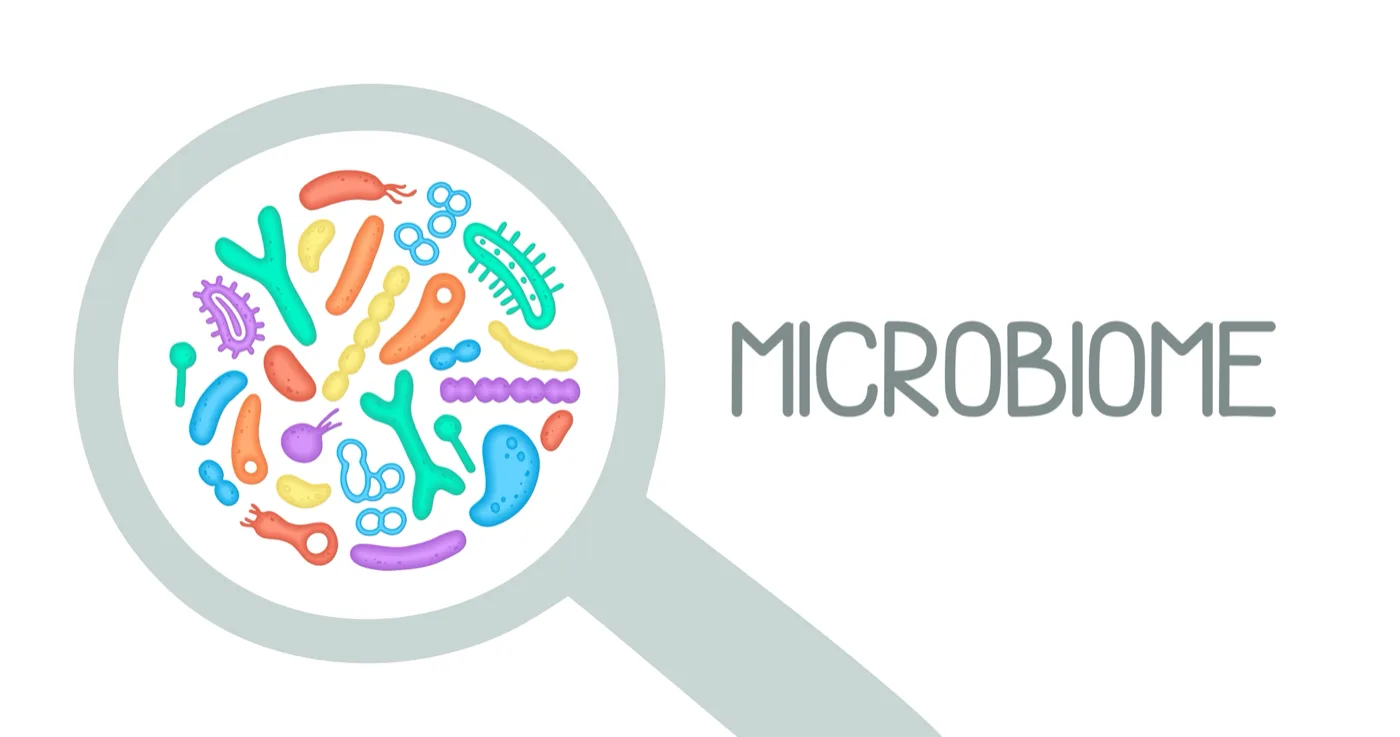
Currently, water quality management in shrimp ponds is one of the primary concerns for shrimp farmers, as inadequate water quality is a major cause of shrimp diseases, slow growth, feed refusal, and mortality.
Technical article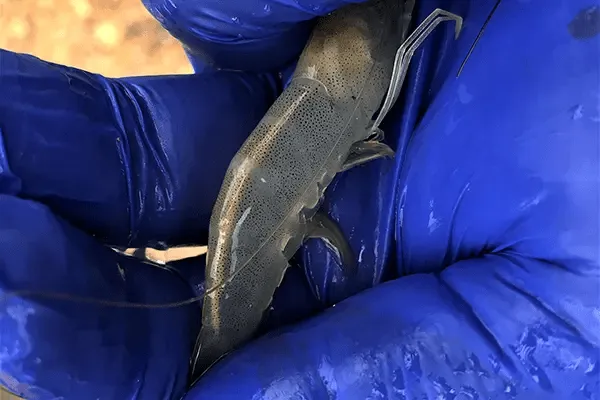
EHP causes lesions in the hepatopancreatic tubule epithelial cells (HP), and its main clinical signs are slow growth leading to increased size variation. White fecal strings floating on the pond water surface and the presence of shrimp with white coloration in the gastrointestinal tract (GI tract) in these ponds are also associated with EHP. In the advanced stage of the disease, EHP-infected shrimp often exhibit soft shells, lethargy, reduced feed intake, an empty midgut, and chronic mortality.
Technical articleCompare water readings and estimate mineral supplementation.
02Cross-check samples, feeding and biomass within the same period.
03Explore feeding references by stage and adjust to pond observations.
04Track feed, costs and crop results. Vietnamese-language app.
Have your water readings, days of culture and feeding observations ready for a more specific discussion.
Aquaculture technical assistant