Working hours: Mon - Fri | 08:00 - 17:00HOTLINE: 0867 95 7568
Technical Article

HOW DOES SALINITY AFFECT EHP INFECTION RATE IN WHITELEG SHRIMP?

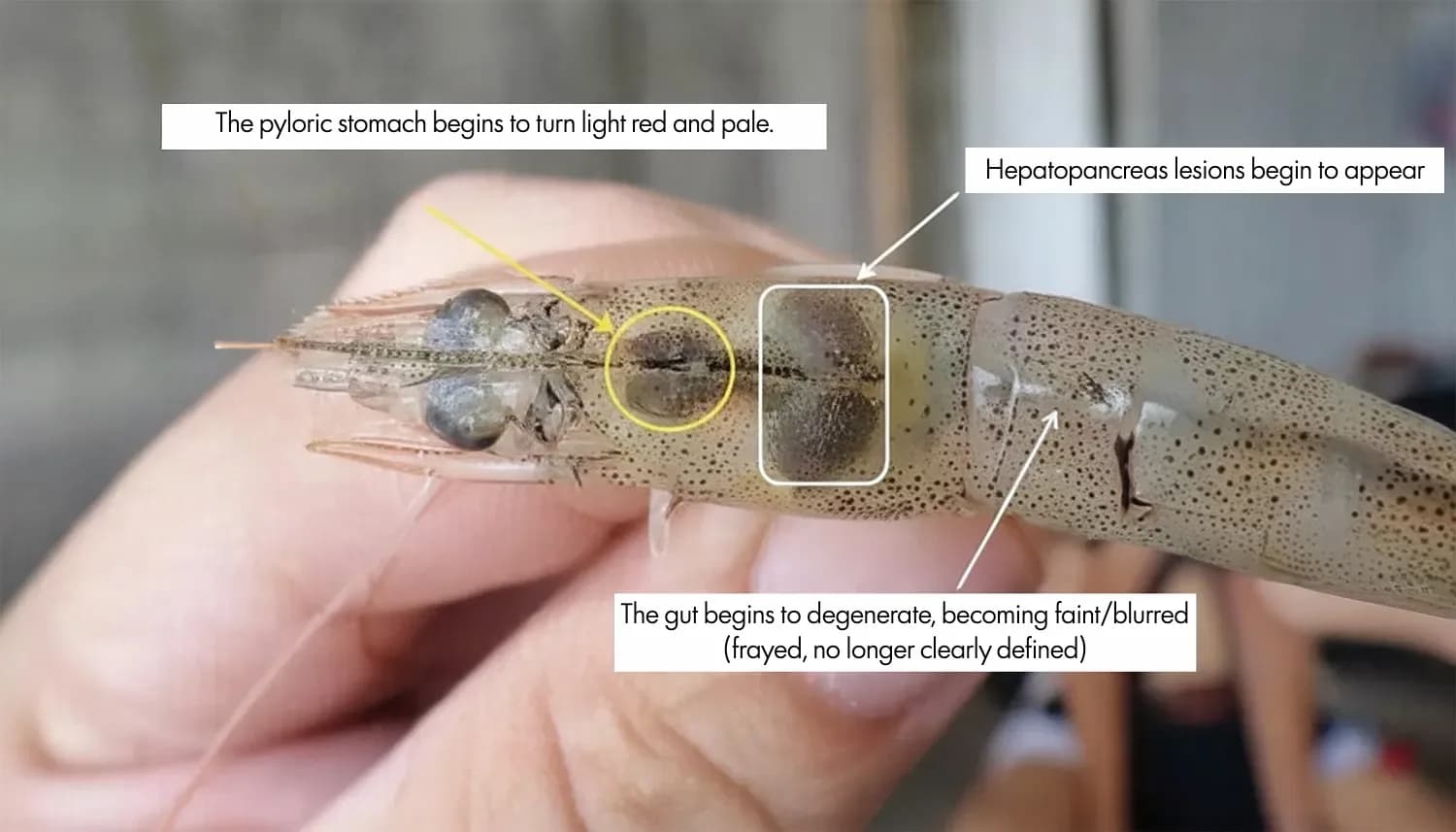
EHP causes lesions in the hepatopancreatic tubule epithelial cells (HP), and its main clinical signs are slow growth leading to increased size variation. White fecal strings floating on the pond water surface and the presence of shrimp with white coloration in the gastrointestinal tract (GI tract) in these ponds are also associated with EHP. In the advanced stage of the disease, EHP-infected shrimp often exhibit soft shells, lethargy, reduced feed intake, an empty midgut, and chronic mortality.

ProtocolShrimpDecember 3, 2024👁 266 views
Click to listen to an AI-narrated summary
Full Article
HOW DOES SALINITY AFFECT EHP INFECTION RATE IN WHITELEG SHRIMP?

Results show that shrimp feces can be a route of infection
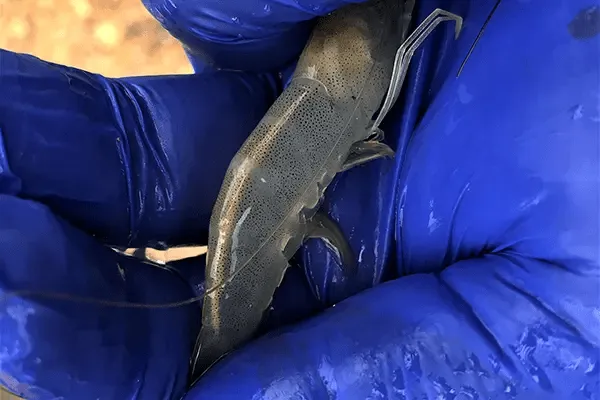
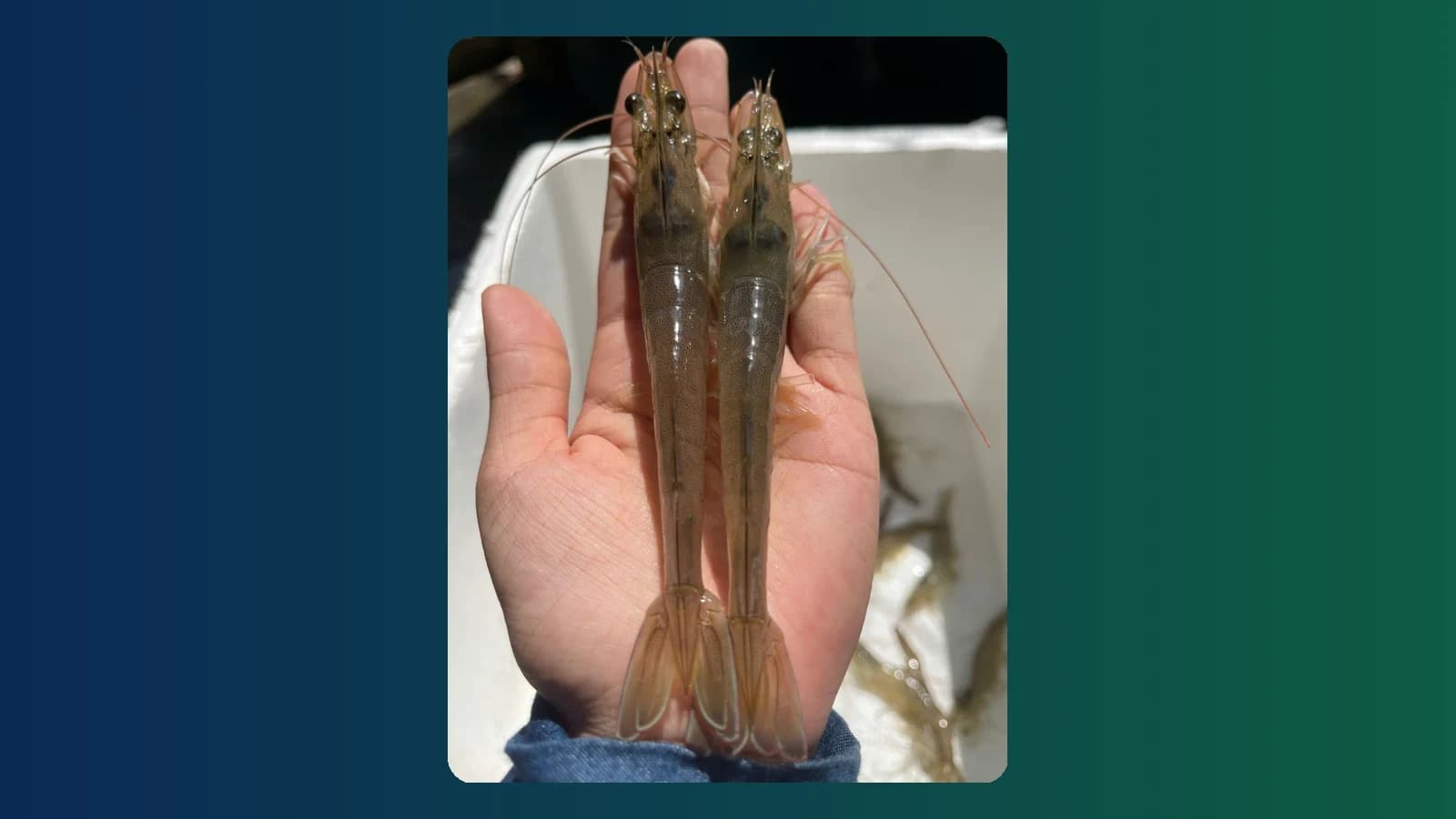
ARANGUREN-Photo-1_600-min

This study evaluated the effect of different salinities on infection by the intracellular microsporidian Enterocytozoon hepatopenaei (EHP) in Pacific white shrimp under experimental conditions. Results showed that shrimp feces can be a route of EHP infection occurring at salinities as low as 2 ppt, but the prevalence and severity of EHP infection were higher at 30 ppt salinity

Hepatopancreatic Microsporidiosis (HPM), caused by the intracellular microsporidian Enterocytozoon hepatopenaei (EHP), has been reported in several penaeid shrimp species, including black tiger shrimp and Pacific white shrimp. EHP has been reported in various regions, including Asian countries such as China, Indonesia, Malaysia, Vietnam, Thailand, and India. Recently, EHP has also been reported in Venezuela, located in the western hemisphere.

EHP causes lesions in the hepatopancreatic tubule epithelial cells (HP), and its main clinical signs are growth retardation leading to increased size variation. White fecal strings floating on the pond water surface and the presence of shrimp with white coloration in the gastrointestinal tract (GI tract) in these ponds are also associated with EHP. In advanced stages of the disease, EHP-infected shrimp often exhibit soft shells, lethargy, reduced feed intake, empty midguts, and chronic mortality.

In countries where EHP has been reported, such as India, China, Vietnam, and Venezuela, shrimp farming is conducted under various environmental conditions, including coastal marine, estuarine, and
Quick Q&A

Frequently asked questions on this topic

What does "HOW DOES SALINITY AFFECT EHP INFECTION RATE IN WHITELEG SHRIMP?" cover?

EHP causes lesions in the hepatopancreatic tubule epithelial cells (HP), and its main clinical signs are slow growth leading to increased size variation. White fecal strings floating on the pond water surface and the presence of shrimp with white coloration in the gastrointestinal tract (GI tract) in these ponds are also associated with EHP. In the advanced stage of the disease, EHP-infected shrimp often exhibit soft shells, lethargy, reduced feed intake, an empty midgut, and chronic mortality.

Which species does this article apply to?

Shrimp — Gut health, EMS / AHPND, Hepatopancreas, White feces

Related Products

Products linked to this topic

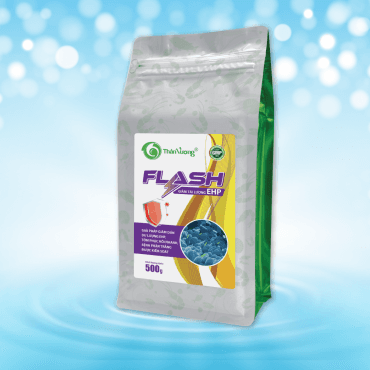
FLASH
ShrimpThan Vuong Blue

FLASH

Supports gut and hepatopancreas health — shrimp recover quickly, lower risk of white […]

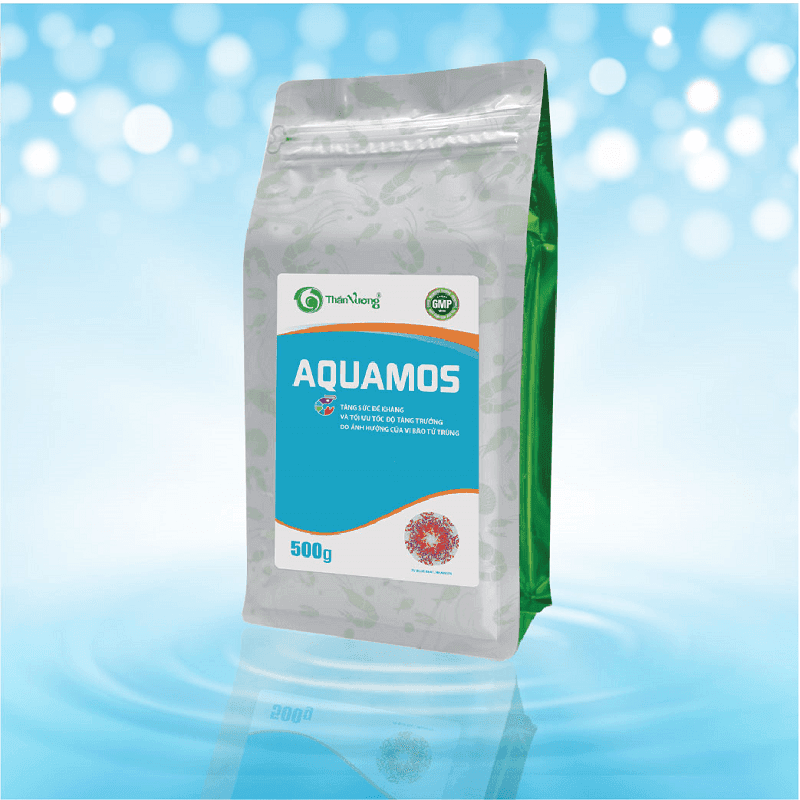
AQUAMOS
ShrimpThan Vuong Blue

AQUAMOS

Enhance resistance and optimize growth rate

MAX 4000
tom / ca / ocThan Vuong Blue

MAX 4000

Probiotic that helps reduce the toxic gases NH3, H2S and NO2

HERB GUARD
ShrimpThan Vuong Blue

HERB GUARD

Enhance liver function, improve color of hepatopancreas

More Reading

Related technical articles

CHANGES IN GUT MICROBIOTA DUE TO GLOBAL WARMING. REGULATING HOST HEALTH AND DISEASE STATUS IN POIKILOTHERMIC ANIMALS
Research Insight•Shrimp•February 28, 2026

CHANGES IN GUT MICROBIOTA DUE TO GLOBAL WARMING. REGULATING HOST HEALTH AND DISEASE STATUS IN POIKILOTHERMIC ANIMALS

Global warming alters the gut microbiota of Pacific whiteleg shrimp by restructuring enterotypes, increasing the risk of diseases su[...]

HEPATOPANCREAS PROTECTION – THE KEY TO IMPROVING SUCCESS RATES IN SHRIMP FARMING
Solution Track•Shrimp•January 6, 2026

HEPATOPANCREAS PROTECTION – THE KEY TO IMPROVING SUCCESS RATES IN SHRIMP FARMING

The hepatopancreas is the most important and multi-functional organ in shrimp, performing roles such as: digestion – nutrient absorp[...]

SHRIMP WITH WHITE FECES DISEASE – WHAT TO DO FOR TIMELY AND EFFECTIVE TREATMENT?
Solution Track•Shrimp•July 1, 2025

SHRIMP WITH WHITE FECES DISEASE – WHAT TO DO FOR TIMELY AND EFFECTIVE TREATMENT?

White feces disease in shrimp is a concerning issue, often causing significant losses for farmers.

Ask Than Vuong

Aquaculture technical assistant

Hello there 👋

Describe your pond issue or pick a question below.