Working hours: Mon - Fri | 08:00 - 17:00HOTLINE: 0867 95 7568
Technical Article

COBIA STOCKING FRY SELECTION AND FEEDING TECHNIQUES

Besides the advantage of rapid growth, cobia also possesses high adaptability and good disease resistance, making it quite commonly farmed in many coastal provinces of our country. Among these, farming in HDPE cages stands out for its high efficiency.

ProtocolShrimpFebruary 21, 2025👁 285 views
Click to listen to an AI-narrated summary
Full Article
COBIA STOCKING FRY SELECTION AND FEEDING TECHNIQUES

In addition to the advantage of rapid growth, cobia also has high adaptability and good disease resistance, making it quite popular for farming in many coastal provinces of our country. Among these, HDPE cage farming is particularly effective.
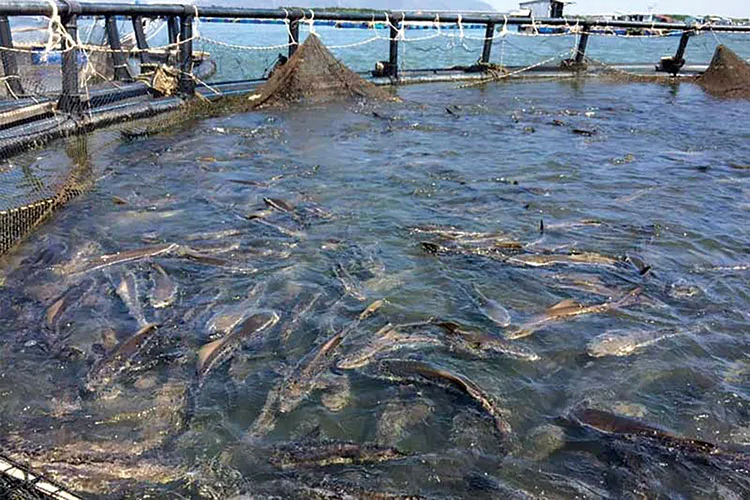
cobia-cage-farming

Fingerling Selection

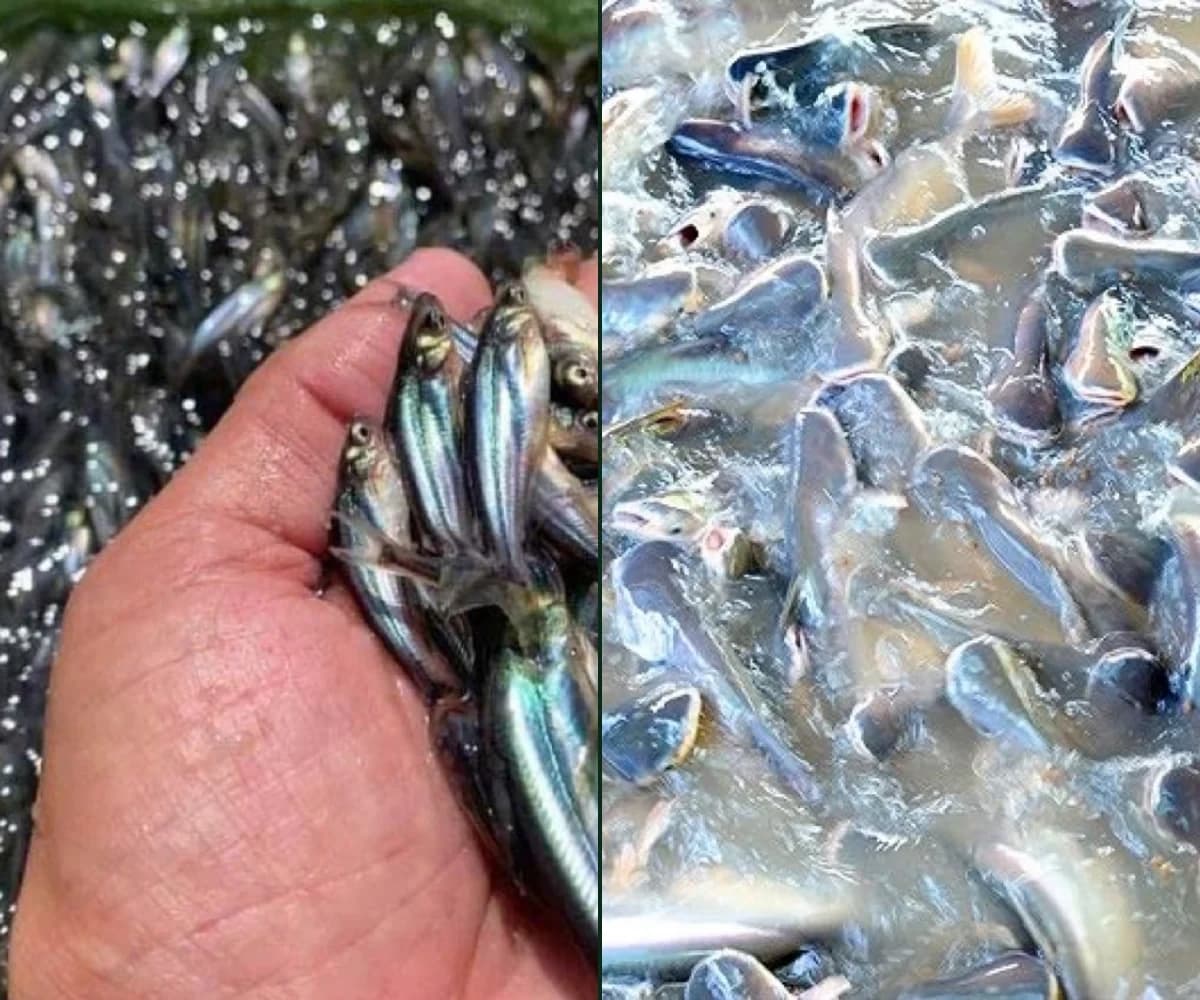
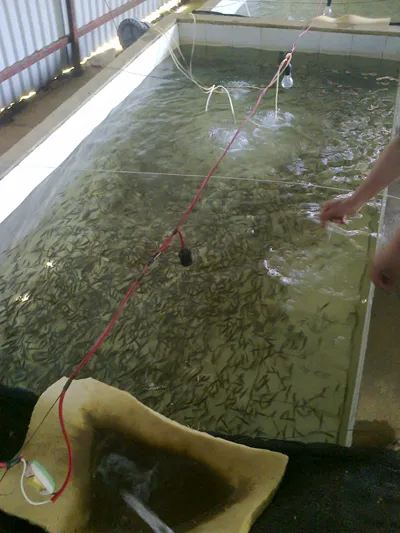
Fingerlings should have a bright brown color, with two distinct silvery-white stripes along the body length (fish that are pale white or dark black all over, with the two silvery-white stripes faded or invisible, are weak or diseased). Fingerlings for stocking should be uniform in size, with a length difference of no more than 3 cm among fingerlings stocked in the same cage. Fish should be healthy, swim actively, without deformities, abnormalities, or abrasions. Sizes are 10 – 12 cm for small fingerlings, and ≥ 18 cm for large fingerlings.

Fingerling size must be larger than the cage mesh opening and mesh size to ensure fish do not escape.
Salmon_fingerlings

Transportation and Stocking

Transport fish using air-filled bags with water and oxygen, maintaining an average temperature of 20 – 220C.

Acclimate the temperature of the air-filled bags and seawater by submerging the fingerling bags in seawater for about 10 - 15 minutes before releasing the fish into the cage area. Then, open the bag slowly to allow water to flow in, and tilt the bag for the fish to gradually swim out.

Before stocking, acclimate the fish for 5 – 10 minutes combined with aeration to eliminate parasitic pathogens on the fish, or bathe them in potassium permanganate at a concentration of 5 ppm for 15 – 20 minutes. It is best to stock fish early in the morning or late in the afternoon.

Feed

Trash fish: Fish must be fresh, sorted to remove impurities, and parasites eliminated by soaking in freshwater before feeding to prevent diseases in farmed fish. Initially, trash fish should be chopped into 1 – 3 cm pieces depending on the size of the farmed fish; when fish are over 2 kg/individual, trash fish of 10 – 15 cm (whole) can be fed.

Homemade feed: Contains 42% protein. Use an extruder to produce moist pellet strands, with different strand diameters depending on the size of the farmed fish. Feed once a day in the morning. Distribute feed slowly to allow fish to easily catch it. Feed the fish gradually until they stop eating, then cease feeding to prevent feed from falling to the bottom of the cage.

Commercial feed: Farmers can also use commercial feed specifically for cobia, feeding fish twice a day, morning and afternoon, with a feed amount of about 1.5 – 2% of the fish's body weight per day.

Technical Department, THAN VUONG Company
Quick Q&A

Frequently asked questions on this topic

What does "COBIA STOCKING FRY SELECTION AND FEEDING TECHNIQUES" cover?

Besides the advantage of rapid growth, cobia also possesses high adaptability and good disease resistance, making it quite commonly farmed in many coastal provinces of our country. Among these, farming in HDPE cages stands out for its high efficiency.

Which species does this article apply to?

Shrimp

Related Products

Products linked to this topic

CANFORTA
ShrimpThan Vuong Blue

CANFORTA

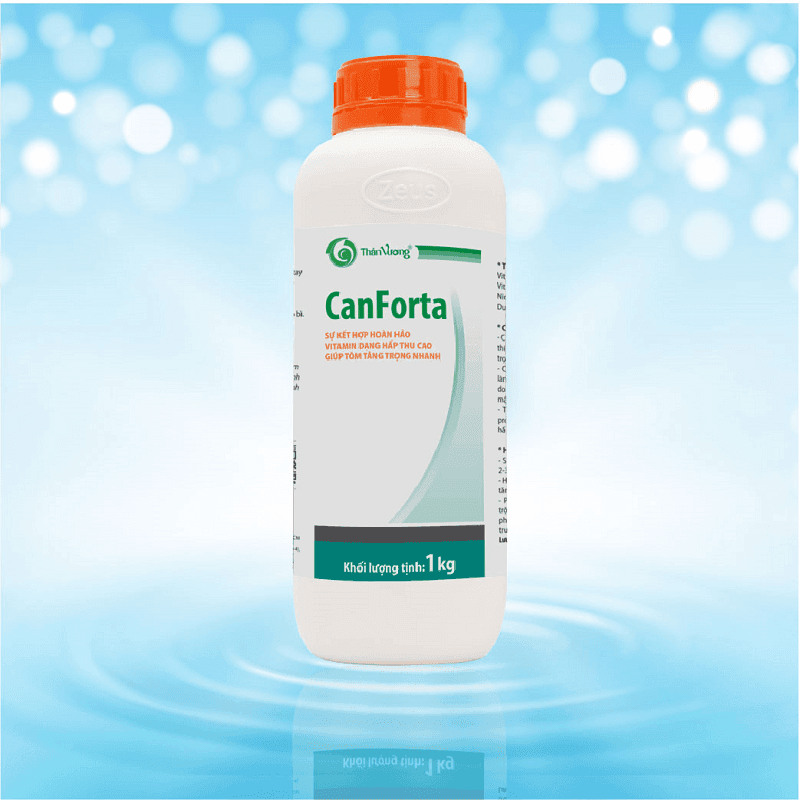
High-absorption vitamin form helps shrimp gain weight quickly

HERB GUARD
ShrimpThan Vuong Blue

HERB GUARD

Enhance liver function, improve color of hepatopancreas

More Reading

Related technical articles

Striped catfish from nursery to grow-out: probiotics, digestive enzymes and feed protein and fat in new research
Technical article•Shrimp•November 1, 2026

Striped catfish from nursery to grow-out: probiotics, digestive enzymes and feed protein and fat in new research

A trial published on 30 October 2026: adding 2 g/kg probiotic to feed containing a digestive enzyme cut FCR in 10 g catfish fingerli[...]

Preventing white feces from the gut: two new trials feeding beneficial bacteria and metabolites taken from healthy shrimp
Technical article•Shrimp•November 1, 2026

Preventing white feces from the gut: two new trials feeding beneficial bacteria and metabolites taken from healthy shrimp

A Ningbo University (China) team looked for what healthy shrimp guts have and white-feces guts lack, then fed it back for 14 days be[...]

Binding and neutralising the Vibrio toxins behind EMS and TPD: clay, antibodies in feed and anti-virulence compounds — how strong is the evidence?
Technical article•Shrimp•October 29, 2026

Binding and neutralising the Vibrio toxins behind EMS and TPD: clay, antibodies in feed and anti-virulence compounds — how strong is the evidence?

A review of 2019–2026 research: montmorillonite clay at 2.5–5 g/kg feed raised whiteleg shrimp survival to 83–94% versus 40% after a[...]

Ask Than Vuong

Aquaculture technical assistant

Hello there 👋

Describe your pond issue or pick a question below.