Black spots (melanin) in the shrimp liver – not just a sign, but evidence that the immune system is working hard
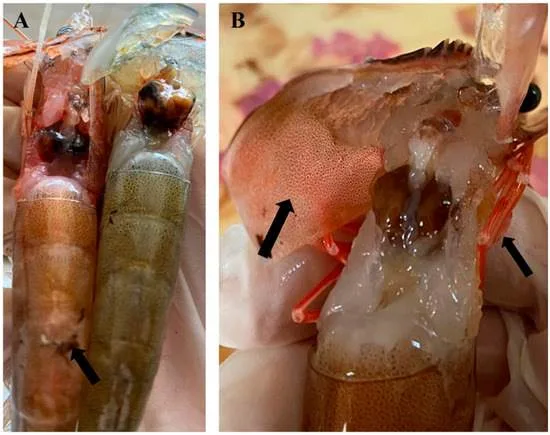
Figure 1. (A): Left, a normal shrimp; right, an infected shrimp
(B): The infected shrimp shows red discolouration of the abdominal muscle, hepatopancreas and swimming legs (pleopods), with melanized areas (black spots caused by melanin) on the red abdominal shell (arrow). Red spots also appear on the carapace and on the walking legs (pereopods) (arrows)
In shrimp farming (especially whiteleg shrimp Litopenaeus vannamei), black spots or black streaks in the hepatopancreas often worry farmers. However, this is not merely a pathological symptom: it is mainly a natural immune response of the shrimp against harmful agents such as bacteria, viruses, fungi or inflammation.
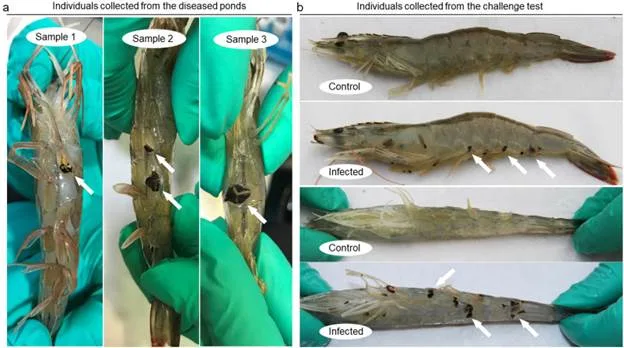
Source: ScienceDirect
Description: Illustration of melanin black spots on the hepatopancreas caused by fungi
What is melanin and why does it appear in the shrimp liver?
Melanin is the end product of the prophenoloxidase (proPO) system – an important immune mechanism in crustaceans (including shrimp). When shrimp are attacked by:
- Bacteria (most commonly Vibrio parahaemolyticus, which causes AHPND/EMS)
- Viruses (such as WSSV)
- Fungi or other inflammatory agents
the immune system activates the enzyme phenoloxidase, triggering an oxidation process that produces melanin (a black/brown pigment) together with toxic intermediates (reactive oxygen/nitrogen intermediates) in order to:
- Encapsulate and destroy the pathogens
- Stop them from spreading
Scientific studies have confirmed that:
- In AHPND (Acute Hepatopancreatic Necrosis Disease), caused by Vibrio parahaemolyticus, the hepatopancreas often shows black spots or black streaks due to melanized tubules (hepatopancreatic tubules that have become melanized) – an inflammatory response by hemocytes (blood cells) against the bacteria. (According to WOAH/OIE documents and a study published on ScienceDirect in 2023.)
- Melanin deposition has been recorded in inflammatory processes in shrimp, linked to hemocytic (blood cell) activity against both infectious and non-infectious agents. (Histochemical studies, 1977–2004.)
- The proPO-melanization system is a key immune mechanism that helps shrimp contain pathogens and improves their chances of survival when infected with WSSV or other diseases.
In other words: the more black spots there are, the "harder" the immune system is working, mobilising more blood cells (hemocytes) and energy to fight the pathogens. At an early stage this is a positive sign, not a sign that the shrimp are "beyond saving".
Why monitor and intervene early?
Although melanin is a protective response, if the condition persists or becomes too severe (pale, shrunken hepatopancreas, spreading black spots), it can lead to:
- Severe hepatopancreas damage → shrimp grow slowly, go off feed and die sporadically
- Lower survival and much higher costs
Therefore, rapid checks of melanin and hepatopancreas colour (by direct observation or by analysis) help to:
- Detect health problems early
- Assess the level of immune activity and local infection
- Intervene in time, before disease breaks out severely
Science-based solutions to reduce black spots and build lasting resistance
To limit excessive melanization (that is, to reduce the pressure on the immune system), focus on strengthening overall resistance instead of acting only once the disease is severe:
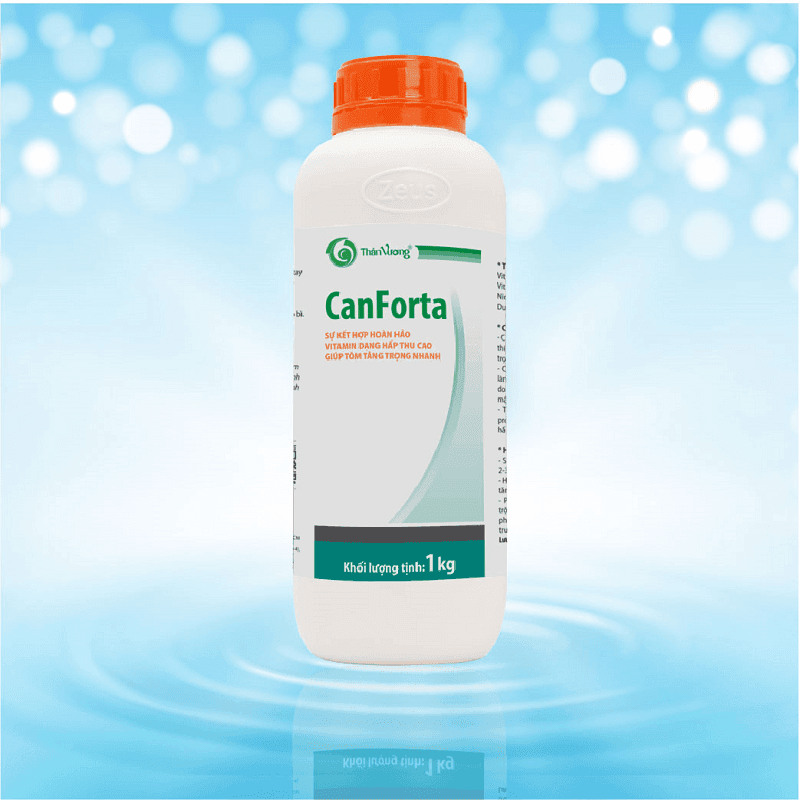
- Support the formation and maintenance of a stable hemocyte (blood cell) population: stimulate metabolism and supply nutrients so that hemocyte levels stay high, helping shrimp respond quickly without becoming "overloaded". Immune-support products (such as CANFORTA).
- Reduce infection and keep bacteria under control: keep the pond environment clean and use biological water-treatment products according to technical guidance.
- Support hepatopancreas regeneration and help reduce inflammation after infection: supplement herbal or liver-support products (such as HERB GUARD) to support the recovery of liver tissue after the immune response.
- Strict water quality management: help reduce toxic gases (ammonia, nitrite, H₂S) with pond-bottom probiotics (such as MAX 4000 New or similar) and lower oxidative stress, so that shrimp need to activate melanization less often.
Expected results when immunity is good:
- Higher survival (often >80–90% during the critical period)
- Lower spending on medicines and disease handling
- Steady growth and sustainable profits
In summary: Black spots in the shrimp liver are not always bad – they are scientific evidence that the shrimp's immune system is "fighting". Problems only arise when this response is overloaded or goes on too long. Put prevention first by building overall resistance, rather than waiting for the shrimp to fall sick before acting – this is the real key to a successful crop!

THAN VUONG – SHARING OPTIMAL SOLUTIONS
Than Vuong stands alongside farmers with science, transparency and sustainable value.