Biology & model
Grow-out pangasius: high density, FCR is key
Pangasius is raised in high-density earthen/floating ponds on pellets. Organic load and FCR decide profit — a bad environment weakens the liver, invites disease and spikes FCR.

Grow-out Pangasius
High-density pangasius easily breaks out with bacillary necrosis (Edwardsiella ictaluri) and hemorrhage when the pond environment turns bad. Than Vuong: stabilize environment + protect liver + treat the right agent.

01 / 06
Quick answer
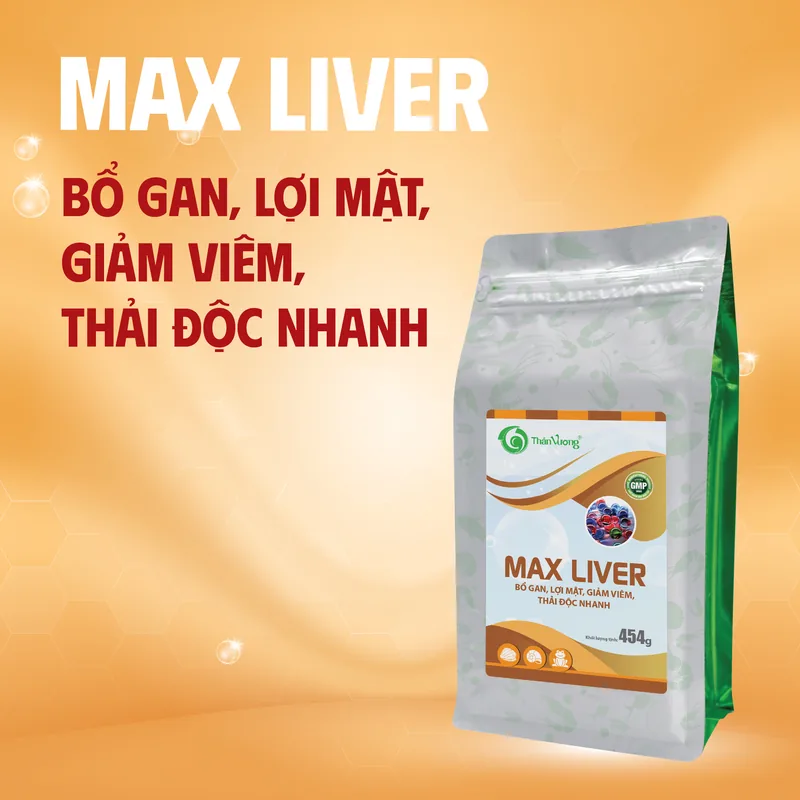
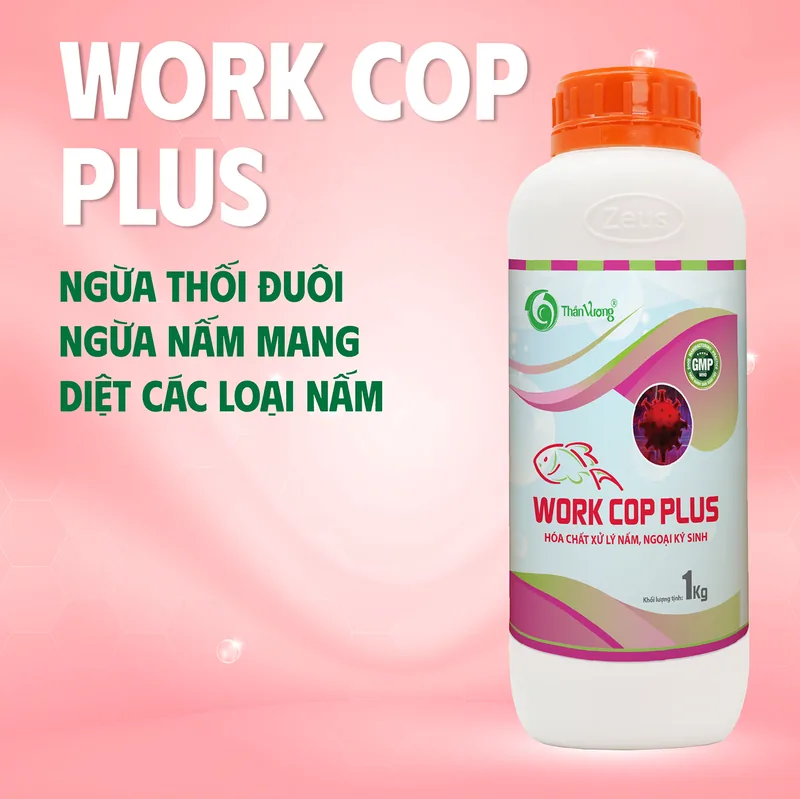
Successful grow-out pangasius needs: (1) managing the high-density pond — water exchange, bottom probiotics (SOILMAX New, MAX 4000), NH3/NO2 removal (YUCCA C); (2) liver and gut protection with HERB GUARD, MAX LIVER, PRO GUT plus immunity boosters AQUAMOS/BETAGLUCAN; (3) on disease: treat Edwardsiella ictaluri necrosis with FLOR-MAX, Aeromonas hemorrhage with OXYTETRA/DOXYPA, parasites with AQUA PRAZI — always observe the pre-harvest withdrawal period.
Biology & model
Pangasius is raised in high-density earthen/floating ponds on pellets. Organic load and FCR decide profit — a bad environment weakens the liver, invites disease and spikes FCR.
Pond environment
Excess feed and feces build up, raising NH3/NO2/H2S and lowering bottom oxygen. Water exchange + bottom probiotics + toxic-gas removal keep the pond stable and the liver healthy.
Common diseases
Bacillary necrosis (Edwardsiella ictaluri) and Aeromonas hemorrhage cause mass mortality. Identify the agent to use antibiotics effectively and avoid resistance.
Liver & immunity
The liver is the most stressed organ in high-density pangasius. Protecting liver + gut + regular immune support helps fish cope, feed strongly and reduces antibiotic use.
02 / 06
Get the pond right before stocking: a clean bottom, enough lime, water within targets. Parameters follow national standards and extension guidance; product doses follow Than Vuong labels.
Drain the pond and remove wild fish. Clear the organic sludge so the bottom is flat and slopes to the outlet.
Spread powdered lime over the bottom and banks. Use more on acid-sulphate soil.
Water depth of at least 3 m per QCVN 02-20:2014. Treat acid-sulphate or metal-laden water.
FYTO FLOC builds a tea colour; repeat after 3–5 days. Brew SOILMAX New with FYTO FLOC for 4–6 hours, then apply. GROWMIN goes in 24 hours before stocking.
Pangasius pond water targets (QCVN 02-20:2014)
During the crop
Regular bottom probiotics — the organic load climbs every month.
When NH₃, NO₂ or H₂S rise — absorb them and raise oxygen.
Disinfect water and bottom every 10–15 days.
Add minerals to hold alkalinity at 60–180 mg/l.
Exchange water more as the crop grows: about 20% a week from month 2, 30% two to four times a week in months 3–6, daily late in the crop. Well-aerated ponds can exchange less.
Rain and season change: lime the banks; hang lime and salt bags at the inlet; limit exchange while water is turbid; cut feed 30–50% when the weather turns.
Dashed chips: common farm inputs, not Than Vuong products. Sources: QCVN 02-20:2014/BNNPTNT · 28 TCN 213:2004 (LuatVietnam summary) · Vietnam Fisheries Magazine · Research Institute for Aquaculture No. 2 · Than Vuong technical team — care at the season change · Doses from Than Vuong product labels
03 / 06
From stocking to harvest, by fish size. Feed protein follows 28 TCN 188:2004 (as cited by RIA2); product doses follow the labels.
Stocking
Fish 20–200 g
In the rainy season, below 28 °C water, bacillary necrosis peaks in fingerlings and juveniles (Can Tho University) — watch closely; see the protocols below.
Fish 200–500 g
Over 500 g → harvest
Dashed chips: common farm inputs, not Than Vuong products. Sources: QCVN 02-20:2014/BNNPTNT · Research Institute for Aquaculture No. 2 · National Agricultural Extension Centre · Dan toc & Phat trien newspaper · FAO — Striped catfish fact sheet · Can Tho University — common pangasius diseases · Than Vuong technical team — staged deworming · Doses from Than Vuong product labels
04 / 06
Pick by what you see at the pond. Each protocol lists doses, a day-by-day schedule and the withdrawal period.
05 / 06
33 products in 6 groups.
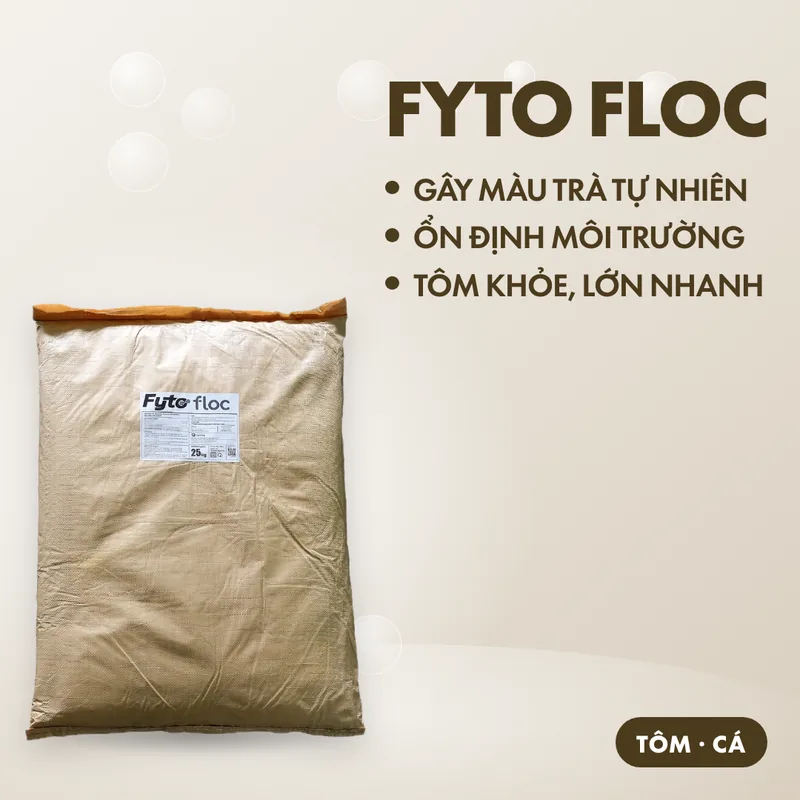 FYTO FLOCNatural tea-colour water, builds and steadies the pond base
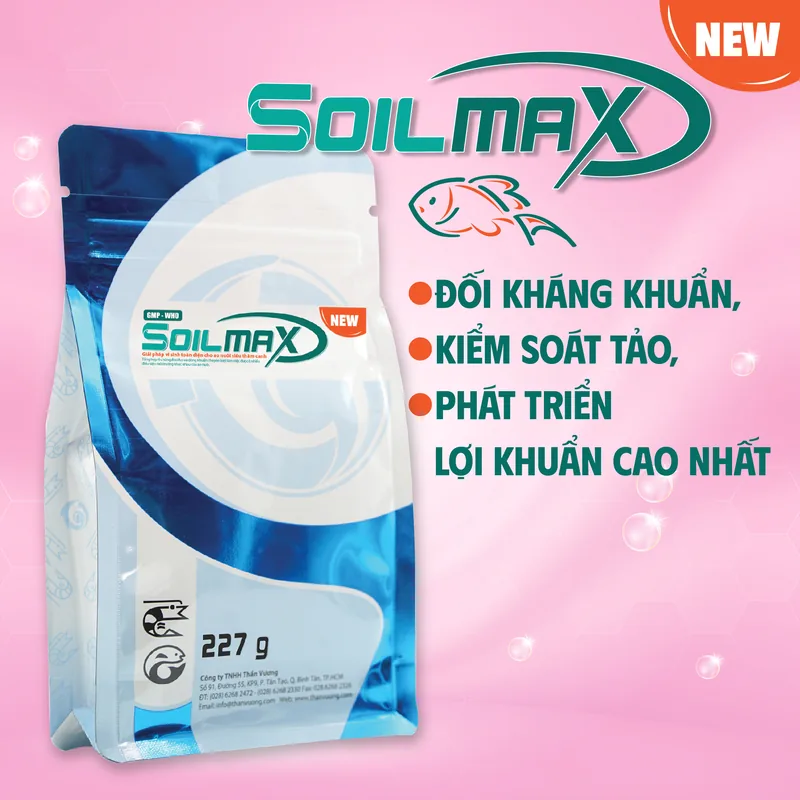 SOILMAX NewConcentrated bottom probiotics, decompose organics, cut toxic gas
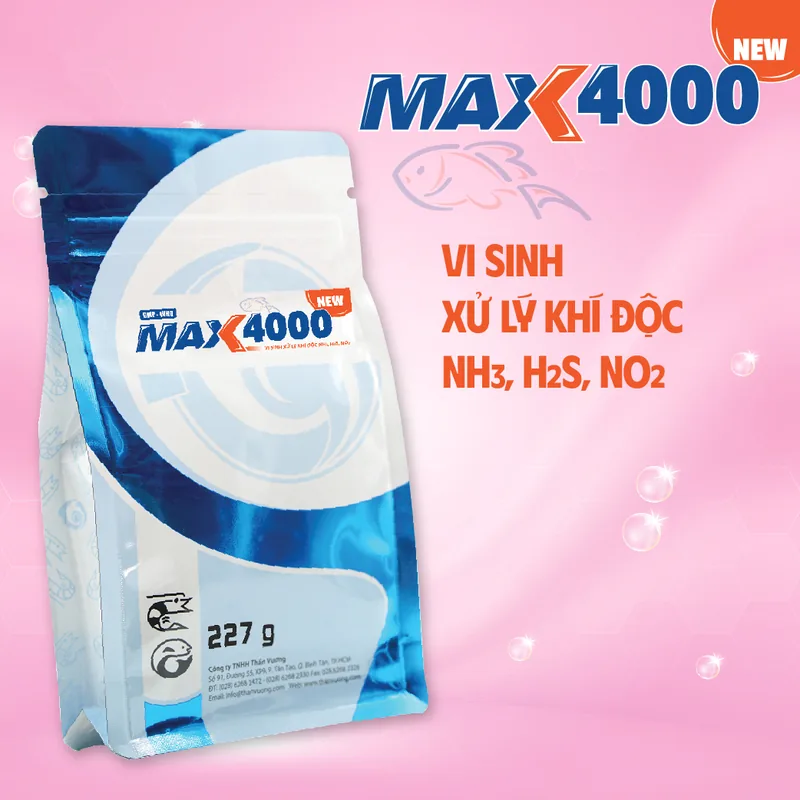 MAX 4000Broad-salinity probiotics, strong at low-oxygen bottom, cut NH3/NO2/H2S
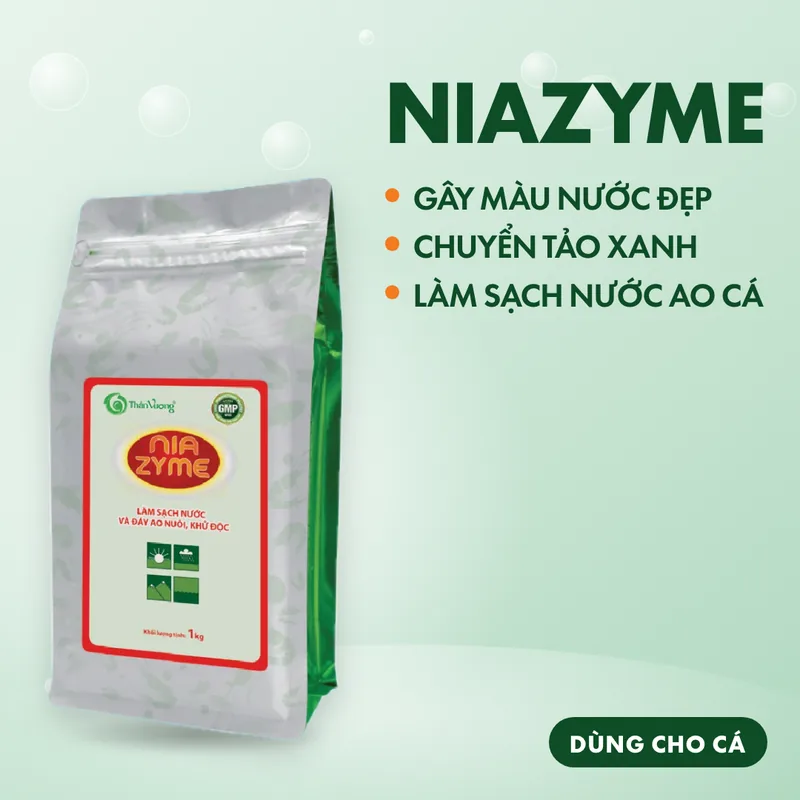 NIAZYMEClean water & bottom, remove toxic gas, build water color
 AQUA PRO4000XBroad-salinity probiotics treat bottom/water, control algae — fresh & marine
 UNPARA ABIProbiotics clean the pond bottom, decompose detritus, build good water color
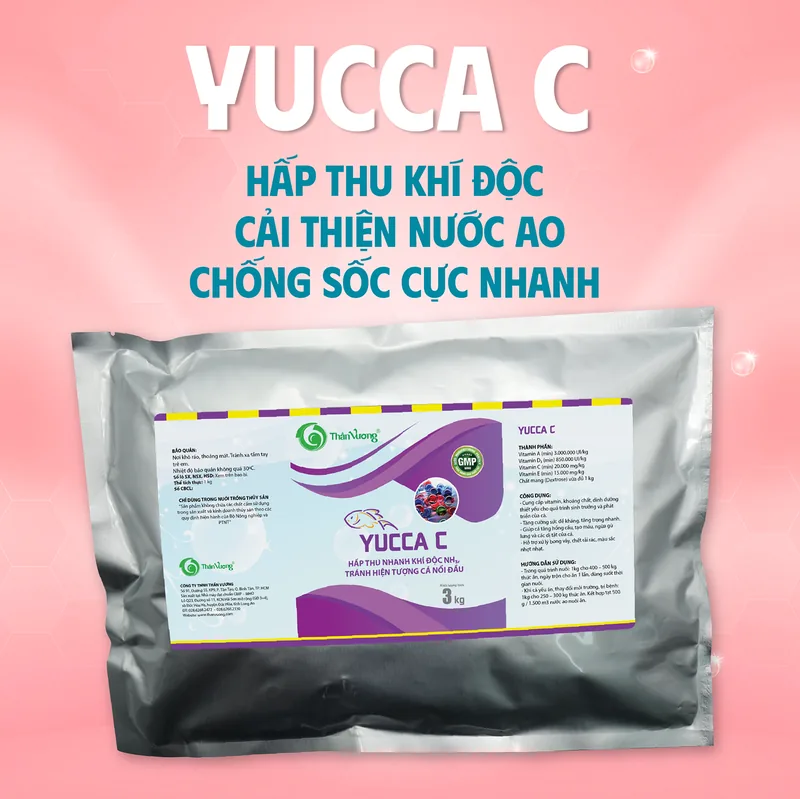 YUCCA CFast NH3 absorption, anti-shock, stabilize environment
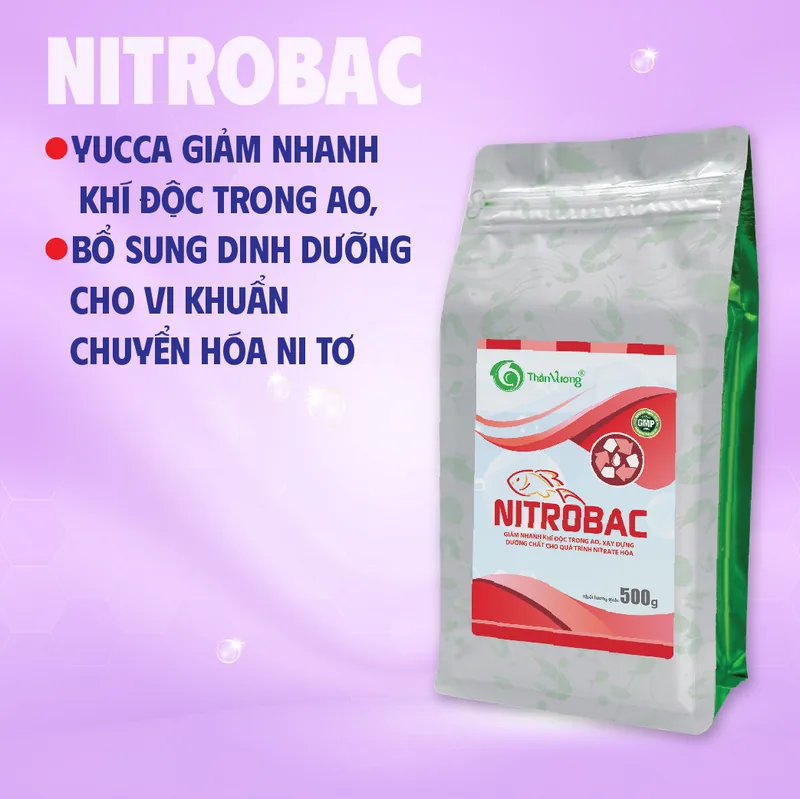 NITROBACYucca extract absorbs ammonia, speeds nitrification
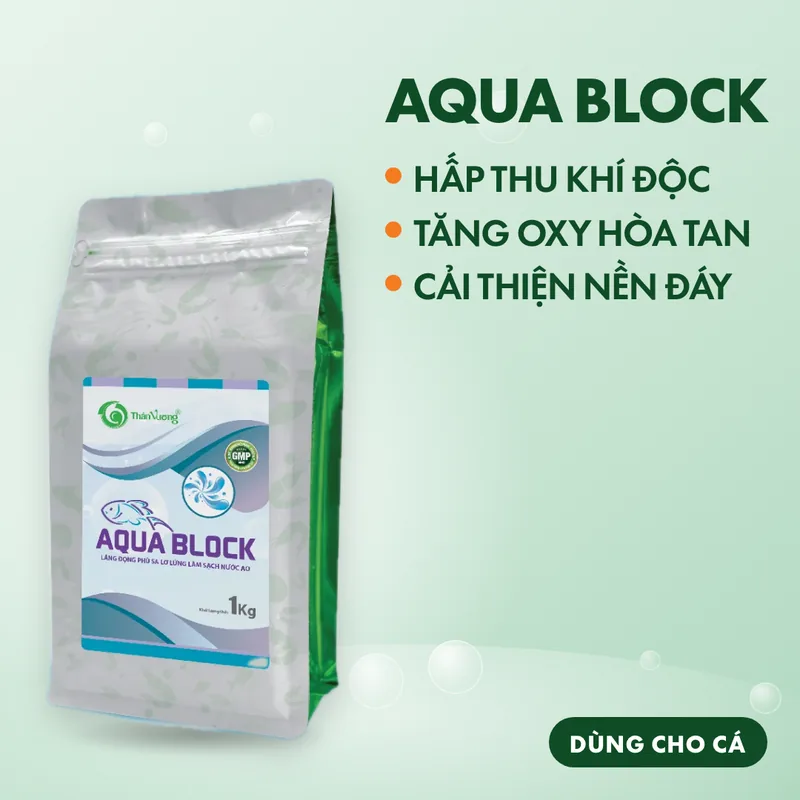 AQUA BLOCKSettle silt & dead algae, cut toxic gas, clarify pond water
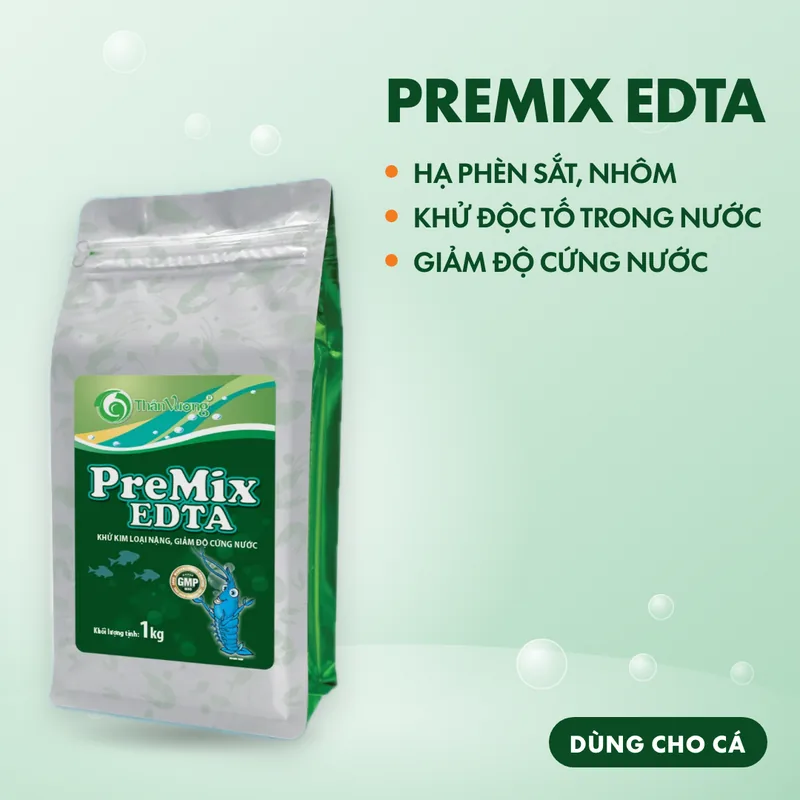 PREMIX EDTAChelate heavy metals, reduce acid-sulfate (iron, aluminum, manganese)
 CANFORTAHigh-uptake vitamins & amino acids, boost appetite and immunity
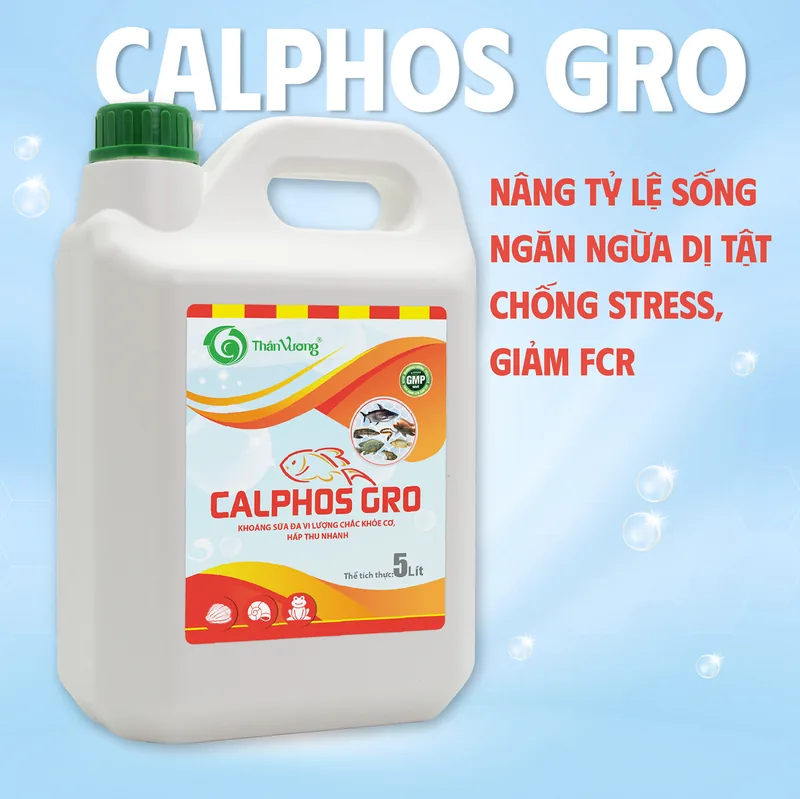 CALPHOS GROMinerals for growth and skeletal development
 QUICKSHELL GOLDMinerals + iron for fast blood formation, aid recovery
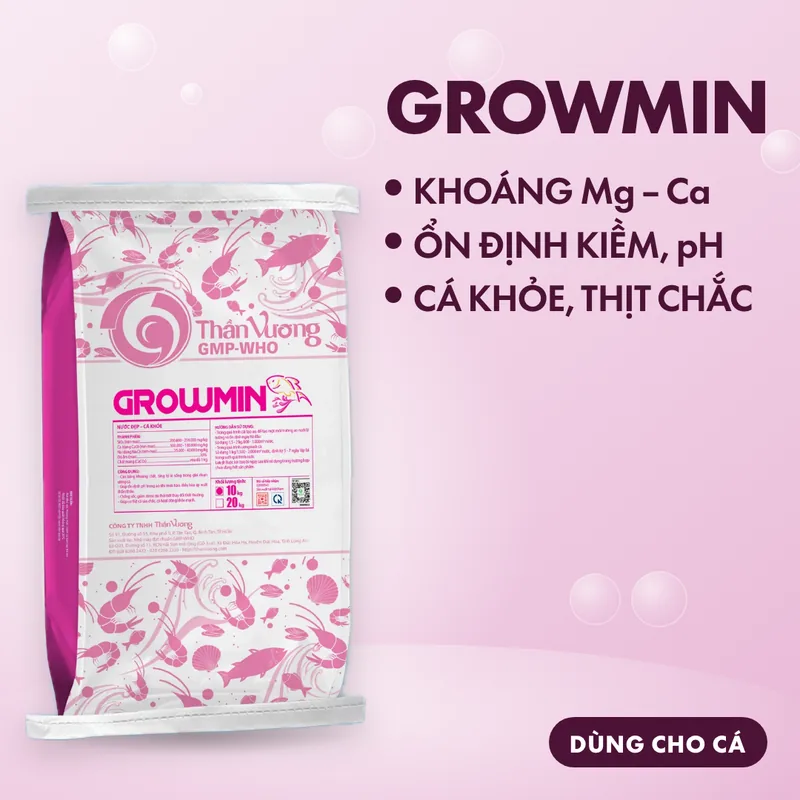 GROWMINPremium Mg-Ca minerals, stabilize alkalinity and pH
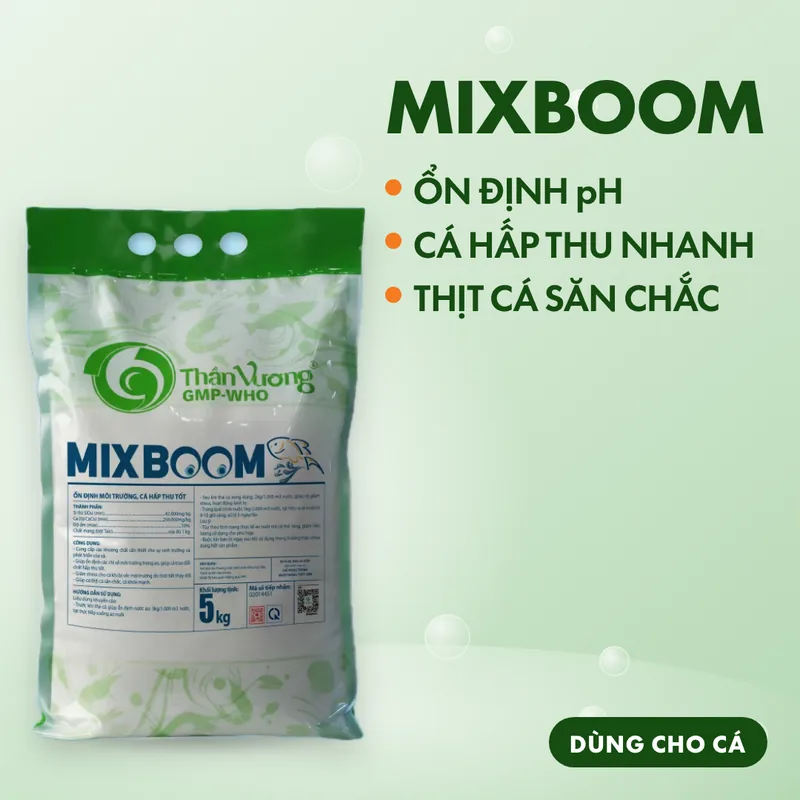 MIXBOOMSupply minerals, stabilize the environment, reduce stress
 PRO GUTPrevent gut disease, neutralize toxins, restore gut wall
 BIOMAXYeast boosts immunity, balances gut microbiome
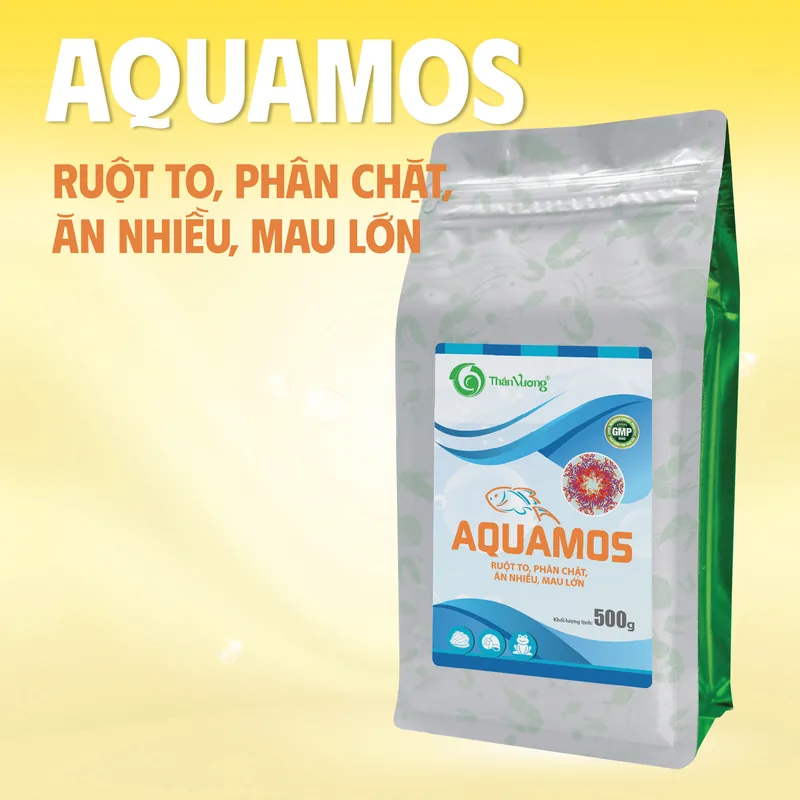 AQUAMOSYeast nutrients stimulate immunity, healthy gut, faster growth
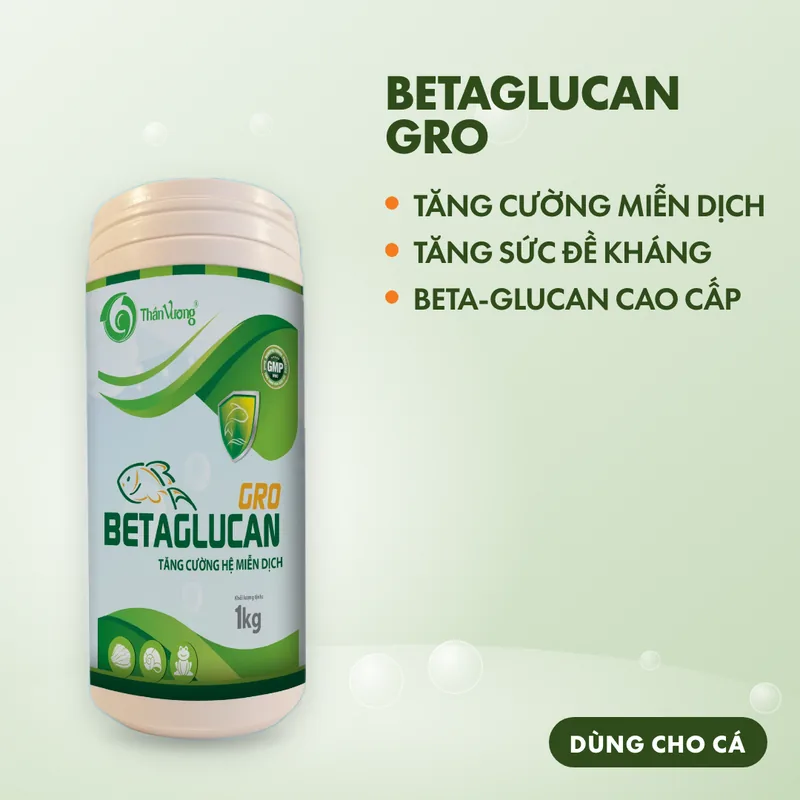 BETAGLUCAN GROBeta-glucan boosts health, stimulates natural immunity
 CLEVERYeast protein that supports gut microbial balance
Use under guidance, observe withdrawal period.
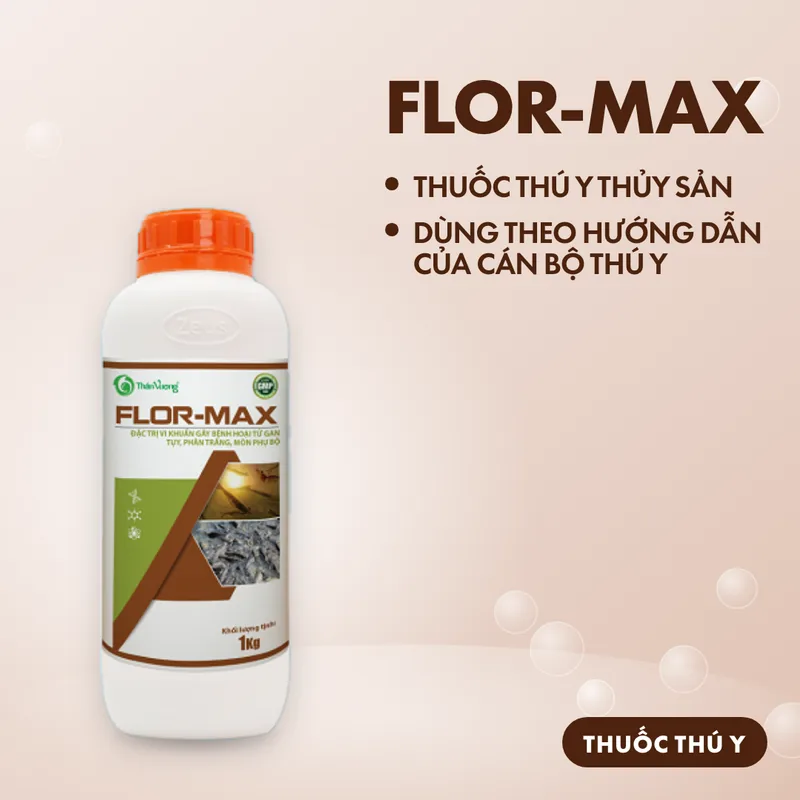 FLOR-MAXFlorfenicol for bacillary necrosis (Edwardsiella ictaluri)
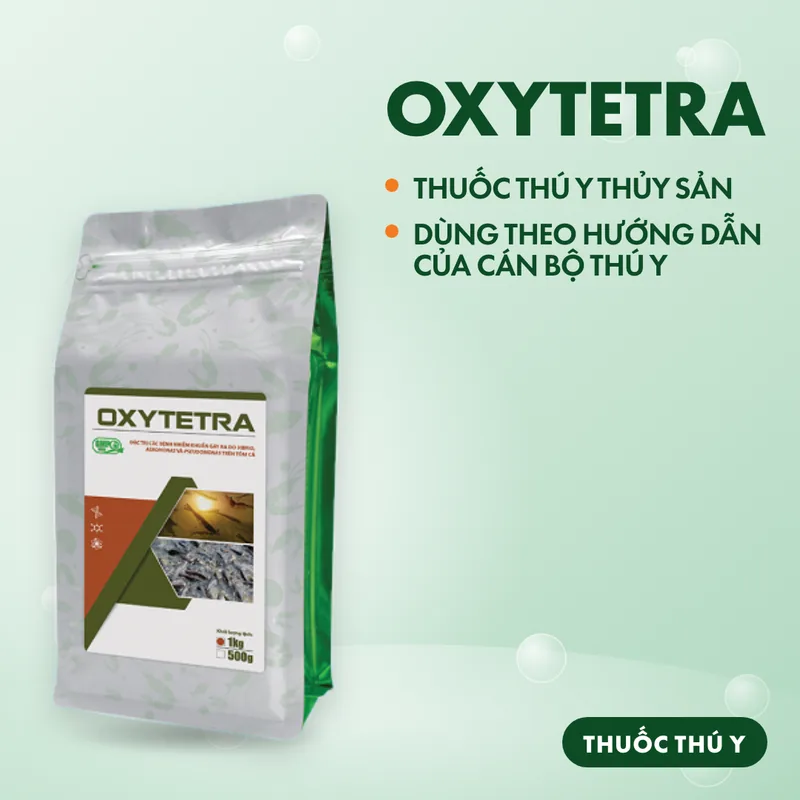 OXYTETRATreats Aeromonas/Pseudomonas hemorrhage; Vibrio luminescence
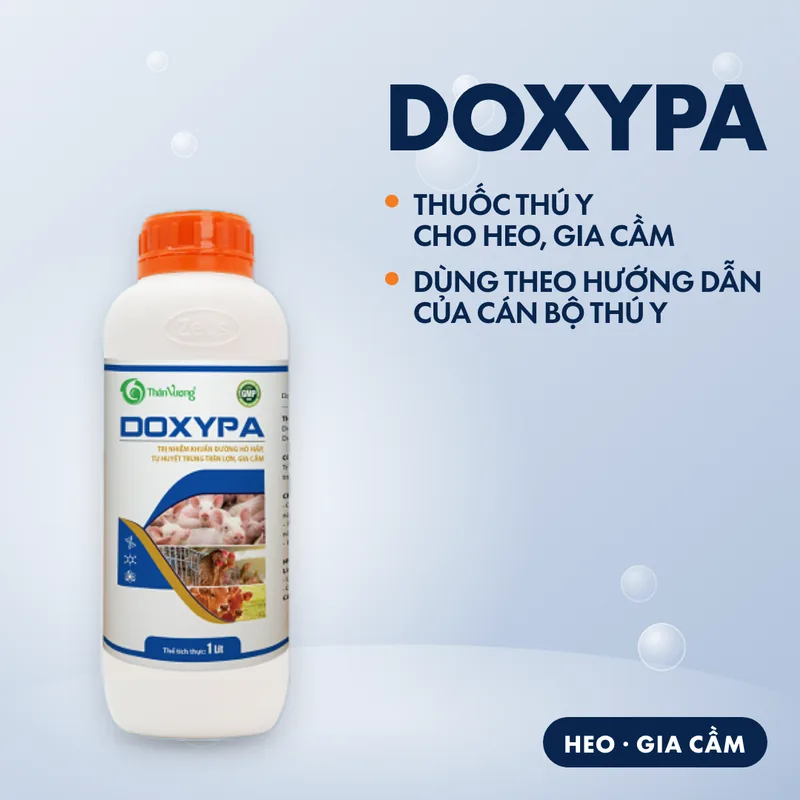 DOXYPABroad-spectrum doxycycline for severe infection
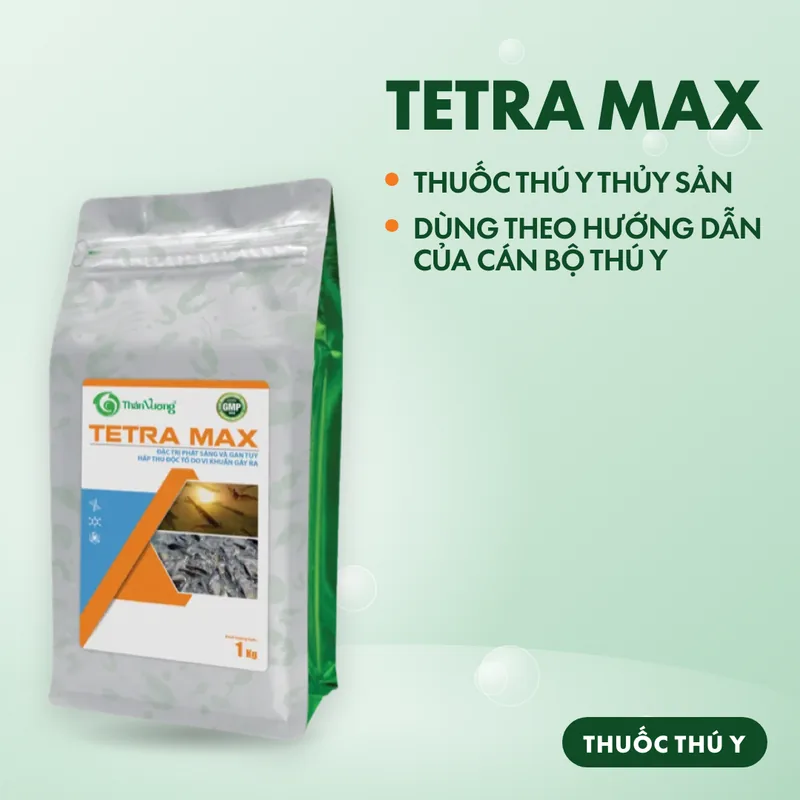 TETRA MAXTreats Aeromonas gut hemorrhage
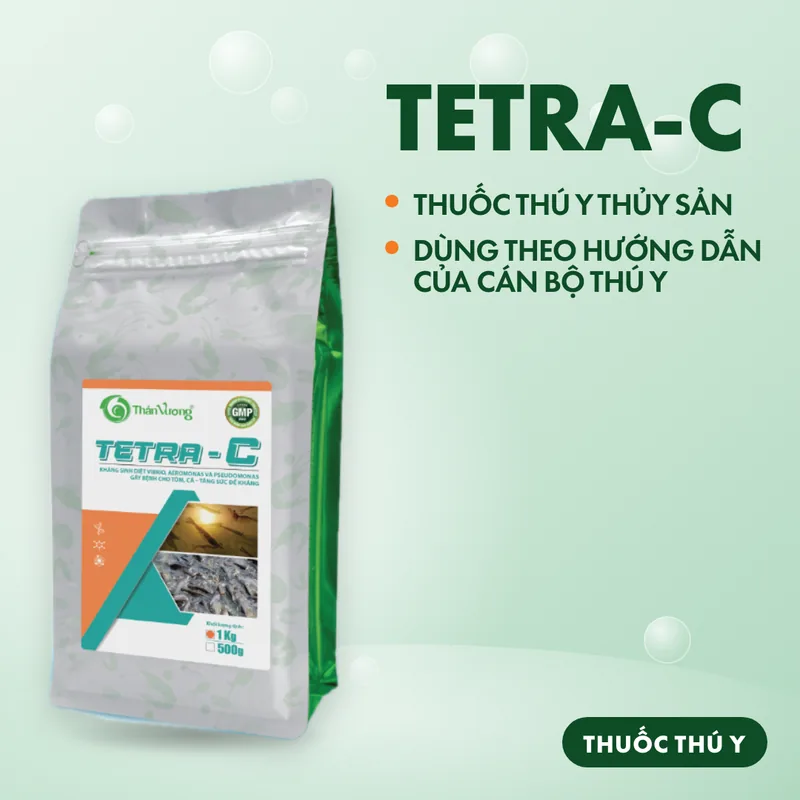 TETRA-CAntibiotic + vitamin C — treat infection, support immunity
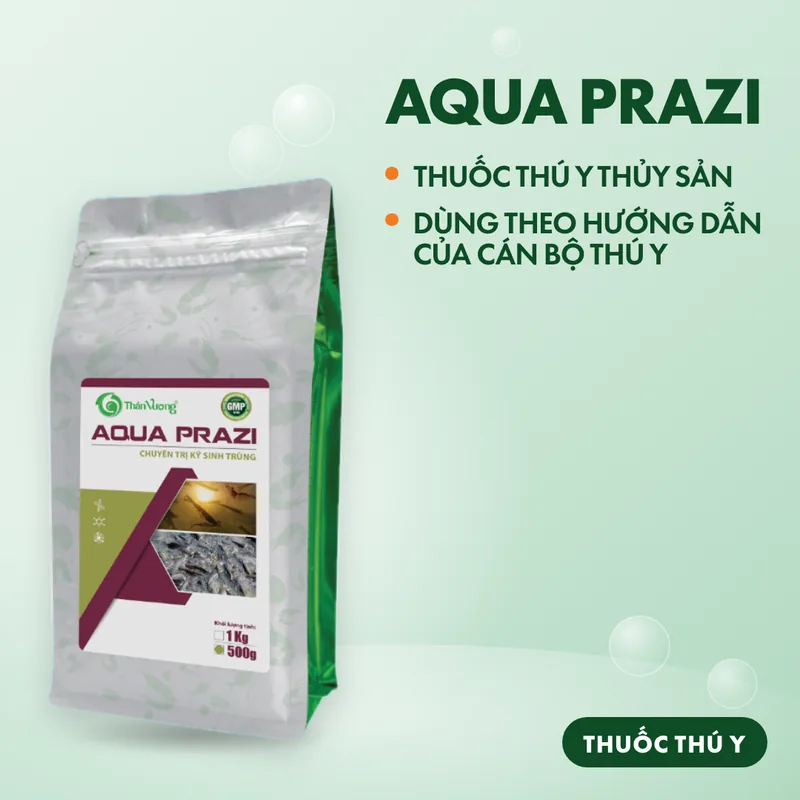 AQUA PRAZITreats parasites: monogeneans, gill flukes, fish lice
06 / 06
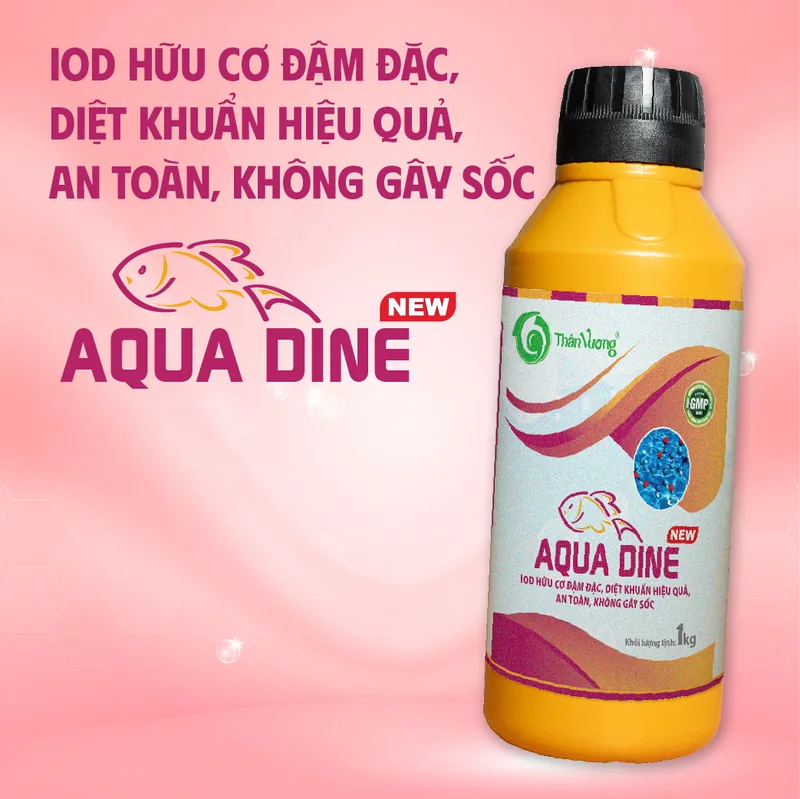
Bacillary necrosis from Edwardsiella ictaluri — treat with FLOR-MAX (florfenicol, low resistance) per dose, with HERB GUARD for liver recovery and reduced feeding during treatment. Observe full withdrawal before harvest.
Target FCR ~1.5–1.7. A rising FCR usually means weak liver, poor gut absorption or bad environment — protect the liver (HERB GUARD, MAX LIVER), stabilize the gut (PRO GUT) and treat the environment.
Apply SOILMAX New + MAX 4000 regularly to decompose the bottom and convert NH3/NO2; use YUCCA C or NITROBAC to absorb NH3 when high; increase water exchange and oxygen, especially late-crop.
Gill flukes, Trichodina, monogeneans → use AQUA PRAZI, combine with water disinfection by WORK 80 or POWER GLUTA, then re-seed probiotics.
Than Vuong's technical team designs a free protocol for your pond or cage — reply within 24h.
Aquaculture technical assistant