
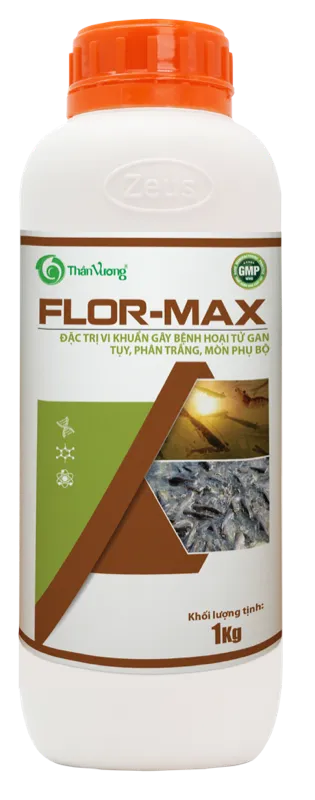
FLOR-MAX
For bacteria causing hepatopancreatic necrosis, white feces and appendage erosionTreatment of intestinal bacterial infection caused by Edwardsiella ictaluri in Pangasius catfish, Basa. Oral solution with 20% Florfenicol — a broad-spectrum antibiotic that blocks bacterial protein synthesis. Use as labelled or as directed by a veterinarian.
- 20%
- Florfenicol (20 g/100 ml)
- 3 – 5 ml
- / kg of feed (shrimp, treatment)
- 5 – 7 days
- course for shrimp
- 12 days
- withdrawal before harvest
- Form
- Oral solution
- Pack
- 500 ml, 1 kg
- Reg. no.
- LA.TS6-08
- Certificate
- 3316/GCN-CNTY-QLT
White feces and swollen hepatopancreas: the right response
Shrimp eat less, white feces, swollen hepatopancreas
- 1
Less feeding, trailing feces
Shrimp eat less with long feces trailing from the tail; loose feces in the check tray.
- 2
Floating white feces
White feces float on the surface and gather in pond corners.
- 3
Broken gut line
The gut is not full of feed; unusual gut and feces color.
- 4
Swollen or shrunken HP
The hepatopancreas swells or shrinks and changes color; weak shrimp, early mortality.
White feces has many causes — antibiotics only work on bacteria
- Vibrio spp. bacteriaThe main cause — antibiotics work
- Gut parasitesGregarines, microsporidia — antibiotics do not work
- Algal toxins, feedDead dinoflagellates, blue-green algae, spoiled feed
- Pond and weatherPoor bottom, weather and salinity swings
For shrimp, pangasius and basa
- Shrimp
Vibrio spp. causing hepatopancreatic necrosis, white feces, appendage erosion
Early mortality caused by Vibrio spp. Treatment 3 – 5 ml/kg feed for 5 – 7 days in a row.
- Shrimp
Swollen hepatopancreas, atrophy, loose gut
Treats swollen or shrunken hepatopancreas and loose gut caused by bacteria; restores hepatopancreas color.
- Pangasius, basa
Intestinal infection caused by Edwardsiella ictaluri
In-feed once a day for 7 – 10 days; dose by fish age.
Florfenicol stops bacterial protein synthesis
Florfenicol is a phenicol, a broad-spectrum antibiotic active against many gram-negative and gram-positive bacteria. It enters the bacterial cell, binds the 50S ribosomal subunit and blocks protein synthesis — the bacteria stop growing and multiplying. As a solution it mixes evenly and soaks into feed.
From feed to the bacterium
- Mixed into feedEaten into the gut
- Enters the bacteriumCrosses the cell membrane
- Binds 50S ribosomeBlocks protein synthesis
- Bacteria stop growingCannot multiply
- 01
Broad spectrum
Active against many gram-negative and gram-positive bacteria.
- 02
Protein blocker
Binds the 50S ribosomal subunit and stops protein synthesis.
- 03
Oral solution
Easy to dilute, mixes evenly and soaks into feed.
- 04
In-feed
Reaches the gut — where the disease-causing bacteria are.
Dosage by species
As labelled.- Shrimp — treatment3 – 5 ml / kg of feed5 – 7 days in a row
- Shrimp — prevention (as labelled)2 – 3 ml / kg of feed3 – 4 days per round
- Pangasius, basa under 2 months1 L / 1,000 – 1,400 kg of feedOr 1 L per 15 – 20 t of fish; once a day, 7 – 10 days
- Pangasius, basa over 2 months1 L / 600 – 1,000 kg of feedOr 1 L per 20 t of fish; once a day, 7 – 10 days
How to mix into feed
- 1Shrimp: dilute in clean waterUse just enough clean water and mix evenly into the feed.
- 2Shrimp: coat and dry 20 minutesSeal with a suitable binder, dry for 20 minutes, then feed.
- 3Fish: mix with 20% of the day’s feedMake sure every fish gets the drug.
- 4Fish: pellet feedDilute in clean water (1 L water per 6 – 7 kg pellets), spray evenly, air-dry for 30 minutes.
Dosage may vary with actual pond conditions and the level of infection. Close the bottle or can right after use if not finished.
Reference amounts from the label — use as directed by a veterinarian or technician.
Right disease, right dose, full course
- 01Right diseaseWhite feces has many causes; confirm a bacterial cause first — as directed by a vet or technician.
- 02Right dose, full courseShrimp treatment 3 – 5 ml/kg feed for the full 5 – 7 days; do not stop early or overdose.
- 03Fix the root causeAlso improve the pond bottom, water quality and feed.
- 04Withdrawal before harvestStop use 12 days before harvest.
!FLOR-MAX is a veterinary medicine containing an antibiotic. Use as labelled or as directed by a veterinarian.
Registration
| Active ingredient | Florfenicol 20 g/100 ml |
| Dosage form | Oral solution (in-feed) |
| Pack | 500 ml, 1 kg |
| Registration no. | LA.TS6-08 |
| Certificate | 3316/GCN-CNTY-QLT |
| Withdrawal before harvest | 12 days |
| Manufacturer | Than Vuong GMP-WHO factory |
Composition · NotesComposition and notes
Composition
Florfenicol: 20g; Solvent q.s. 100ml.
Phenicol-class antibiotic.
Notes
- Packaging
- Close the bottle or can right after use if the product is not finished.
- Medicated feed
- Shrimp: dry for 20 minutes; fish: air-dry for 30 minutes before feeding.
- Harvest
- Stop use 12 days before harvest.
Previous pageDetailed article
Information about shrimp gut
- The shrimp gut is also a crucial part of the body.
- However, for shrimp, the structure of the gut is very simple, making it highly susceptible to the external environment (bacteria, algal toxins, toxins from feed).
- In summary, the shrimp digestive system and hepatopancreas are very simple and easily affected (hepatopancreatic-related issues develop very quickly).
Signs of shrimp gut disease
Shrimp reduce feed intake, long, stringy feces attached to the tail.
Loose feces (visible when observing shrimp in a cast net).
White feces (floating on the water surface).
Discontinuous gut (gut not full of feed).
Abnormal gut color, abnormal fecal color (yellowish, reddish-brown, white).
Causes of shrimp gut disease
- There are many different causes of disease related to the water source at the time of intake, feed, pond bottom environment, season, weather, salinity, or poisoning due to ingesting dinoflagellate or blue-green algae remains, deteriorated pond environment, and many other objective causes.
- The main causes are still Vibrio sp. strains, which invade and attack the gut, or bivalve mollusks such as clams, mussels, etc.
+ Parasites in the gut: Gregarine, ATM, microsporidian EHP.
+ Secrete toxins that damage the intestinal lining (enteritis).
+ Shrimp reduce feed intake, cannot eat (discontinuous, empty gut).
+ Increases susceptibility to other opportunistic diseases.
Most of the issues listed above affect the digestive system and gut health of shrimp.
FLOR MAX's main ingredient is Florfenicol, a fast-acting antibiotic that causes less drug resistance, and has no side effects on livestock and humans. A major advantage of Florfenicol antibiotics currently is their sensitivity to pathogenic bacteria strains caused by the Vibrio sp. group, especially white feces disease.
Mechanism of action of Florfenicol antibiotic
Florfenicol has activity against bacterial growth by preventing peptide bonds between amino acids, thereby inhibiting protein synthesis, rendering bacteria unable to grow and survive.
Florfenicol is less resistant than other generation antibiotics in the phenicol group because florfenicol contains a fluorine atom at the C3 position, which can resist the transmission of antibiotic resistance-causing plasmids in pathogenic bacteria.
An indispensable note in the process of treating gut disease is to adjust the environment: disinfect pond water, change water, and re-seed high-dose probiotics. Re-establishing a good environment for farmed shrimp at this time will be a great advantage for achieving the most optimal treatment effectiveness.
Contraindications
Animals sensitive to any component of the drug.
Instructions for use
For shrimp:
- Specifically treats Vibrio spp bacteria causing hepatopancreatic necrosis, white feces, appendage erosion, etc., common in shrimp, and early mortality syndrome.
- Treats symptoms of hepatopancreatic swelling, liver atrophy, loose gut, and adjusts shrimp hepatopancreas color. Fast-acting and causes less drug resistance during treatment.
Prevention: 2 - 3 ml/kg feed. Continuously for 3 - 4 days/course.
Treatment: 3 - 5 ml/kg feed. Continuously for 5 - 7 days.
- Mix the product with sufficient clean water, thoroughly blend into the feed, coat with an appropriate binder, and let dry for 20 minutes before feeding shrimp.
Note: Dosage may vary depending on actual conditions and the severity of infection in the pond.
For fish:
Dosage:
- Fish under 2 months old: 1 liter/15 – 20 tons of fish or 1 liter/1,000 – 1,400 kg of feed.
- Fish over 2 months old: 1 liter/20 tons of fish or 1 liter/600 – 1,000 kg of feed.
Method of use: Mix into feed, once daily, continuously for 7 – 10 days.
Mix the required amount of medicine with approximately 20% of the daily feed and ensure all fish consume the medicine. If using pelleted feed, dissolve in clean water with a sufficient amount of water (1 liter of water/6 – 7 kg of pelleted feed), then evenly spray onto the feed. Let the feed air dry for 30 minutes before feeding fish.
Note:
- Dosage may vary depending on actual conditions and the severity of infection in the pond.
- Close the bottle/container lid immediately after use if the product is not fully consumed.
Withdrawal period
Stop using the medicine 12 days before harvest.
Storage
Store in a dry, cool place, away from direct sunlight. Keep out of reach of children.
Storage temperature not exceeding 30oC.
FAQFrequently asked questions
- What is FLOR-MAX used for?
- Treatment of intestinal bacterial infection caused by Edwardsiella ictaluri in Pangasius catfish, Basa
- How to use FLOR-MAX?
- For shrimp: - Specifically treats Vibrio spp bacteria causing acute hepatopancreatic necrosis disease (AHPND), white feces syndrome, appendage erosion, etc., common in shrimp, and early mortality syndrome. - Treats symptoms of hepatopancreas swelling, hepatopancreas atrophy, loose gut, and regulates shrimp hepatopancreas color. Fast-acting and less likely to induce drug resistance during treatment. + Prevention: 2 - 3 ml/kg feed. Continuously for 3 - 4 days/course. + Treatment: 3 - 5 ml/kg feed. Continuously for 5 - 7 days. - Dilute the product with an adequate amount of clean water, mix thoroughly with feed, coat with a suitable binder, and air dry for 20 minutes before feeding to shrimp. For fish: Dosage: - Fish under 2 months old: 1 liter/15 – 20 tons of fish or 1 liter/1,000 – 1,400 kg of feed. - Fish over 2 months old: 1 liter/20 tons of fish or 1 liter/600 – 1,000 kg of feed. Directions for use: Mix with feed, once daily, continuously for 7 – 10 days. Mix the required amount of product with approximately 20% of the daily feed ration, ensuring all fish consume the medicated feed. If using pelleted feed, dissolve in an adequate amount of clean water (1 liter of water/6 – 7 kg of pelleted feed), then spray evenly onto the feed. Allow the feed to air dry naturally for 30 minutes before feeding to fish. Note: - Dosage may vary depending on actual conditions and the severity of infection in the pond. - Close the bottle/container cap tightly immediately after use if the product is not fully consumed.
- What packaging does FLOR-MAX come in?
- FLOR-MAX comes in 500 g, 1 kg.
- Main benefits of FLOR-MAX?
- Treatment of intestinal bacterial infection caused by Edwardsiella ictaluri in pangasius and basa fish. Treat Vibrio causing white feces disease, hepatopancreatic necrosis, and appendage erosion in shrimp.
Product Reviews
No reviews yet. Be the first!
What pairs well with this product?
FLOR-MAX is often used with other Veterinary Medicine products under a technician’s protocol.
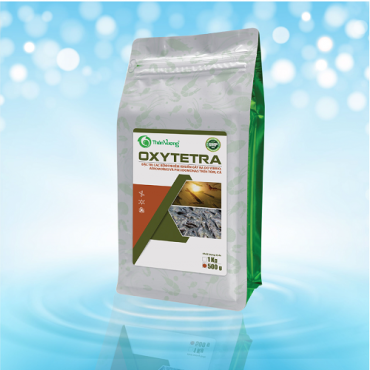 OXYTETRATreat hemorrhagic enteritis caused by Aeromonas/Pseudomonas in pangasius; treat luminous vibriosis caused by Vibrio in shrimp larvae
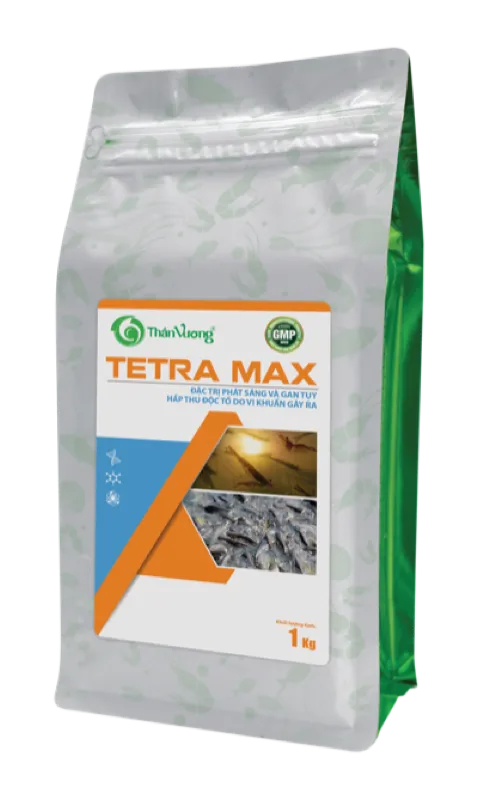 TETRA MAXTreat intestinal hemorrhage caused by Aeromonas, Pseudomonas in fish; treat luminescence caused by Vibrio in shrimp
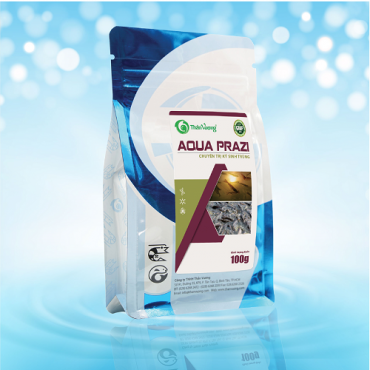 AQUA PRAZITreatment of monogeneans, fish lice, liver flukes, and tapeworms in fish
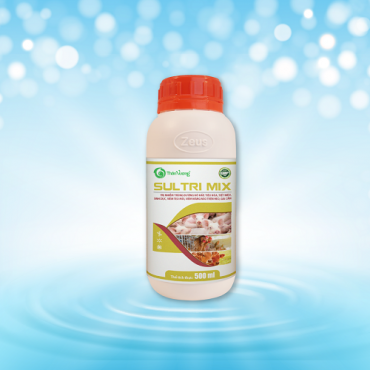 SULTRI AQUATreat luminous Vibrio in shrimp; red spot and hemorrhagic disease caused by Aeromonas, Pseudomonas in freshwater fish.
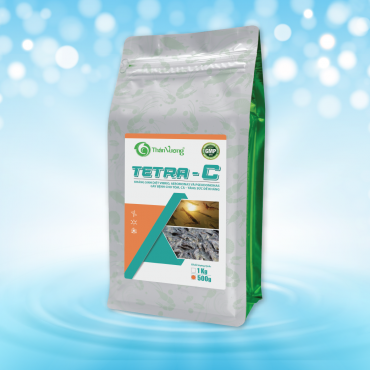 TETRA-CTreats luminous disease caused by Vibrio in shrimp and intestinal hemorrhage caused by Aeromonas, Pseudomonas in pangasius
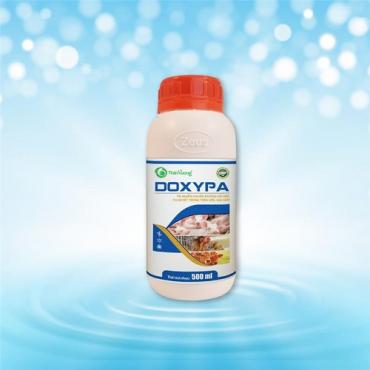 DOXYPATreat respiratory bacterial infections, pasteurellosis in pigs, poultry
Shrimp showing white feces or a swollen hepatopancreas?
Message us on Zalo or call the hotline — Thần Vương’s technical team will help find the cause and the protocol, reply within 24h.