Nursery stage
Sensitive fry — high mortality
Pangasius fry are nursed at high density, feed continuously and are very sensitive. Good water and nutrition here lift survival and fingerling quality.

Pangasius fry / fingerling — Nursery
The fry-to-fingerling nursery stage decides whole-crop survival. Fry are sensitive and die easily from a foul nursery, parasites and early bacillary necrosis. Than Vuong: clean nursery + strong digestion + immunity + early disease control.

01 / 06
Quick answer
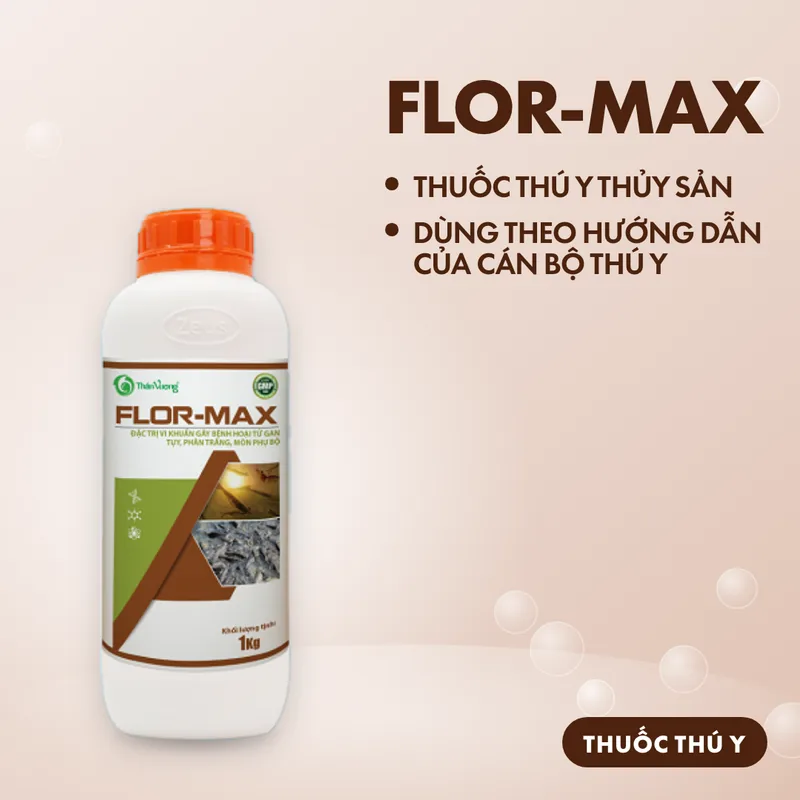
A successful pangasius nursery needs: (1) a clean tank/pond — SOILMAX New, NIAZYME probiotics, YUCCA C for toxic gas, gentle water exchange; (2) digestion and immunity support with PRO F, BIOMAX, ACTISEL, AQUAMOS; (3) early disease control: Edwardsiella ictaluri necrosis often appears at the fingerling stage → FLOR-MAX; parasites (Trichodina, flukes) → AQUA PRAZI. Fry are very sensitive — dose carefully and avoid shock.
Nursery stage
Pangasius fry are nursed at high density, feed continuously and are very sensitive. Good water and nutrition here lift survival and fingerling quality.
Nursery water
Excess fine feed spikes NH3 in small nursery tanks/ponds. Probiotics + gentle exchange keep water clean and reduce fry loss.
Digestion & immunity
Fry guts are immature and easily upset. Digestive enzymes and yeast aid absorption, with immune support to keep fry strong and reduce loss.
Early disease
Bacillary necrosis (Edwardsiella ictaluri) and parasites (Trichodina, flukes) often hit fingerlings. Early detection and gentle dosing save the batch.
02 / 06
Three things matter at the start: control bacteria and algae, keep pH and oxygen stable, and have enough Moina (water fleas) as live food when the fry go in.
Apply at 9 a.m., once the pond is filled to level.
Apply FYTO FLOC together with GROWMIN; ferment NIAZYME with powdered feed in 50–60 L of water and ladle the mix into a bucket for each application.
At fry stocking
Dashed chips: common farm inputs, not Than Vuong products. Sources: Than Vuong technical team — 15-day pangasius fry nursery protocol (2024, updated 2026) · Ministry of Science & Technology — pangasius nursery · FAO — Striped catfish fact sheet
03 / 06
A schedule by days after stocking. Shorten or extend it with the weather and the fish; check the water daily and act fast on sudden changes.
Days 1–10
Days 11–15
Days 15–25
Use clean source water; check pH, NO₂ and H₂S regularly.
Week 4 → 40 fish/kg
In the rainy season, below 28 °C water, bacillary necrosis kills the most fingerlings (Can Tho University).
Dashed chips: common farm inputs, not Than Vuong products. Sources: Than Vuong technical team — 15-day fry nursery protocol · Than Vuong technical team — Preventing tail rot in pangasius fingerlings (2024) · QCVN 02-33-2:2021/BNNPTNT · Ministry of Science & Technology — pangasius nursery · FAO — Striped catfish fact sheet · Can Tho University — common pangasius diseases · Than Vuong technical team — staged deworming · Doses from Than Vuong product labels
04 / 06
Pick by what you see at the pond. Each protocol lists doses, a day-by-day schedule and the withdrawal period.
05 / 06
26 products in 6 groups.
 FYTO FLOCNatural tea-colour water, builds and steadies the pond base
 SOILMAX NewConcentrated bottom probiotics, decompose organics, cut toxic gas
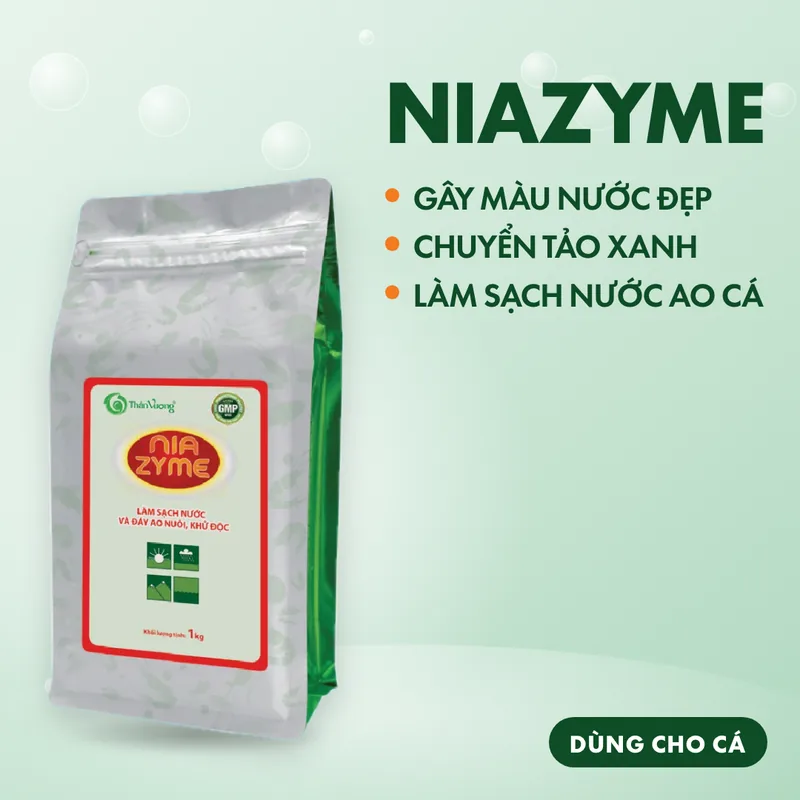 NIAZYMEClean water & bottom, remove toxic gas, build water color
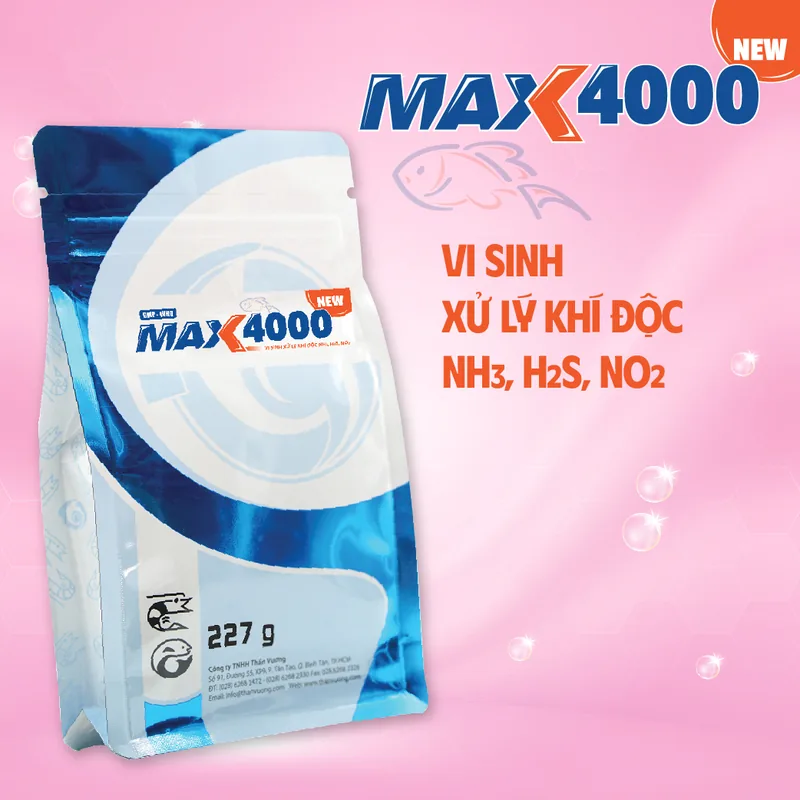 MAX 4000Broad-salinity probiotics, strong at low-oxygen bottom, cut NH3/NO2/H2S
 AQUA PRO4000XBroad-salinity probiotics treat bottom/water, control algae — fresh & marine
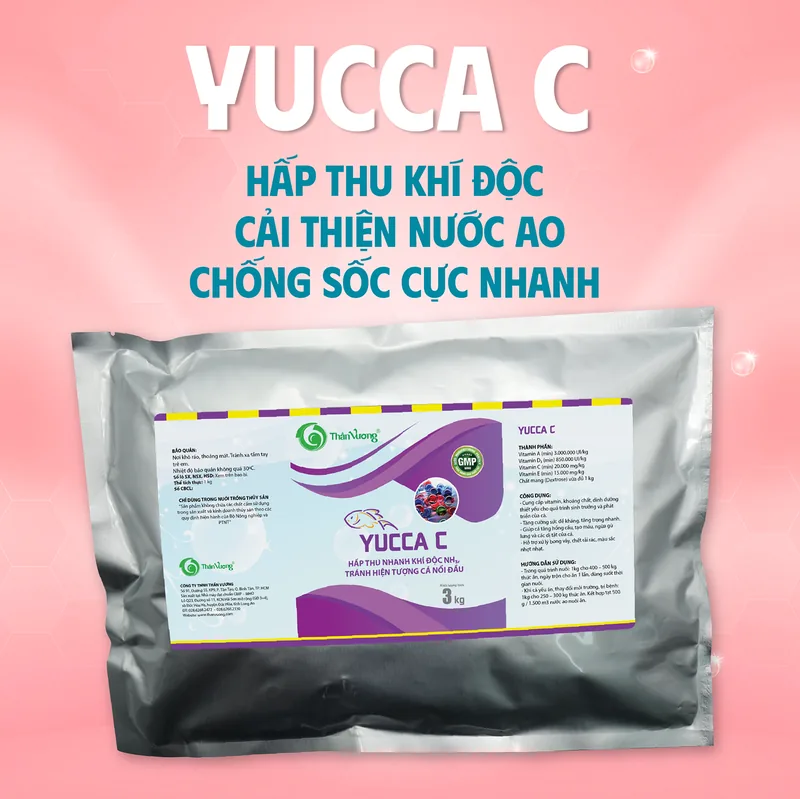 YUCCA CFast NH3 absorption, anti-shock, stabilize environment
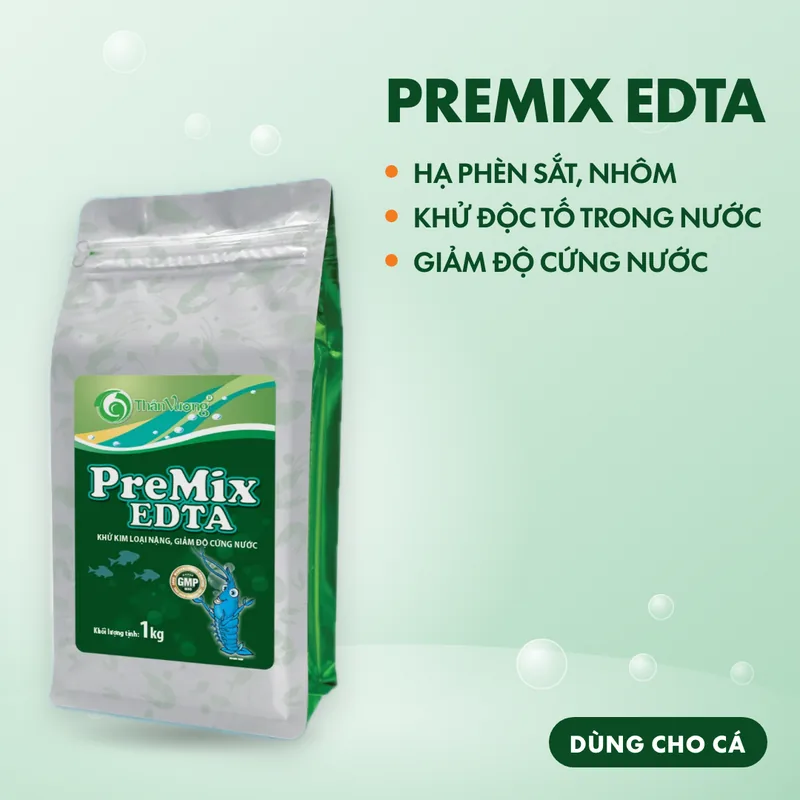 PREMIX EDTAChelate heavy metals, reduce acid-sulfate (iron, aluminum, manganese)
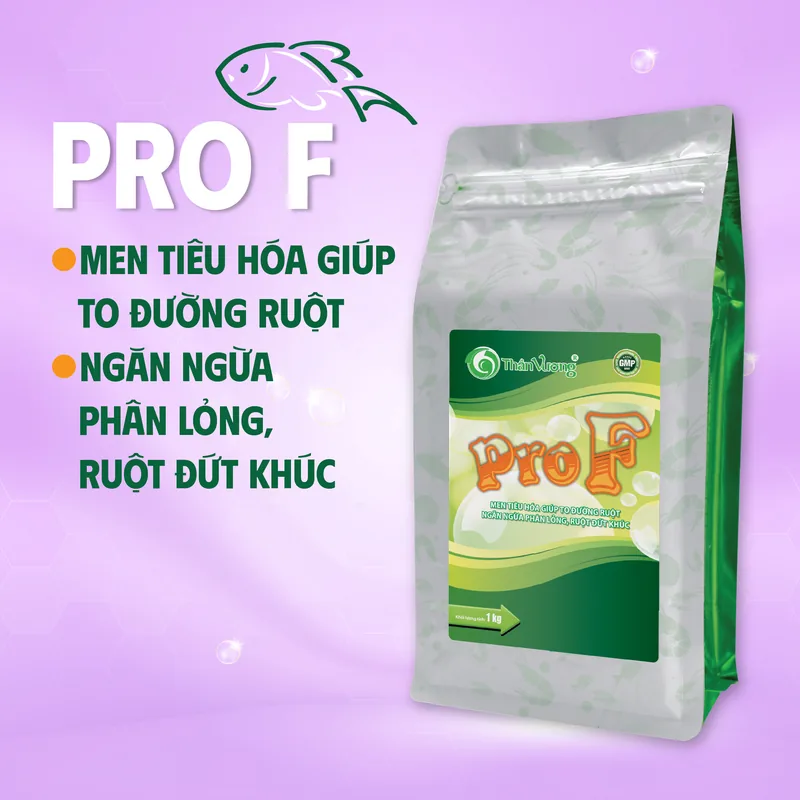 PRO FProbiotic for gut support, better digestion in fingerlings
 BIOMAXYeast boosts immunity, balances gut microbiome
 ACTISELLive yeast balances gut microbes, stimulates feeding
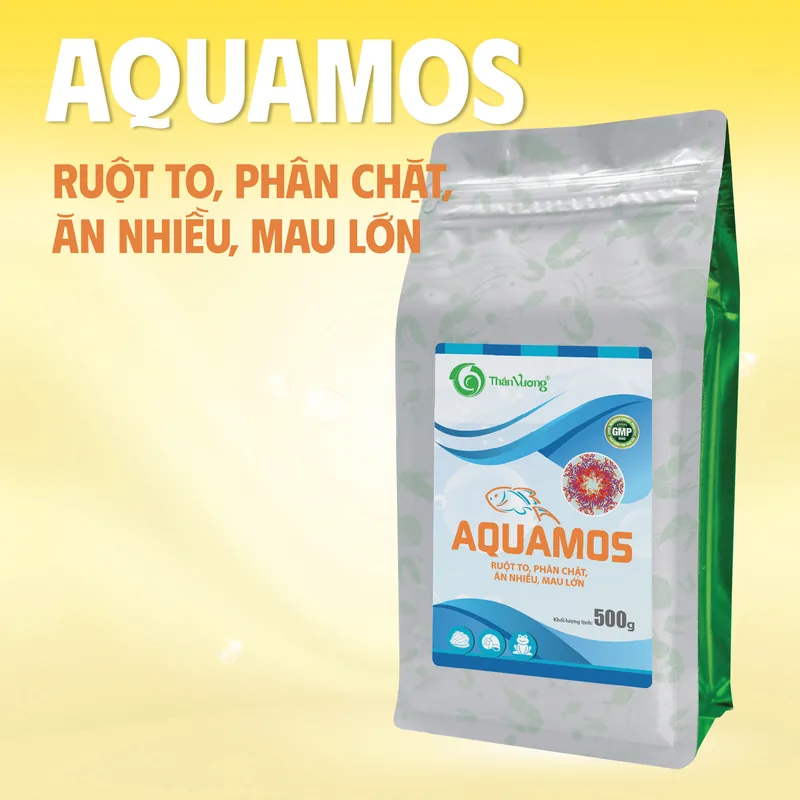 AQUAMOSYeast nutrients stimulate immunity, healthy gut, faster growth
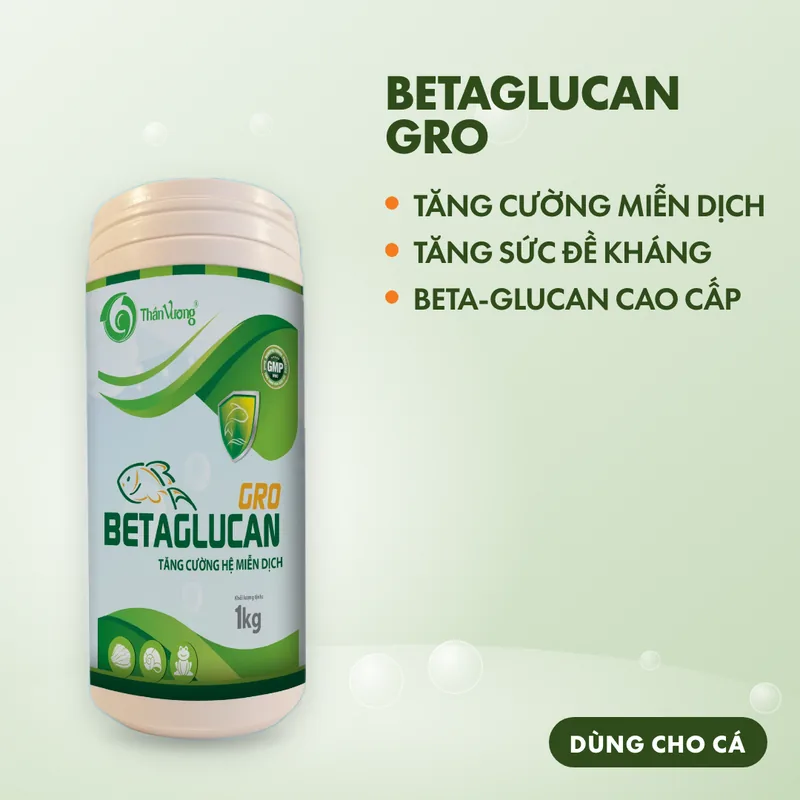 BETAGLUCAN GROBeta-glucan boosts health, stimulates natural immunity
 CLEVERYeast protein that supports gut microbial balance
Use gentle doses for fingerlings, under guidance.
06 / 06
Keep nursery water clean (SOILMAX New, NIAZYME, YUCCA C, gentle exchange), support fry digestion and immunity (PRO F, BIOMAX, ACTISEL, AQUAMOS) and detect disease early (scope parasites, watch the liver). Feed to appetite, avoid leftover fine feed.
Usually fast toxic-gas rise in the nursery, parasites (Trichodina, flukes) or early necrosis. Check water, scope parasites and watch the liver to treat the right cause.
Treat with FLOR-MAX at a careful, size-based dose (fingerlings are drug-sensitive), with HERB GUARD for liver recovery and reduced feeding. Observe withdrawal.
Apply SOILMAX New + NIAZYME regularly; use YUCCA C to absorb NH3 when high; exchange water gently and avoid leftover fine feed.
Than Vuong's technical team designs a free protocol for your pond or cage — reply within 24h.
Aquaculture technical assistant