Working hours: Mon - Fri | 08:00 - 17:00HOTLINE: 0867 95 7568
Official technical document · In-depth edition

Microbiome Farm Protocol

Prevention beats treatment — by building a microbial ecosystem across the entire crop.

05
challenges farmers face
03
layers that keep the pond stable
04
crop stages
05
solution pillars
Version: 2026.04·For: Whiteleg shrimp (P. vannamei) + Black tiger shrimp

Overview video · 42 seconds

01/ 06

Challenges shrimp farmers face

Five challenges weigh on the shrimp industry, and they are not the same kind.

Section 01 in 38 seconds

Key points

  • Three diseases come from a single agent (WSD, EMS, TPD) — name it and you can block it.
  • EHP works quietly: shrimp still live and eat, they just grow slowly and weaken.
  • WFS — the most common — is the sum of several causes, EHP among them.
  • No single drug solves WFS: build a healthy microbiome before the outbreak.
WSD

White Spot Disease

EMS

Early Mortality Syndrome

TPD

Translucent Postlarvae Disease

EHP

Hepatopancreatic microsporidiosis

⚠ No obvious signs
WFS

White Feces Syndrome

⚠ Multi-causal
Next02 · Three layers, one stable pondThe pathogens are always there. So what decides whether they act?
02/ 06

Three layers keep the pond in the stable zone

Disease does not erupt because pathogens appear, but because the pond slides out of its stable zone.

Section 02 in 40 seconds

Key points

  • Pathogens are almost always in the pond — disease erupts when the pond slides out of its stable zone.
  • Three layers work at once: the pond water, the shrimp gut and the shrimp itself.
  • In the gut, the ratio of beneficial, opportunistic and pathogenic bacteria decides whether shrimp thrive.
  • The three layers run in parallel, not as substitutes — drop one and the other two cannot carry it.
POND

Pond bottom & water microbiome

FYTO FLOC + SOILMAX New + LALSEA BIOREM + MAX 4000 + OZYME

GUT

Shrimp gut microbiome

BIO MAX + PRO SUR + PRO GUT + FLASH + CLEVER + ACTISEL

HOST

Host (shrimp) support

LALPACK IMMUNE + HERB GUARD + AQUAMOS + CANFORTA + CELL CANPHOS GOLD + CALPHOS GRO

  • Low riskhigh diversity — the pond recovers fast after a shock, outbreaks are rarer
  • Rising riskdiversity slipping — recovery weakens and risk creeps up
  • High risklow diversity — the pond struggles to recover and outbreaks come easily
POND WATER
2.0004.0006.0000102030Days since the first samplingBacterial diversity indexT5 · day 0T5 · day 11T5 · day 18T5 · day 25T5 · day 31T6 · day 0T6 · day 7T6 · day 13
  • T5
  • T6
SHRIMP GUT
2.0004.0006.0000102030Days since the first samplingBacterial diversity indexGIT5 · day 0GIT5 · day 7GIT5 · day 14GIT5 · day 20GIT6 · day 0GIT6 · day 6
  • GIT5
  • GIT6

The horizontal axis counts days from the FIRST SAMPLING, not from stocking. Monitoring data from ponds running the protocol: both the pond water and the shrimp gut hold their diversity index in the low-risk zone throughout. Values digitised from the original monitoring chart.
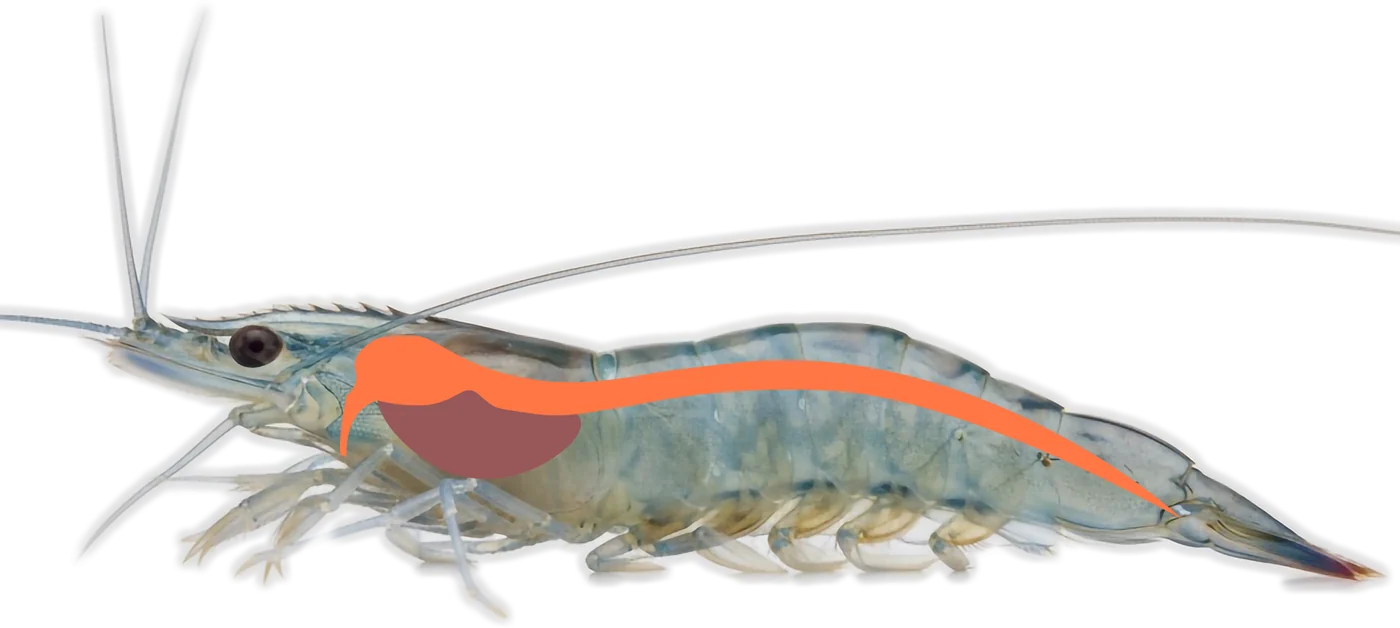
A closer look at the GUT layer

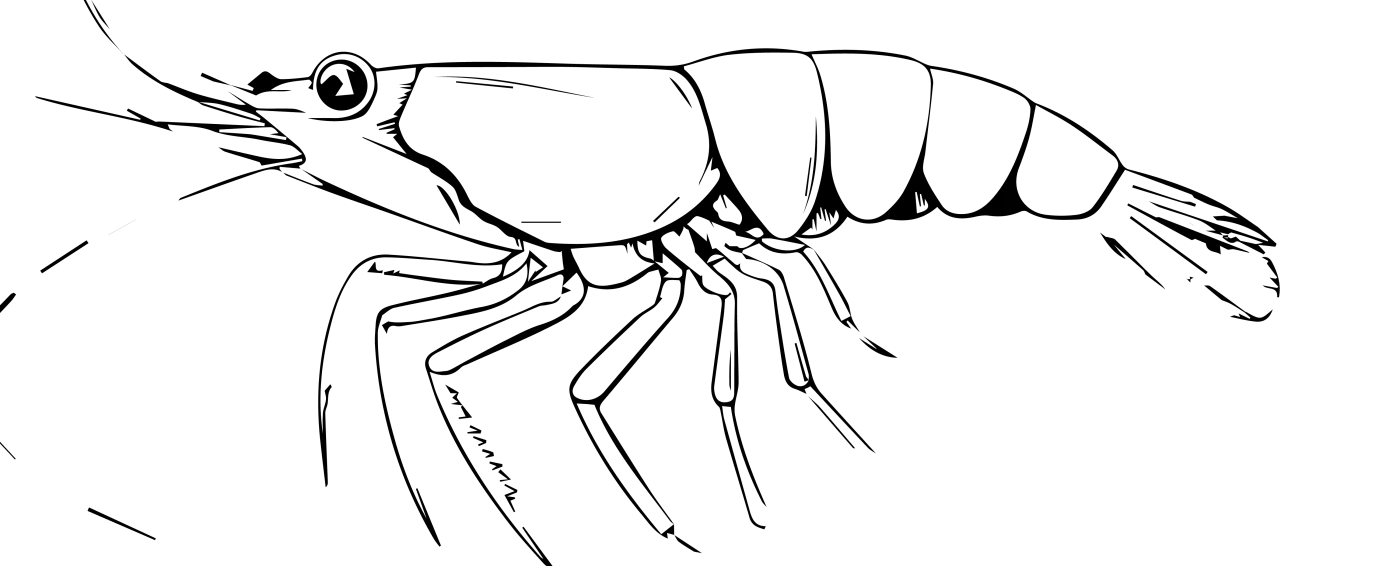
Side view of a whiteleg shrimp with the gut highlighted in orange along the back and the hepatopancreas behind the head in dark red.HEPATOPANCREASreserves, detox, immunityGUTwhere the microbiome lives
The two places that decide shrimp health sit next to each other: the gut running along the back and the hepatopancreas just behind the head.
The shrimp gut holds
  • Yeasts
  • Protozoa
  • Viruses
  • Bacteria

All four are present. But the group that decides whether the pond holds or collapses is BACTERIA — and it is also the only one a farmer can steer, through feed and probiotics.

Beneficial

  • Bacillus
  • Lactococcus
  • Lactobacillus
  • Pediococcus
  • Bifidobacterium
  • Rhodopseudomonas

Opportunistic

  • Pseudomonas
  • Flavobacterium

Pathogenic

  • Vibrio parahaemolyticus
  • Vibrio harveyi
  • EHP

Reference: Cornejo-Granados et al., 2017 — Scientific Reports

Balance the three and the pond holds

The pond sits on the wobble ridge

Heavy rain, algae crash, oxygen drop, transfer — the pond is pushed off its footing.

Outcome: slower growth, easier infection, lower survival — treatment costs many times more than prevention.

  • Stable basin — deep, hard to push out of
  • Wobble ridge — shallow, tips without warning
STABLE BASINWOBBLE RIDGE??LALPACK IMMUNE+ AQUAMOS + PRO GUT
03/ 06

Crop map — what, which layer, when

Rows are the three layers, columns the four crop milestones, each bar one job. Numbered bars are the 5 pillars.

Pond prepDay −7 → 0Build microbiome foundation pre-stocking
Early grow-outDay 1 → 30Gut microbiome — prevent WFS at root
Mid grow-out⭐Day 30 → 60Stabilise water + bottom — control Vibrio
FinishingDay 60 → harvestHepatopancreas + shell + size
POND WATERbottom, colour, toxic gases
FYTO FLOCcolour, pH & algaeDay −7 → harvest
SOILMAX New · MAX 4000 · OZYMEbottom prep
LALSEA BIOREM · SOILMAX Newwater & bottom, mid crop
05CELL CANPHOS GOLDwater mineral via gills
SHRIMP GUTgut microbial base
HOSThepatopancreas, immunity, minerals
LALPACK IMMUNEimmunity — before stress arrivesDay 1 → harvest
03HERB GUARDhepatopancreas, mid crop
CANFORTA · ACTISEL · AQUAMOSshell hardening, sizing
05CALPHOS GROfeed-mixed mineral

Pathogens are present all crop longWSD · EMS · TPD · EHP · WFS

Scroll for all 4 phases · tap a numbered bar to jump to that pillar

Next04 · 5 solution pillarsThe five pillars from the Microbio Farm chart — tap a product for details.
04/ 06

5 Than Vuong solution pillars

Postbiotic + specialized probiotics raise pond carrying capacity, combined with gut health, hepatopancreas & immunity, EHP control and absorbable minerals.
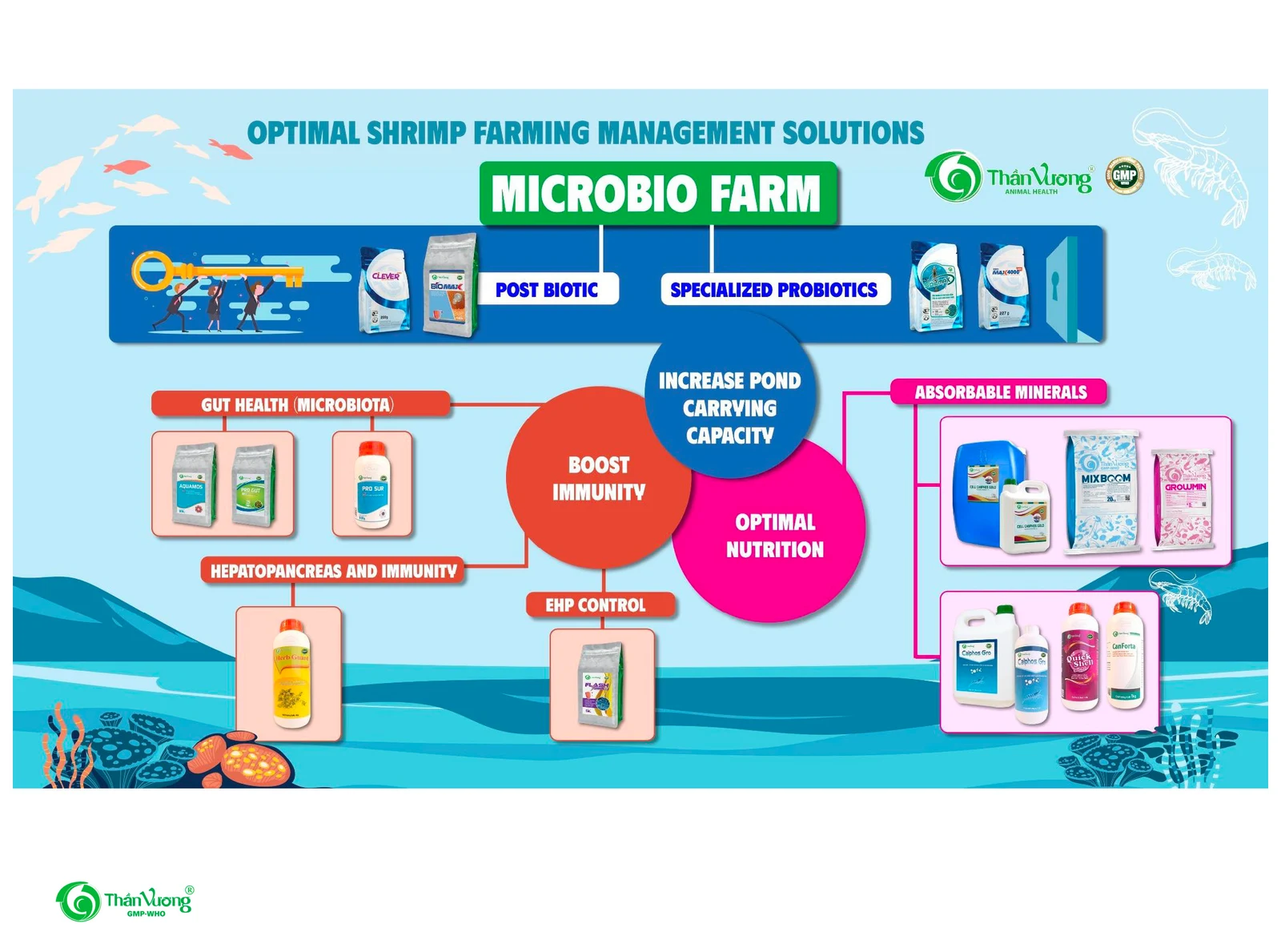
Microbio Farm overview: postbiotic + specialized probiotics raise pond carrying capacity, combined with gut health, hepatopancreas & immunity, EHP control, absorbable minerals and optimal nutrition.
03

Hepatopancreas & immunity

→ Boost immunity
04

EHP control

→ Boost immunity
Next05 · Customer successWhat these five pillars produced in real ponds.
05/ 06

Customer success with Microbiome Farm Protocol

Results from partner farms that applied the protocol.
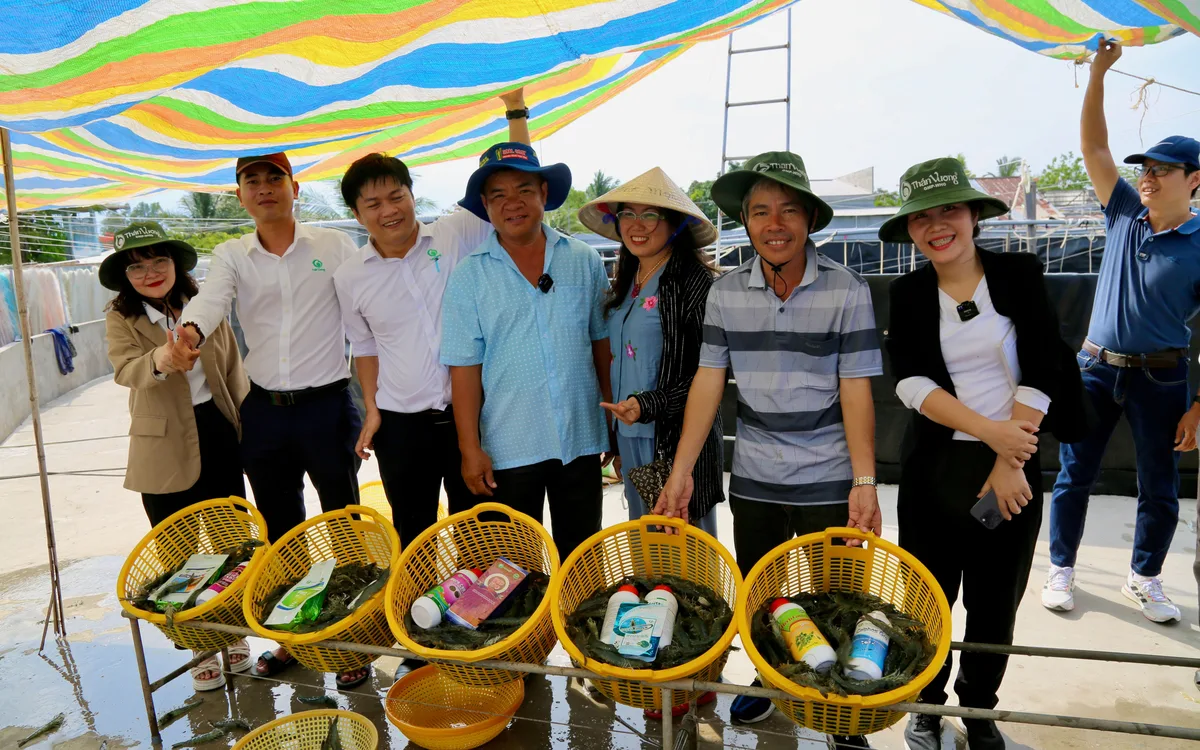
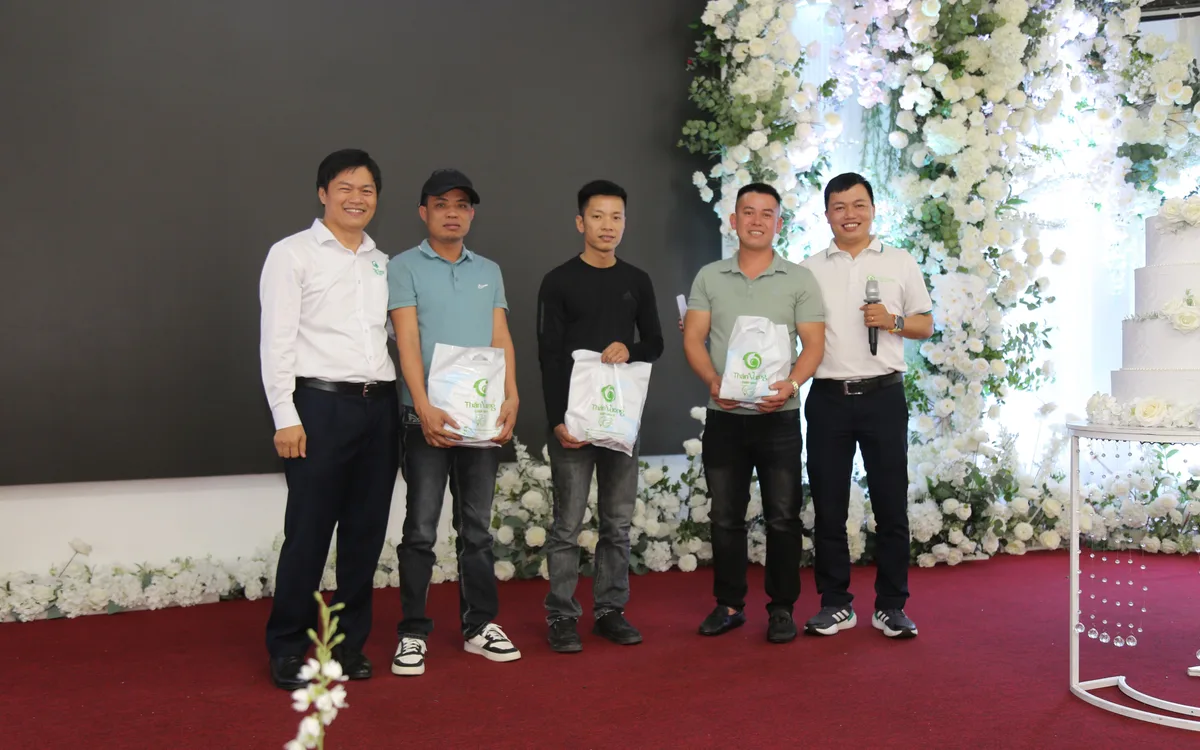
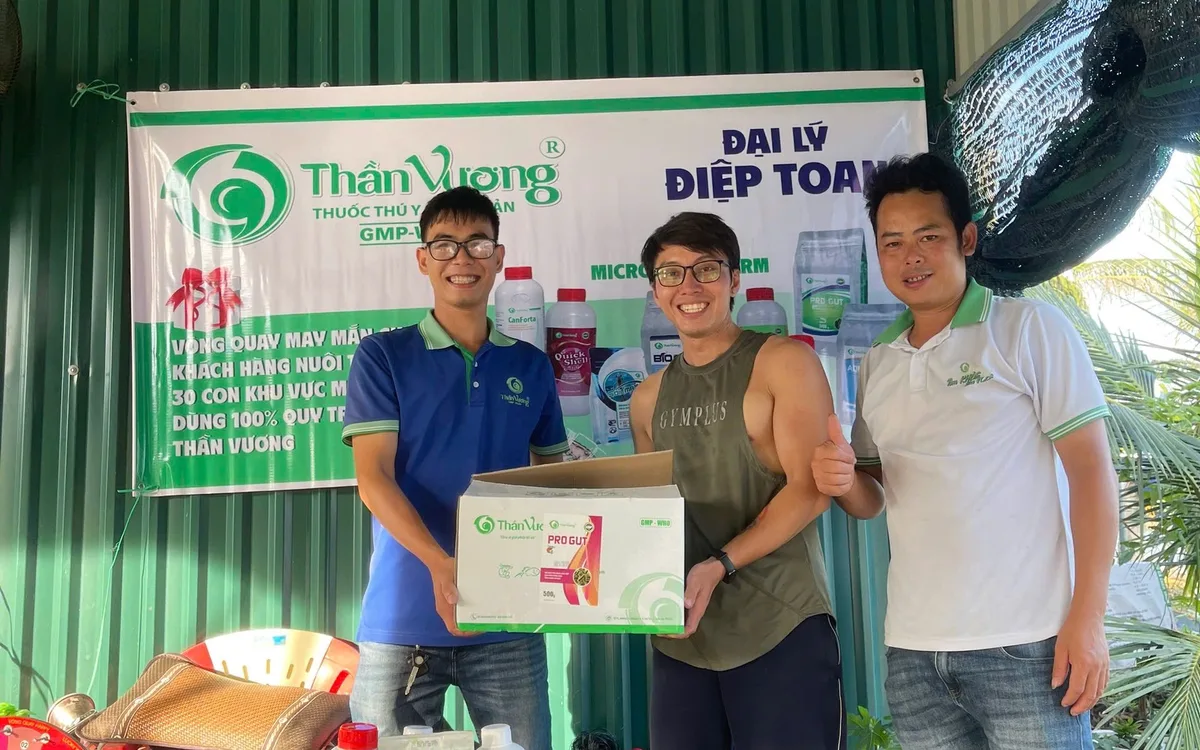
Successful customers in Soc Trang
Successful customers in Quang Ninh

Have you applied the Microbiome Farm Protocol and want to share your crop? Submit your story via Zalo →

Next06 · ReferencesThe studies behind the protocol — with DOIs you can look up.
06/ 06

References

  1. Cornejo-Granados et al. (2017) — Whiteleg shrimp gut microbiome — metagenomics analysis. Scientific Reports. DOI: 10.1038/s41598-017-11805-w
  2. Aranguren et al. (2021) — Etiology of WFS in Penaeus vannamei. Aquaculture. DOI: 10.1016/j.aquaculture.2020.736035
  3. Salminen et al. — ISAPP (2021) — ISAPP consensus definition of Postbiotic. Nature Reviews Gastroenterology & Hepatology. DOI: 10.1038/s41575-021-00440-6
  4. Hill et al. — ISAPP (2014) — ISAPP consensus definition of Probiotic. Nature Reviews Gastroenterology & Hepatology. DOI: 10.1038/nrgastro.2014.66
  5. Gibson et al. — ISAPP (2017) — ISAPP consensus definition of Prebiotic. Nature Reviews Gastroenterology & Hepatology. DOI: 10.1038/nrgastro.2017.75
  6. Prof. Orapint Jintasatporn — Personal reference on soft shell syndrome in shrimp. Kasetsart University, Thailand
  7. Zou et al. (2020) — TPD — emerging Vibrio pathogen. Aquaculture. DOI: 10.1016/j.aquaculture.2020.735581

Apply Microbiome Farm Protocol to your pond

Contact Than Vuong's technical team for a custom protocol based on your pond area, density, and stage.

Ask Than Vuong

Aquaculture technical assistant

Hello there 👋

Describe your pond issue or pick a question below.