I. Biological solutions focused on handling the bacteria that cause TPD
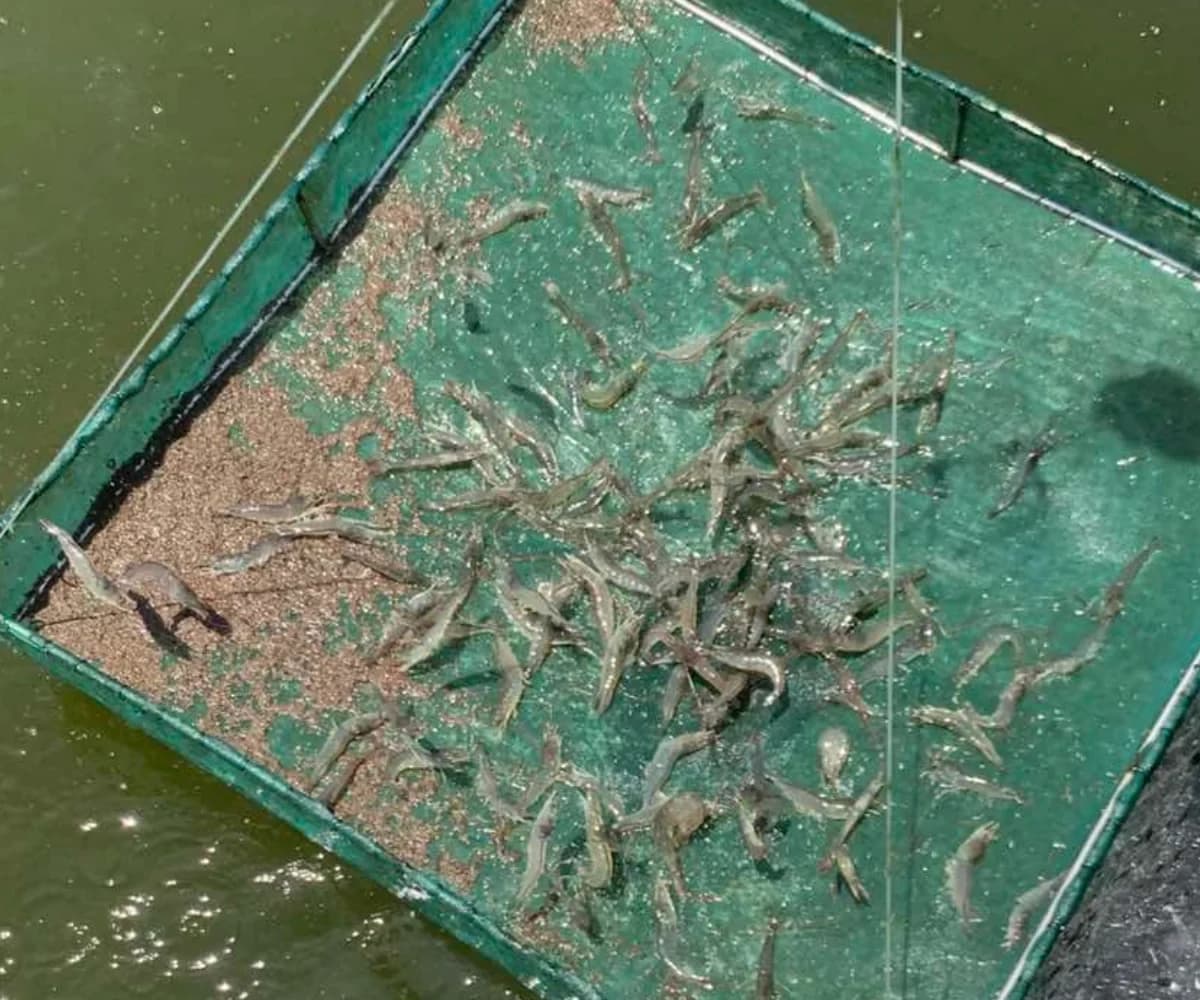
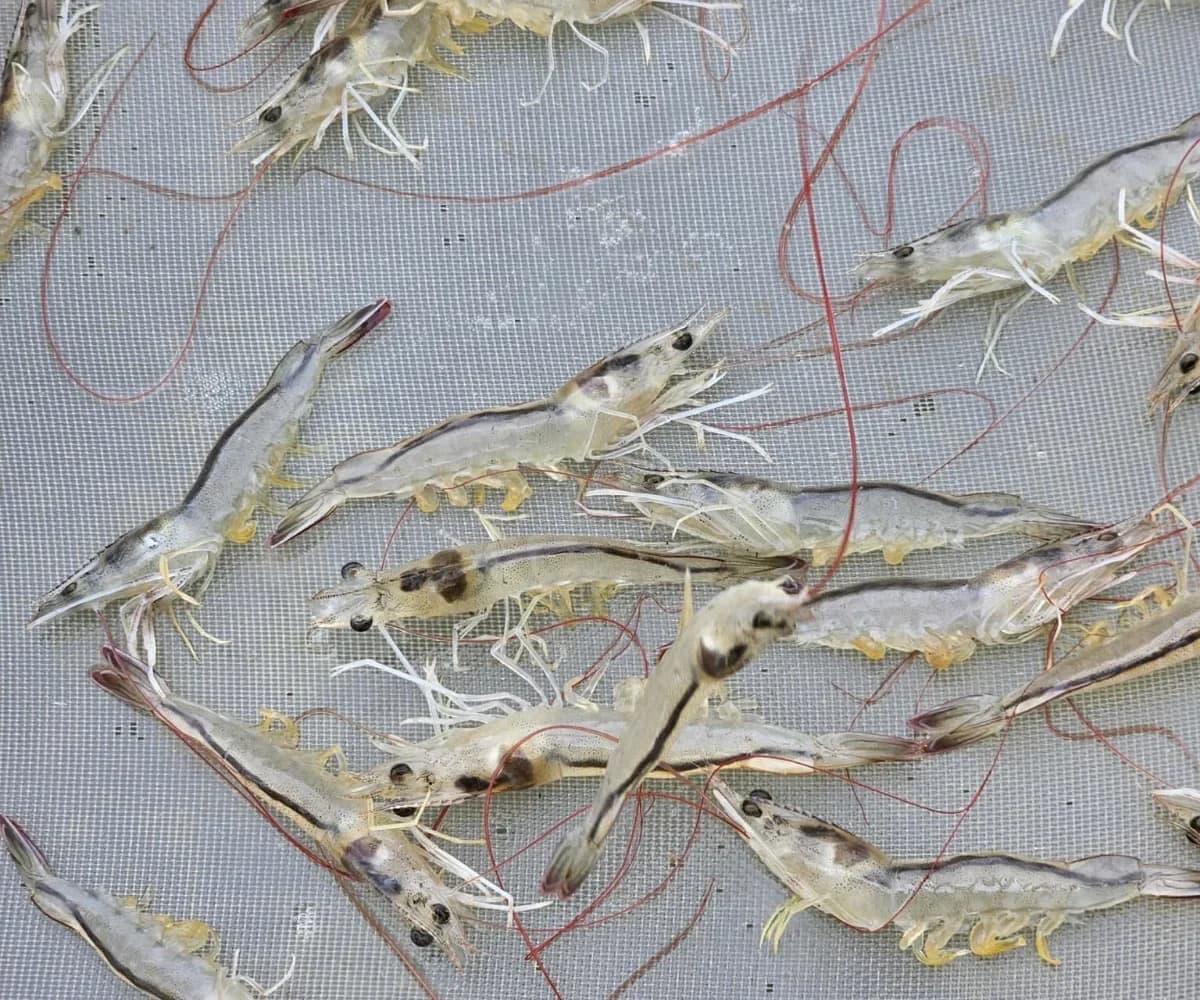
- TPD (translucent post-larvae disease) in whiteleg shrimp occurs at the post-larval stage, mostly in the first 30 days. At this stage the shrimp's body is not yet fully developed, and the shrimp grow and develop continuously through moulting. Their immune system, resistance and tolerance to environmental change are therefore often weakened, giving bacteria the chance to attack.
- After many trials, field tests and deployments of shrimp farming products against the disease, we have drawn the following key points for disease prevention:
1. Build and stabilise a beneficial microbial community and optimise the environment (Microbiome Farm)
- When a farm lies in a TPD outbreak area, managing pathogens is very difficult because the strains carrying this disease spread and multiply quickly.
- Tools: SOILMAX, MAX 4000 New.
- Purpose:
- Help compete with and inhibit the growth of Vibrio spp. in the water.
- Optimise the water: besides handling Vibrio spp. in the water, keeping environmental factors suited to the shrimp's biology also brings clear improvement, for example lowering salinity to reduce Vibrio spp., and keeping pH and toxic gases stable so the shrimp stay healthy.
When both the bacterial load and water quality are under control, the chance of keeping the shrimp stock and growing it through TPD is very high.
(Banner: Microbiome Farm biological farming process.)
2. Biological competition in the shrimp gut
- Besides environmental management, build a beneficial microbial community in the shrimp gut so that it competes for attachment sites and nutrients, stopping harmful bacteria from growing and producing toxins that are lethal to shrimp. This process has several stages:
- Tools: bacterial strains Lactobacillus plantarum, Bacillus subtilis, Pediococcus acidilactici, L. rhamnosus.
- Purpose:
- Reduce adhesion and inhibit Vibrio spp. through acidification and bacteriocin production.
- Increase digestive enzymes and improve the gut barrier, so Vibrio finds it hard to invade.
3. Suppressing bacteria that may carry the vhvp-2 gene
- When testing finds signs of Vibrio spp. carrying the vhvp-2 gene in shrimp samples, feed products that help reduce them or inhibit their growth; the shrimp's immune system then gradually clears them.
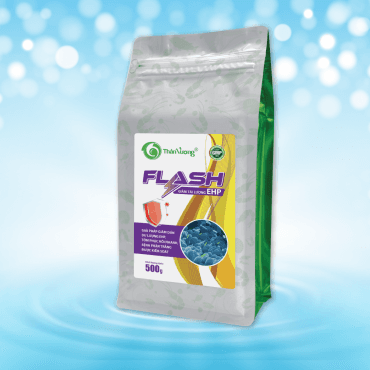
- Tools: medium-chain fatty acids (MCFA), lactic acid or microencapsulated formic acid (postbiotic products or acid blends such as PRO SUR, BIOMAX, FLASH) to help reduce Vibrio spp.
- Use peptides such as the lantibiotic nisin and bacteriocins (from Pediococcus acidilactici or Enterococcus faecium) to help inhibit bacteria while reducing shock and stress for the shrimp.
Aim: help block the transfer of plasmids carrying toxin genes between bacterial species (conjugative plasmid transfer).
Products pictured: PRO SUR, FLASH, BIOMAX.
4. Inhibiting biofilm formation and bacterial communication (quorum sensing) in the gut
- When bacteria live in the gut, they look for suitable attachment sites to form a population, either to multiply their biomass or as a community of species living together. They build a biofilm layer that works like a fortress: a shelter where they can grow safely and multiply their biomass quickly.
- Quorum sensing (QS) is a chemical communication process that bacteria use to track population density and coordinate group behaviour. QS relies on the production, accumulation and group-wide detection of extracellular signalling molecules called autoinducers. When bacterial density is high enough, they can send a collective signal to express toxin genes such as vhvp-1, vhvp-2, vhvp-3, ldh, pirAVp, pirBVp and pirABVp. When shrimp are infected with TPD, VHVP-2 is ramped up rapidly and causes disease all at once.
- Vibrio needs to produce signalling molecules such as AHL, AL-2, CAI-1 and indole to switch on vhvp-2 expression. Some herbal extracts such as thymol and eugenol, or the enzyme lactonase, can disrupt these signals.
- Purpose: reduce toxin expression without creating drug-resistance pressure.
5. Strengthening innate immunity
- In trials, in shrimp infected with AHPND the pirA/pirB toxins cause widespread sloughing of gut cells and collapse of the midgut epithelium, whereas TPD-infected shrimp showed haemorrhagic enteritis, loss of gut epithelium and bacterial invasion of the gut mucosa. This may point to an immune response in which hemocytes are recruited to the infection sites. Stimulating immune cells may help shrimp fight infection foci more effectively at an early stage.
- At infection sites, the ROS oxidative reaction produces H2O2, which damages and changes the structure of cells. In TPD-infected shrimp, infection moves so fast that we usually see opaque-white signs and do not see the black melanised spots seen in shrimp with AHPND. To reduce cell destruction and damage, antioxidants that block oxidative reactions should be added to the feed regularly.
- Tools: supplement β-glucan, MOS (mannan-oligosaccharides), immune peptides, nucleotides, or Nulpex, AQUAMOS.
- Purpose: stimulate the ProPO, SOD, CAT and lysozyme indices and strengthen the immune cells of the hepatopancreas. Help shrimp respond quickly and reduce damage when they meet highly virulent Vibrio.
Figure: comparison of the survival of PL15 and PL30 post-larvae in the challenge experiment. Panels: (A) AY7 (PL15) and (B) AG1 (PL15), probability of survival (%) over 0 to 96 hours after challenge, at bacterial densities of 102, 103, 104, 105 and 106 (shown by colour) and a control. In (A), survival stayed above 90% at all densities through 96 hours. In (B), survival fell sharply at the higher densities (104 to 106), reaching 0% between 72 and 84 hours, while the control stayed at 100%.
6. Protecting the hepatopancreas: the first barrier
- Challenge experiments with VpTPD AG1 (Hung et al., 2025) showed that both PL15 and PL30 shrimp had bacteria invading and destroying gut cells and structure. However, mortality was lower in PL30, and damage to the hepatopancreas cells of PL30 was also lower. This may be due to stronger innate immunity, including hemocyte activation, production of antimicrobial peptides and better integrity of the epithelial cells in the hepatopancreas tubules and the midgut epithelium, which can limit bacterial invasion and systemic spread.
- Tools:
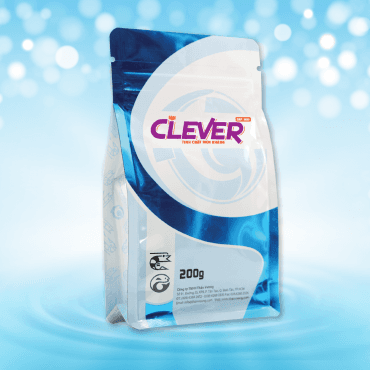
- CLEVER: helps reduce pressure from unfavourable bacteria.
- Use HERB GUARD and FLASH to help support detoxification and stabilise hepatopancreas cells.
- Use postbiotics, antimicrobial peptides and bioactive peptides that help restore the gut lining, for example BIOMAX (yeast essence).
- Purpose: reduce necrosis and inflammation in hepatopancreas tissue during TPD infection; help restore gut and hepatopancreas tissue and help prevent virulent bacteria from attaching and spreading.
- Tools:
Products pictured: HERB GUARD, BIOMAX, CLEVER, FLASH.
III. Supporting biological solutions: natural resistance and breeding
7. Developing TPD-resistant shrimp lines (genetic resistance)
- Research on selecting SPF/SPR (Specific Pathogen Free / Resistant) lines with genes that express an anti-vhvp response.
- Such lines may inactivate the toxin or regenerate tissue quickly after infection.
Summary of the 3-layer biological protection strategy
| Layer | Goal | Suggested solutions |
|---|---|---|
| Layer 1 – Outer layer (environment) | Stabilise the water, reduce free-living Vibrio | SOILMAX, MAX 4000 New |
| Layer 2 – Digestive system and hepatopancreas | Inhibit Vibrio, strengthen immunity | HERB GUARD, FLASH, BIOMAX |
| Layer 3 – Preventing the spread of virulence genes | Reduce plasmid exchange and quorum sensing | PRO SUR, organic acids + essential oils, Armo Guard |
Summary
- TPD is not "impossible to control with medicines". Current evidence shows that the virulence of VpTPD depends mainly on VHVP-2, which sits on a plasmid. The sensible strategy is therefore to combine: (1) early diagnosis (PCR for vhvp-2), (2) biosecurity to limit plasmid spread, and (3) antibacterial/anti-virulence interventions aimed at VHVP-2 or its secretion pathway and activity.
- Biological solutions are the only sustainable direction: plasmid inhibition – microbial stability – hepatopancreas protection – stronger immunity.
- Goal: build a "Microbiome Farm" where beneficial microbes dominate and Vibrio has no chance to acquire virulence genes.
Optimal shrimp farm management solution set: MICROBIO FARM
The diagram links three goals (higher pond carrying capacity, stronger resistance and optimal nutrition) to these Than Vuong product groups:
- Postbiotics: CLEVER, BIOMAX
- Specialised probiotics: SOILMAX, MAX 4000
- Gut health (microbiota): AQUAMOS, PRO GUT, PRO SUR
- Hepatopancreas and immunity: HERB GUARD
- Support under EHP pressure: FLASH
- Absorbable minerals: CELL CALPHOS GOLD, MIXBOOM, GROWMIN, CALPHOS GRO, QUICKSHELL GOLD, CANFORTA
References
- Stef, L., Pet, I., Popescu, C. A., Dumitrescu, G., Ciochina, L. P., Iancu, T., Cretescu, I., Corcionivoschi, N., & Balta, I. (2025). The Role of Natural Antimicrobials in Reducing the Virulence of Vibrio parahaemolyticus TPD in Shrimp Gut and Hepatopancreas Primary Cells and in a Post-Larvae Challenge Trial. International Journal of Molecular Sciences, 26(14), 6557. https://doi.org/10.3390/ijms26146557
- Hsu, P., Wong, H., & Tang, C. (2025). Superoxide dismutase VPA1514 in Vibrio parahaemolyticus protects against environmental stresses. PLOS ONE, 20(8), e0329351. https://doi.org/10.1371/journal.pone.0329351
- Dinh-Hung N, Mai HN, Matthews M, Wright H, Dhar AK (2025). Isolation, characterization, and pathogenicity of a Vibrio parahaemolyticus strain causing translucent post-larvae disease in Penaeus vannamei outside China. PLoS One 20(9): e0331862. https://doi.org/10.1371/journal.pone.0331862
English text adapted from Than Vuong's original Vietnamese infographic.