01 / SHRIMP HATCHERY
Healthy seed stock starts in the first days at the hatchery
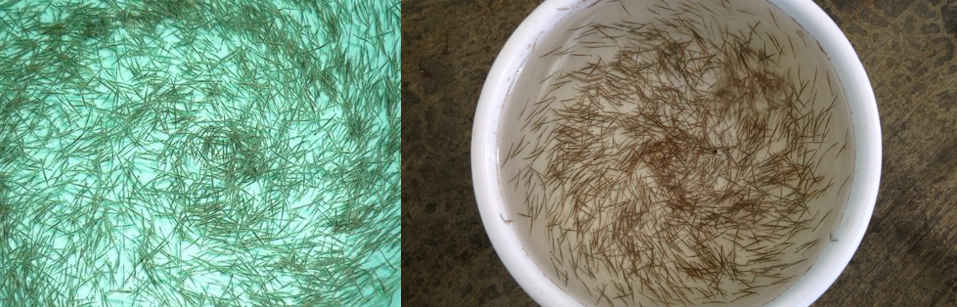
Shrimp nutrition in the grow-out phase has been studied for decades, but the way larvae are fed still relies mostly on experience. That is the assessment of Roeland Wouters (INVE Technologies, Belgium), Daniel Lemos (University of São Paulo, Brazil) and Patrick Sorgeloos (Ghent University, Belgium) in a 2026 review.
The authors draw a comparison with the poultry industry, where people only gradually realized that conditions in the hatchery affect a chicken's performance over its whole life. The same is true for shrimp — nutritional shortfalls at the hatchery may only show up later, as poor nursery performance, inconsistent crops between ponds or a high feed conversion ratio.
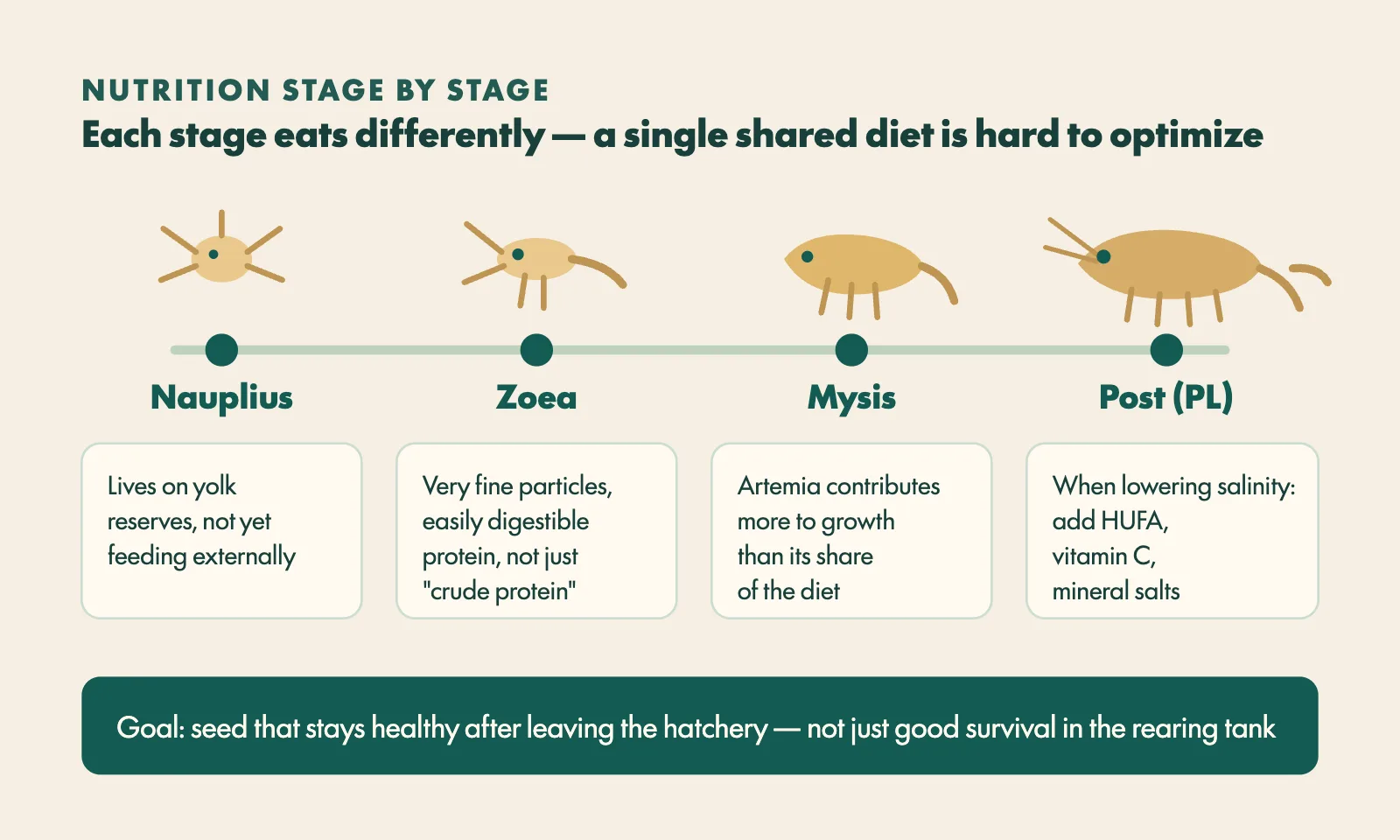
The main gaps identified by the authors:
- Diets are too "static": feed labels often list nearly the same protein level from zoea to postlarva, even though morphology, enzymes and behaviour change enormously.
- Looking only at crude protein: this figure says very little about amino acids, digestibility or how much leaches into the water. An ingredient that passes on paper can still fail in the tank, because feed moves through the larval gut very quickly.
- Artemia is worth more than we think: isotope studies show that Artemia contributes more to growth than its share of the diet — but this value is lost when hatching, enrichment and hygiene are poor, which also raises the risk of harmful bacteria.
- Feed and microbes go together: even a small change in feeding rate can shift the microbial community in the tank within a few hours. The goal is not sterility but a stable microbial community.
- Late-stage salinity reduction causes shock: at this point the diet should include HUFA fatty acids, vitamin C, salts and minerals.
According to the authors, progress will not come from raising hatchery survival by a few more percent, but from seed stock that stays healthy after leaving the hatchery, under the less controlled conditions of commercial grow-out ponds.
02 / FEED
Yeast: a functional additive, not a "protein to replace fishmeal"
The review by Reshma Sinha and colleagues (published in Aquaculture Journal, August 2026) re-examines the whole body of research on yeast in aquafeeds: whole yeast cells, cell walls, autolysates, hydrolysates and isolated compounds such as beta-glucan, MOS (mannanoligosaccharide) and nucleotides.
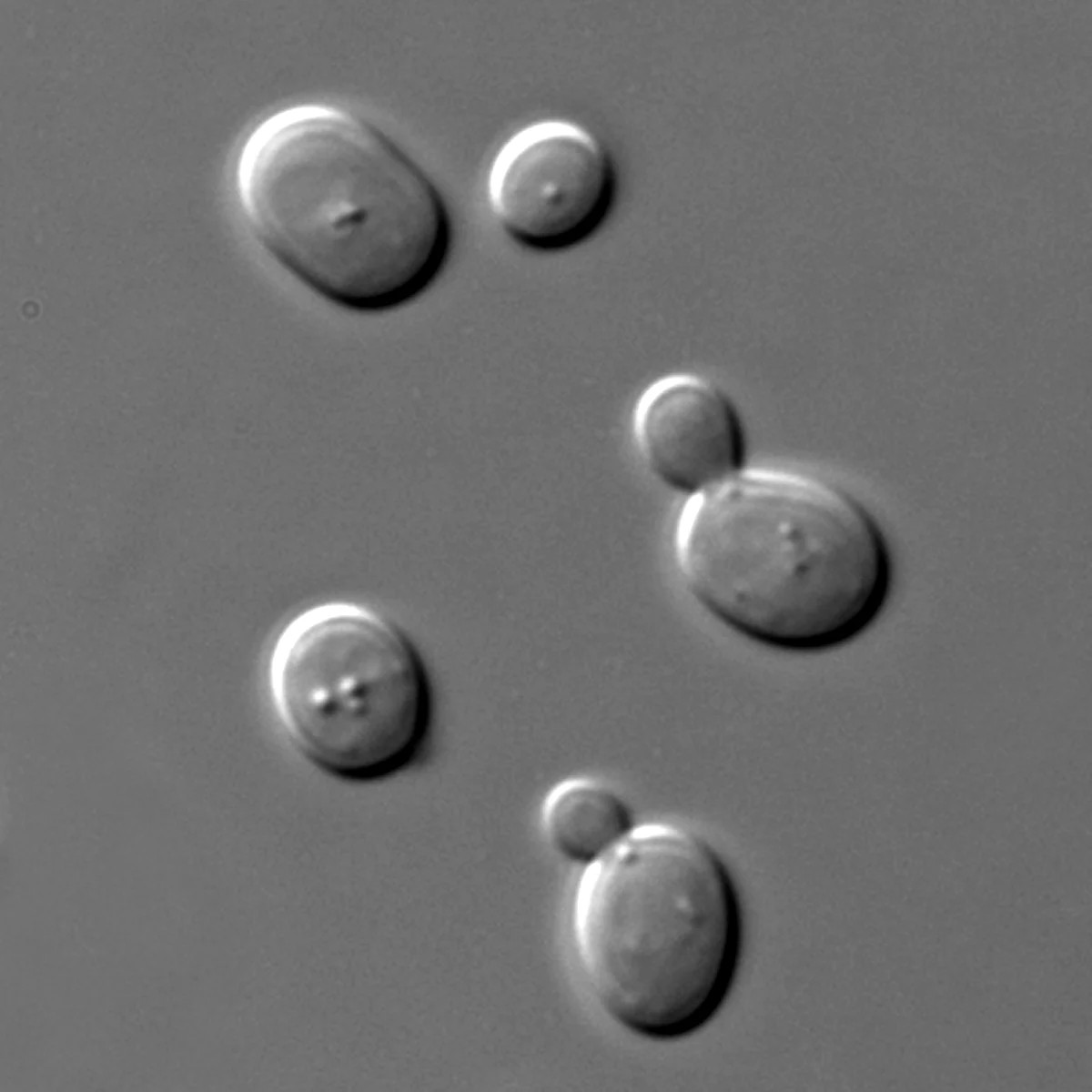
Protein content of the yeast Saccharomyces cerevisiae (brewer's and baker's yeast), together with essential amino acids and B vitamins.
Typical inclusion levels in the studies: about 0.1% for whole yeast, close to 0.4% for selected fractions.
The authors' practical message: yeast is most valuable when used as a functional additive at moderate doses, especially in high-density ponds, in low-fishmeal feeds or under heavy disease pressure. Using yeast to fully replace fishmeal is limited, because yeast is high in nucleic acids and non-protein nitrogen.
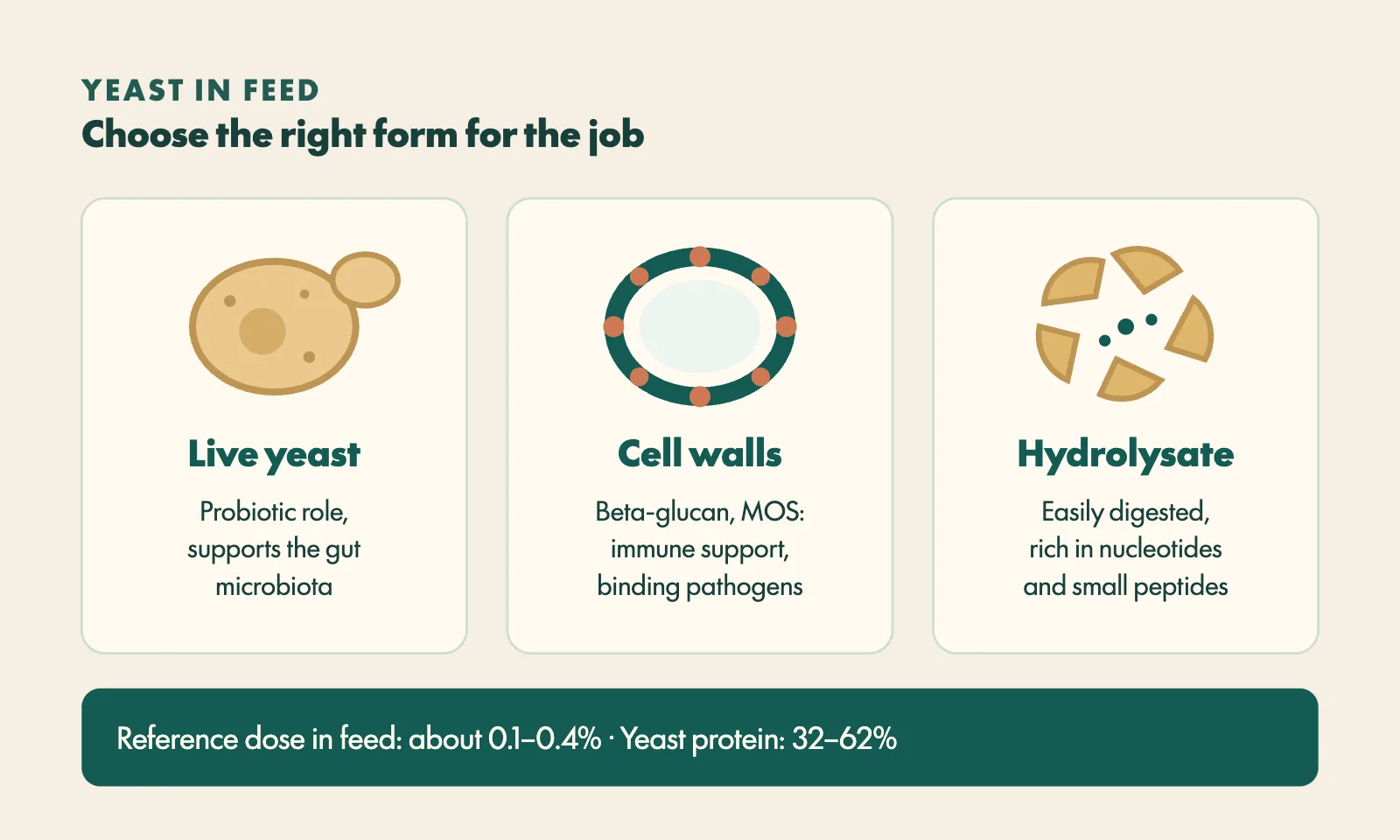
- Live yeast — when a probiotic effect is needed, to support the gut microbiota.
- Cell walls (beta-glucan, MOS) — when immune support and binding of pathogens in the gut are needed.
- Hydrolysates and autolysates — when digestibility and a source of nucleotides are the priority.
The authors also note that the quality of yeast products on the market still varies widely. Buyers should ask for specific composition data — beta-glucan, MOS, nucleotides, true protein — rather than a generic "yeast" label, and should not treat the products as interchangeable.
03 / TILAPIA
Bacterial disease in tilapia: prevention comes first
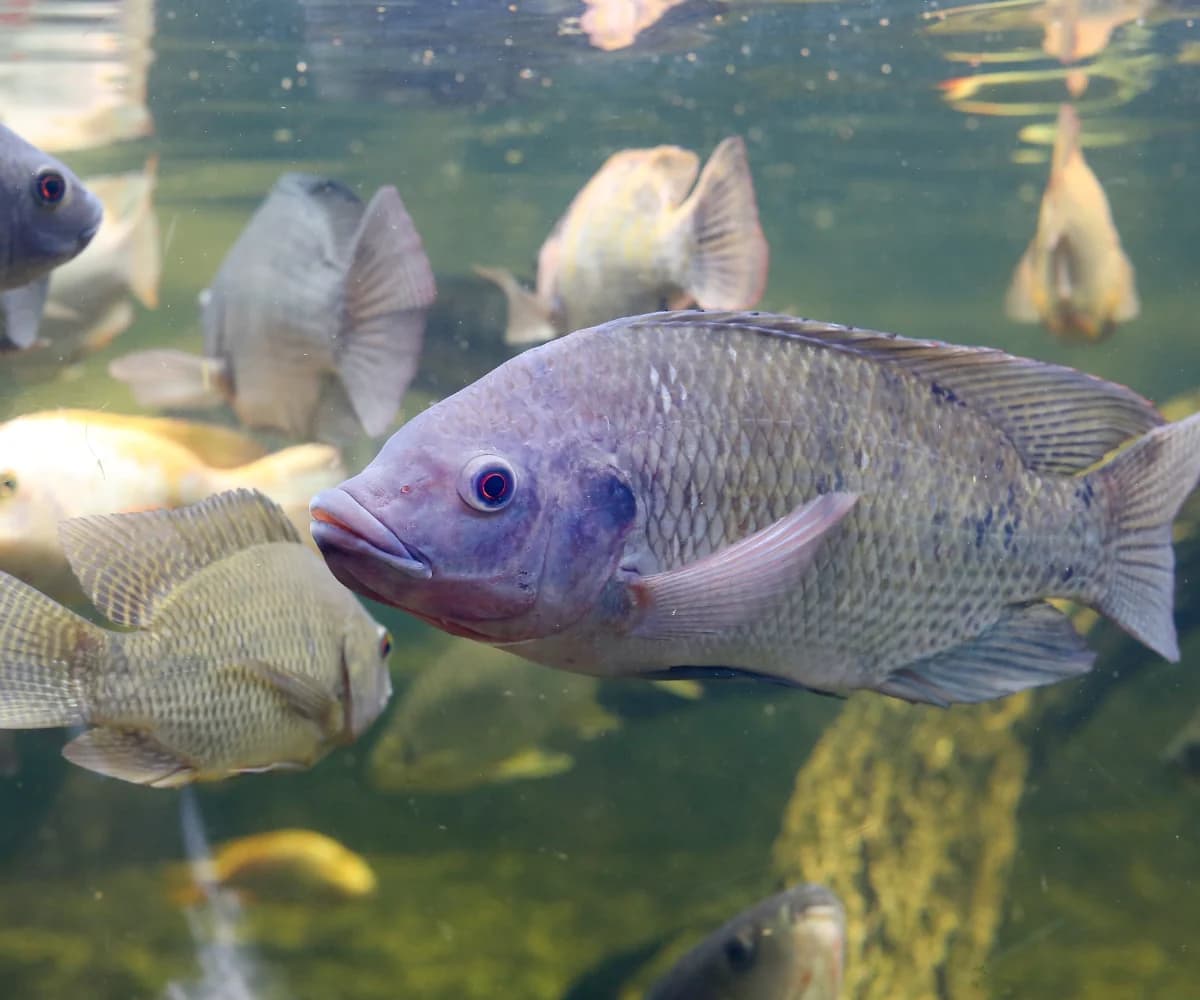
The third review, by Marco Shizuo Owatari and colleagues (Federal University of Santa Catarina, Brazil; published in Aquaculture and Fisheries), deals with disease caused by the bacterium Edwardsiella tarda — which causes high mortality and heavy losses on tilapia farms, especially in warm regions and in intensive farming.
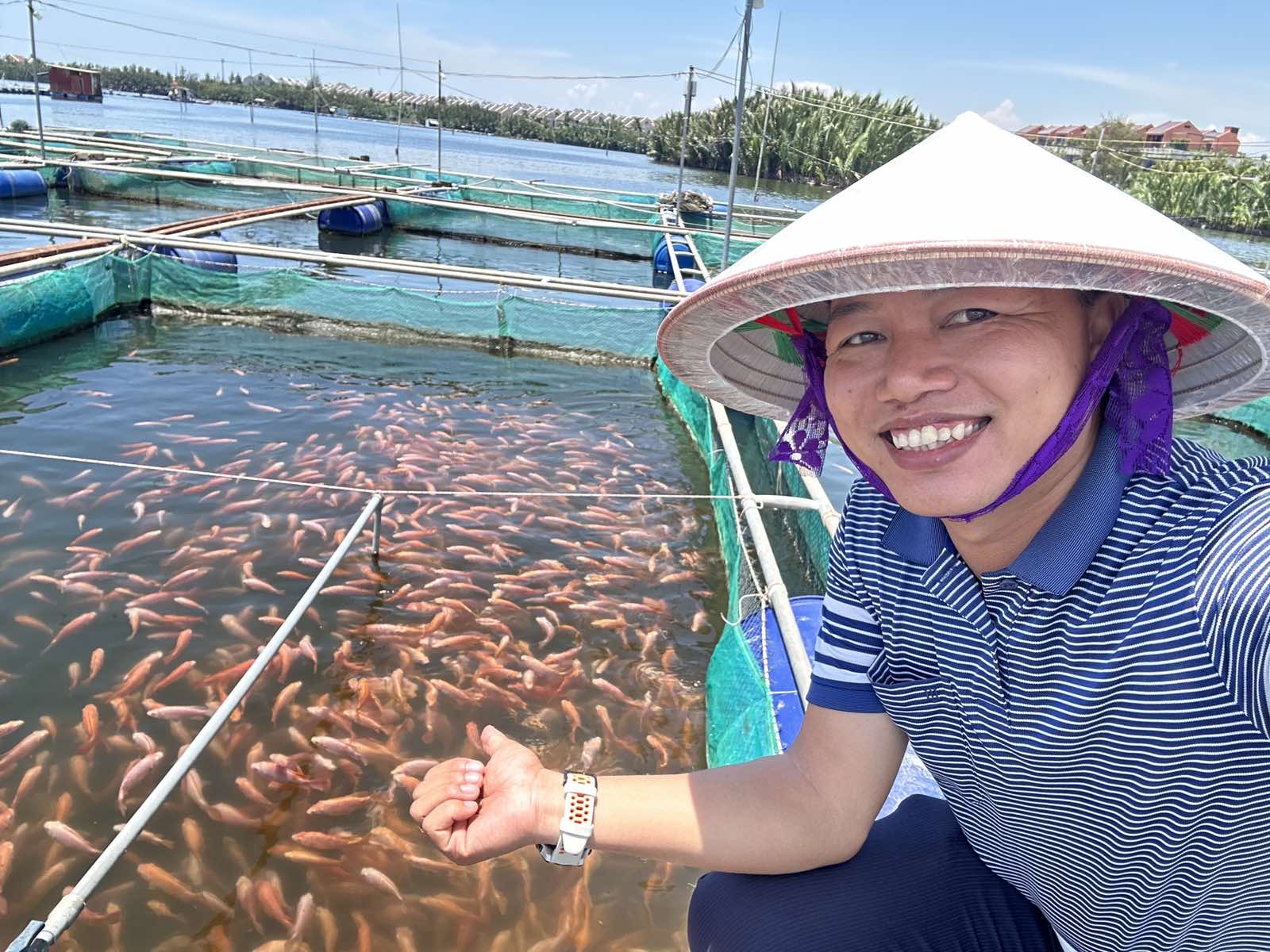
A notable point: the bacterial strains differ widely in their genetics, so a measure that works against one strain may not work against another. For this reason, prevention still relies mainly on farm management, while vaccines, plant-derived compounds and probiotics continue to be studied.
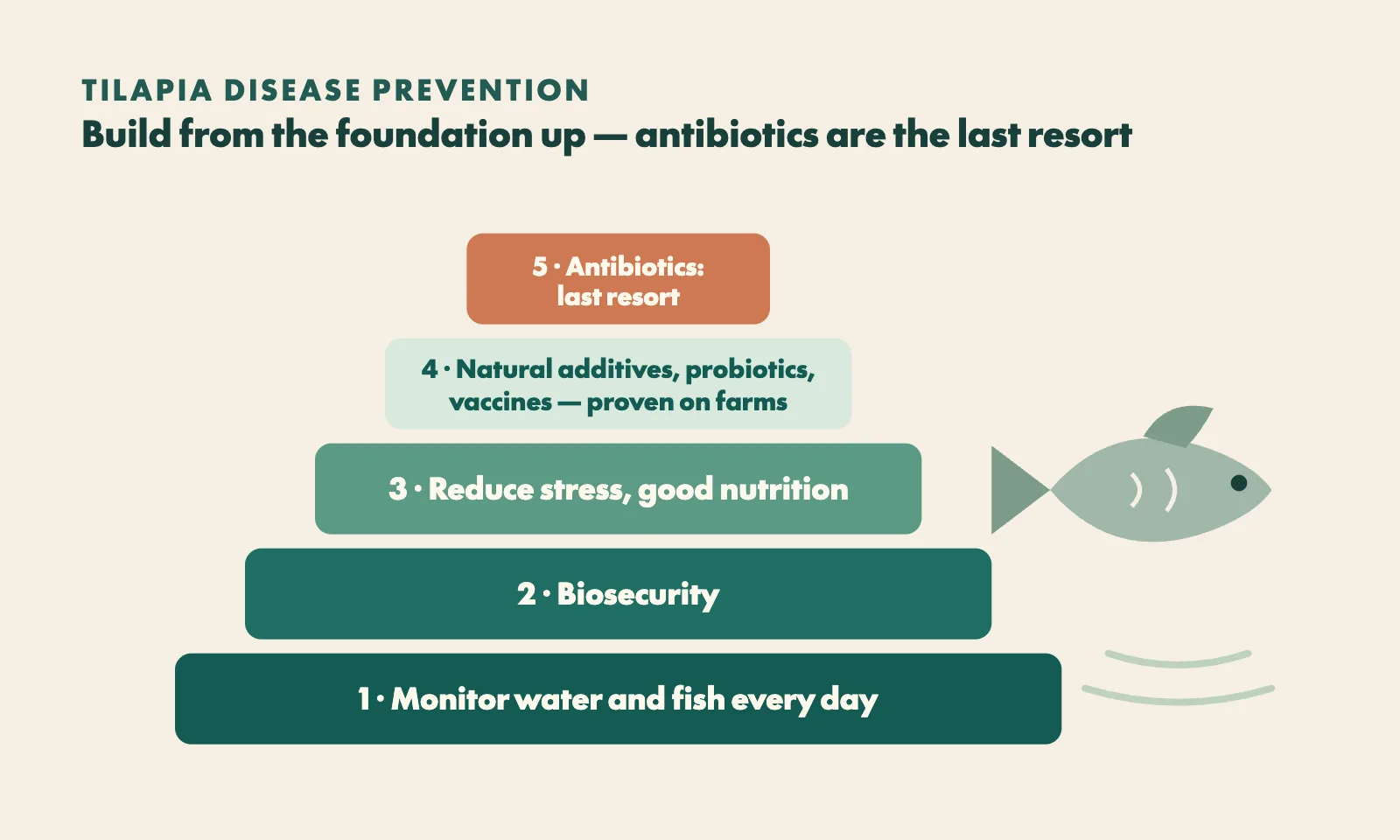
“Antibiotics should be the last resort, because the risk of resistance and residues makes routine use increasingly costly and commercially disadvantageous.”
Darryl Jory · Responsible Seafood Advocate · Paraphrased from the source article
The authors recommend testing vaccines, plant-derived compounds and probiotics directly on commercial farms and publishing the economic results as well; standardizing diagnostic procedures; and building monitoring and biosecurity into daily production, instead of acting only once many fish have already died. Buyers of products should ask for evidence from farm-scale trials, not only from laboratory trials.
04 / THAN VUONG PERSPECTIVE
Applying this to ponds in Vietnam
The three reviews cover different topics, but they meet on one idea: preventing early and doing the right things works better than chasing problems after they have happened. Farmers can start with concrete steps:
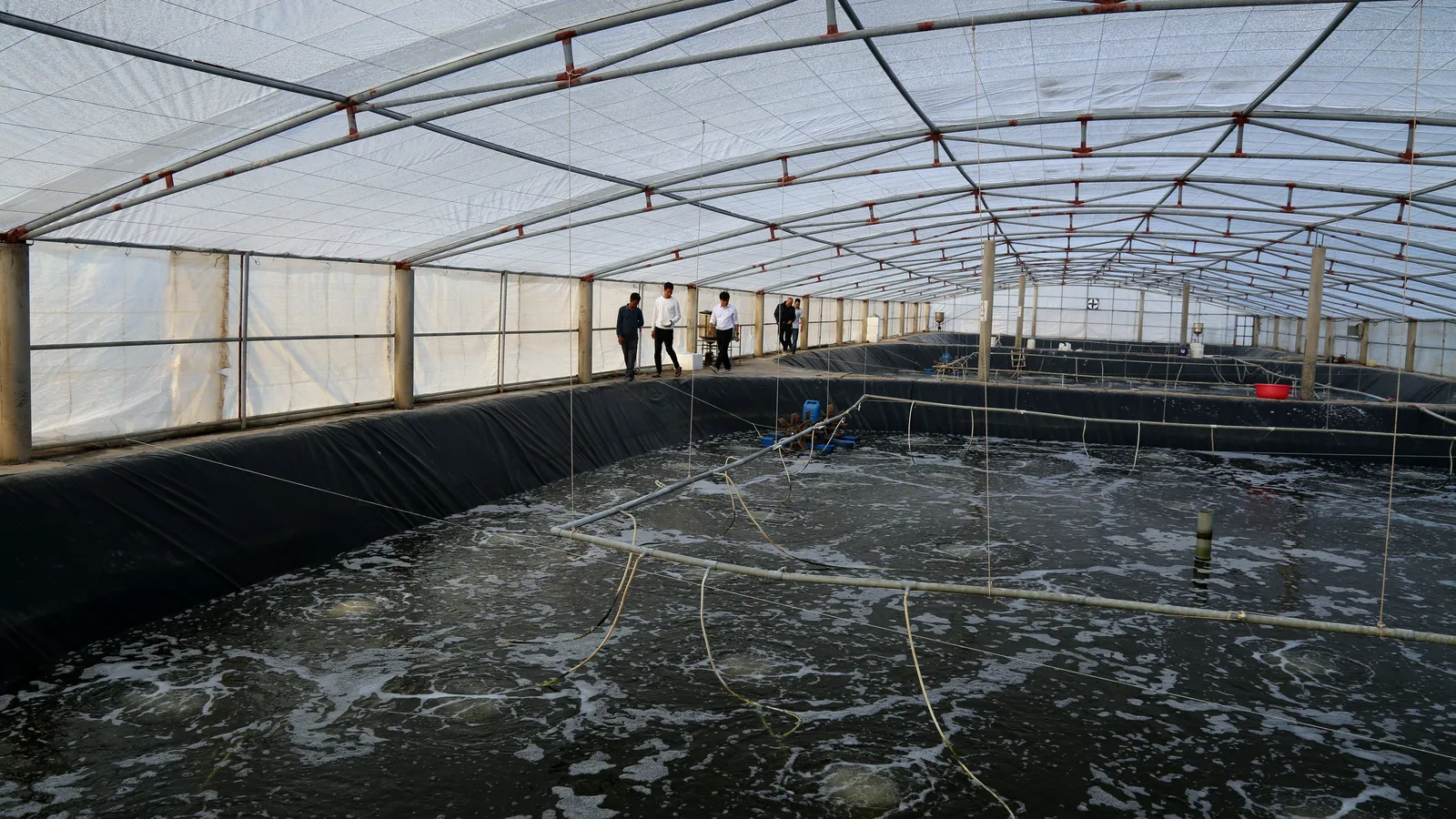
- Choosing seed stock: ask the hatchery about its feeding protocol, how it lowers salinity and its Artemia; postlarvae that stay healthy once in the pond matter more than postlarvae that look good when they leave the hatchery.
- Keep the shrimp gut healthy from the start of the crop: choose the right form of yeast for the job — live yeast with organic selenium such as ACTISEL, beta-glucan-rich yeast cell walls such as AQUAMOS, protein extracted from yeast such as CLEVER — and use the dose on the label.
- Prevent by crop stage: see the stage-by-stage disease prevention schedule, from pond preparation to harvest.
- Fish farming: check the water and the fish every day, reduce stress when the weather changes and keep biosecurity tight; if you see unusual signs, call a technician before using any drugs on your own.