01 / FEED AND FCR
Feed is 60–85% of production cost
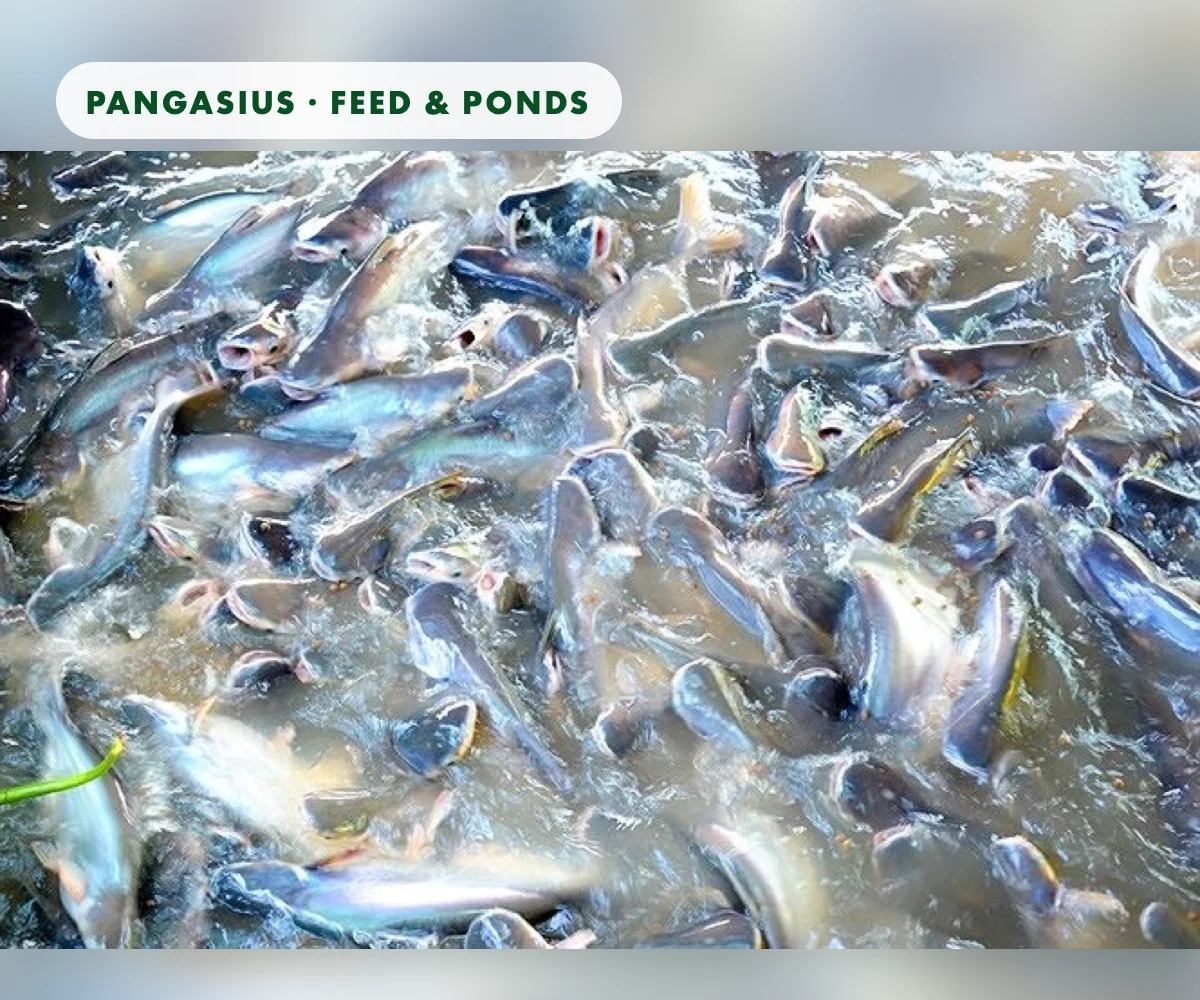
According to FAO estimates cited in the article, Asia produced 3.41 million tonnes of pangasius in 2023, worth nearly USD 4.46 billion; Vietnam accounted for 51% (1.75 million tonnes) and Indonesia for 10%. Most of the fish are farmed in ponds; feeding is easier to manage in cages, which usually means a lower FCR and better water quality.
Nearly all pangasius farmers in Vietnam now use commercial feed. Farm-made feed is cheaper but is often poorly balanced and breaks down quickly in water, gives an FCR nearly twice as high and fouls the water. In India and Bangladesh, many small farms still use both types.

The article cites a review of US catfish ponds (Stone et al., 2024) on the factors that push FCR up or down: temperature, salinity, genetics, dissolved nitrogen in the water, aeration, stocking density, fish age and size, feed quality, feeding strategy, the skill of the person feeding, and survival. In other words, FCR is not decided by the feed bag alone.
02 / NUTRITION
What research has found so far
The article reviews studies on the nutrient requirements of pangasius (tra) and basa, and points to many gaps:
- Protein: most trials were done on small fish in tanks. Fish need digestible amino acids, not just the "% crude protein" figure on the bag.
- Amino acids: lysine and methionine are the first limiting amino acids in feeds high in plant ingredients. In two trials with fishmeal-free feeds, adding lysine, methionine and threonine at 5–6 g/kg each gave the best results.
- Fat: 10% added fat gave the best growth in pangasius of 13–14 g; in broodstock, diets with 9% fat or more gave better reproduction than 6%.
- Protein-to-fat balance: results are not consistent — one trial did best at 40% protein and 12% fat, another at 35% protein and 10% fat, while a 2025 trial on 168 g fish did best at 28% protein and 4% fat.
- Vitamin C and minerals: about 35 mg/kg of vitamin C gave the best growth and survival in fry; 350–700 mg/kg boosted the fish's immune response to Aeromonas hydrophila bacteria in trials. Zinc at about 32 mg/kg was enough for fingerlings; for 209 g fish, 50 mg/kg in organic form gave the best results.
“Detailed nutritional information is absolutely essential to develop feeds with the highest performance…”
Aqua Culture Asia Pacific
A note on these figures: they are experimental results under controlled conditions, mostly on small fish — not a recipe for adding extra ingredients to commercial feed. The article calls for more research on large fish, since fish close to harvest are the group that eats the most feed.
03 / DENSITY AND POND MANAGEMENT
Recommendations from the DeltaVax project
DeltaVax is a project funded by the Government of the Netherlands (2024–2027) that carries out research in the Mekong Delta. According to the Dutch Ministry of Agriculture, many pangasius ponds are stocked too densely, leaving the fish stressed and slow-growing, with a high FCR and more prone to disease. The researchers recommend:

- 30–40 fish/m², combined with good management of dissolved oxygen, ammonia and turbidity — this helps raise survival and cut the use of chemicals and antibiotics.
- Test the water at least twice a week, ideally every day, to keep ammonia and nitrite low.
- Use probiotics or biofloc technology to suppress harmful bacteria and reduce reliance on chemicals.
- Remove bottom sludge regularly to avoid toxic gases such as H2S.
- Shift to prevention: in trials, vaccinating fingerlings against Edwardsiella ictaluri (the bacterium behind bacillary necrosis of pangasius) and Aeromonas hydrophila improved survival and reduced antibiotic use.
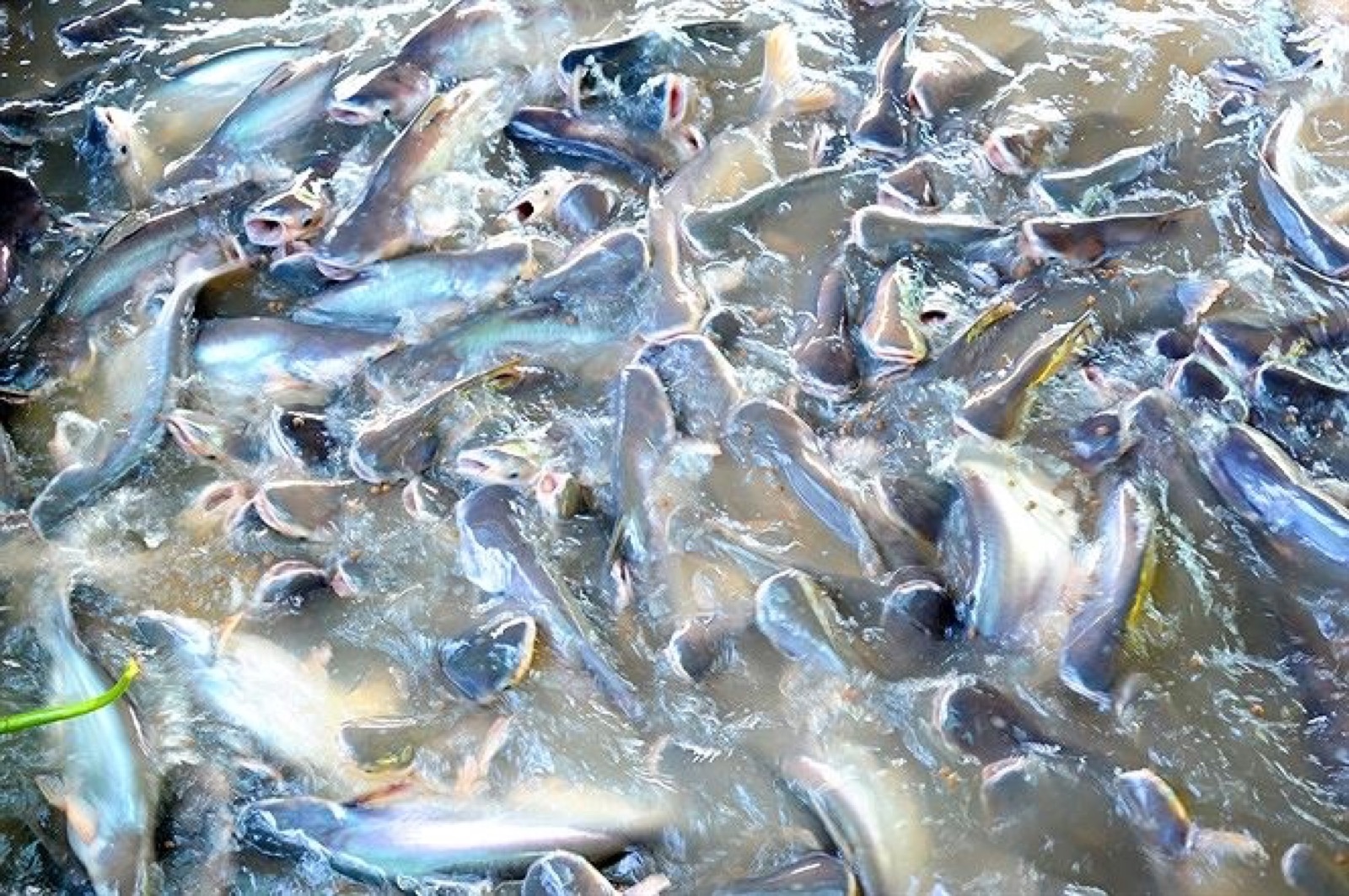
The project also recommends gentler harvesting and transport (soft nets, less time out of the water, sensible transport densities), because injured, exhausted fish lose flesh quality. Vietnam accounts for more than 90% of global pangasius exports; in 2024 pangasius exports reached about USD 2 billion, around 20% of the country's total seafood export value.
04 / THAN VUONG'S VIEW
Applying it to pangasius grow-out ponds
Both sources point the same way: for a low FCR and fewer disease problems, you have to look after both the feed and the pond environment. Farmers can start right away:
- Feed: use commercial feed of the right size for the fish, from a manufacturer that clearly declares its composition; avoid mixing your own feed without nutrition advice.
- Work out FCR for each pond: record the feed used every day and weigh samples regularly; a rising FCR is a sign to check the water, the density or the way you feed.
- A density the pond can support: stock according to the pond's capacity for oxygen supply and water exchange; test oxygen, ammonia and nitrite regularly.
- A clean pond bottom: remove sludge regularly and use probiotics on the bottom and in the water to help limit toxic gases. See our pangasius grow-out solutions and products for fish.
- Prevention first: choose healthy fingerlings; ask veterinary officers or technicians about vaccines for fingerlings; when the fish show unusual signs, take samples for diagnosis before using any drugs.