
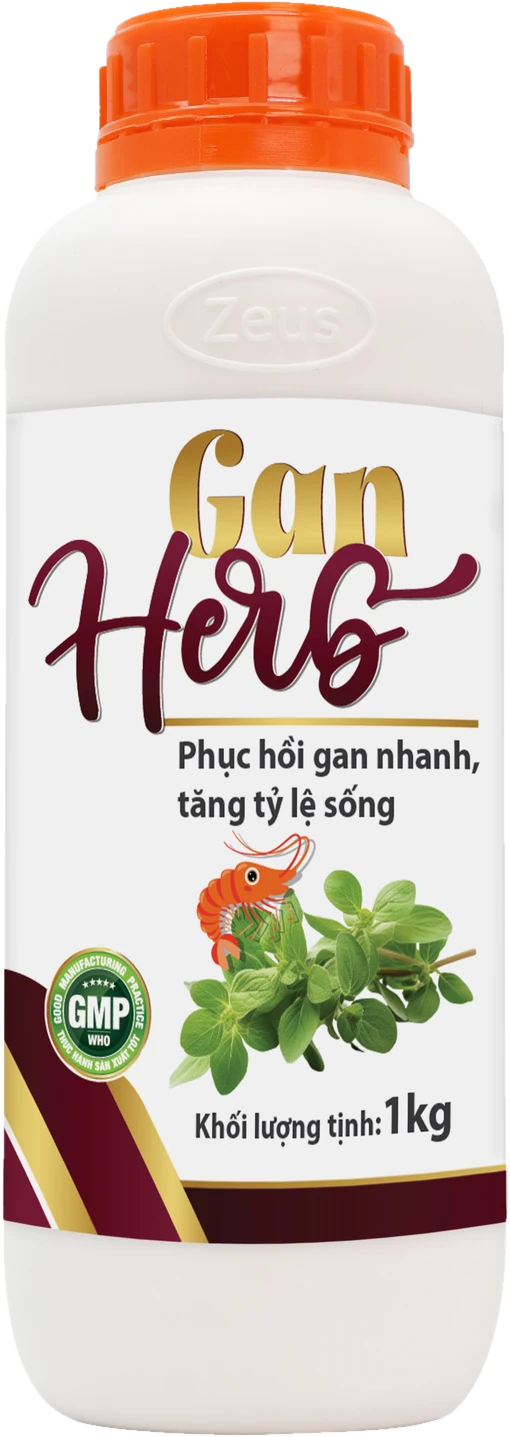
GAN HERB
Liquid · 1 kg- 01Supports hepatopancreas function
- 02Improves liver color
- 03Aids digestion with seaweed extract
- Maintenance
- 5 g /kg
- Weak liver
- 10 g /kg
- Pack size
- 1 kg
- Form
- Liquid
- TCCS
- 25:2024/TV
- Circulation cert.
- 01053474
- Plant
- GMP-WHO
How GAN HERB works in the hepatopancreas
The hepatopancreas — the shrimp’s “central factory”
One organ doing three jobs at once: digestion, nutrient storage and toxin processing. When it is overloaded, shrimp eat poorly, grow slowly and stress easily when pond conditions change.
 01
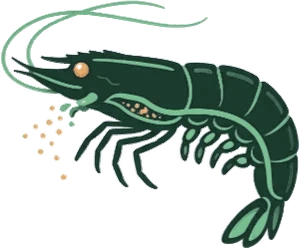
01Digestion & absorption
The hepatopancreas secretes bile and digestive enzymes — a healthy one means shrimp absorb feed well and grow evenly.
 02
02Resilience
A stable hepatopancreas underpins resilience — shrimp cope better with weather and water changes.
 03
03Toxin removal
Everything shrimp eat is processed by the hepatopancreas — when it is overloaded, toxins build up in the body.
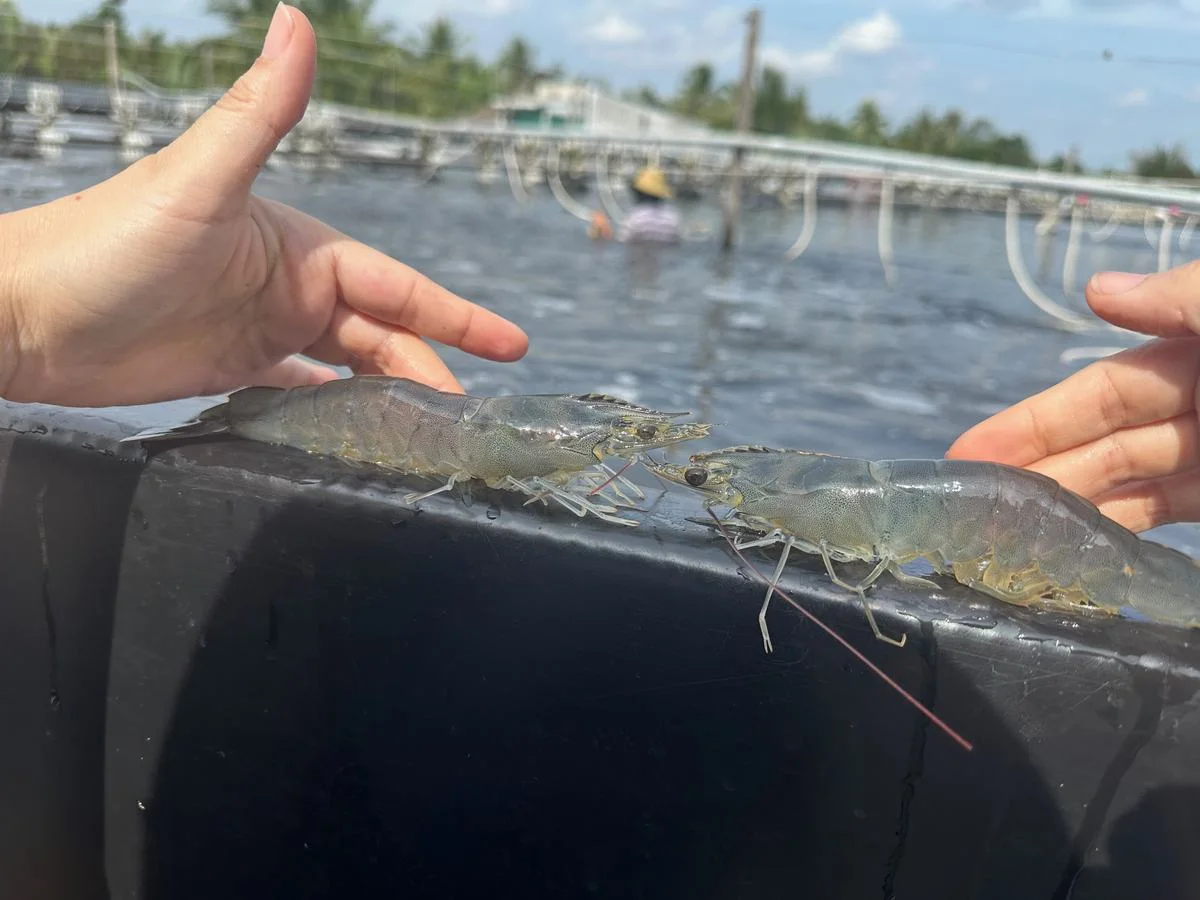
Read health from liver color: a deep golden-brown hepatopancreas with a well-defined mass is healthy; a pale, shrunken one needs care — supporting the liver early is easier than rescuing it late.
Composition — as per TCCS 25:2024/TV
| Ingredient | Content | Role |
|---|---|---|
| Sorbitol | 230,000 mg (min) | Main active ingredient supporting hepatopancreas function and bile secretion. |
| Seaweed-extract additive | q.s. | Herbal additive from seaweed — aids feed digestion and complements sorbitol. |
| Solvent (distilled water) | q.s. 1 liter | Liquid form — dilute with clean water and coat evenly onto feed. |
Traceable, batch by batch
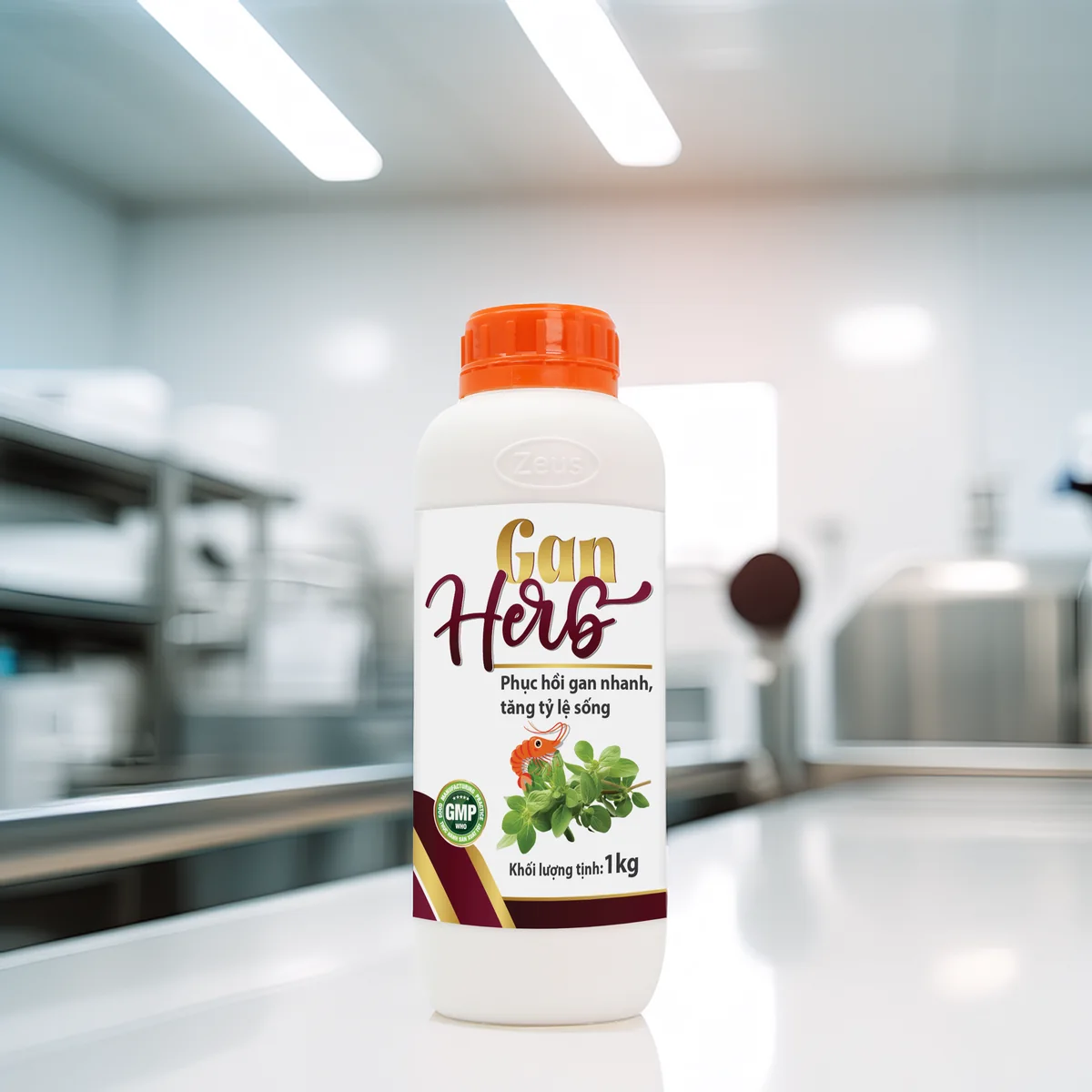
Manufactured and quality-controlled under GMP-WHO with clear batch records — scan the QR code on the label to check the certificate of analysis, production date and expiry date.
Three things GAN HERB does for the hepatopancreas
- 01Strengthens hepatopancreas function to keep the liver healthy and limit liver problems.
- 02Improves the color of the hepatopancreas and stimulates secretion of bile and digestive enzymes.
- 03Keeps hepatopancreas function stable, maintains shrimp resilience and supports toxin removal.
Five moments to support the liver
From the Thần Vương technical team — support the liver proactively at the points where the hepatopancreas carries the heaviest load.
 01
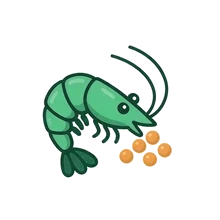
01Heavy-feeding stage
Shrimp at 30–60 days grow fast and the hepatopancreas runs at full capacity
 02
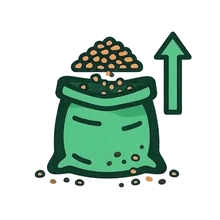
02Feed change, more protein
Moving to a larger pellet or higher-protein feed — the liver needs time to adapt
 03
03After a chemical treatment
Helps the liver clear and recover after the pond has been treated with chemicals
 04
04Weather swings
Long rains, harsh sun, big day–night temperature gaps — shrimp stress and eat less
 05
05Pale liver, low appetite
Switch straight to 10 g/kg until liver color and appetite improve
- STEP 1Sorbitol reaches the gutEnters the digestive tract with feed
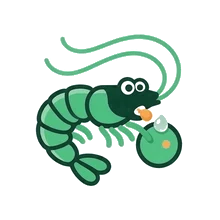
- STEP 2Stimulates bile flowPromotes secretion of bile and digestive enzymes
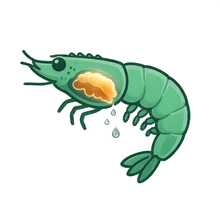
- STEP 3Seaweed aids digestionWith bile and enzymes, fats and nutrients are digested — less build-up in the liver
- STEP 4Bright liver, healthy shrimpResilience maintained, toxins flushed out
Quick check: cast-net a few shrimp every week and look at the hepatopancreas color in sunlight — regular checks reveal a weakening liver earlier than feeding trays do.
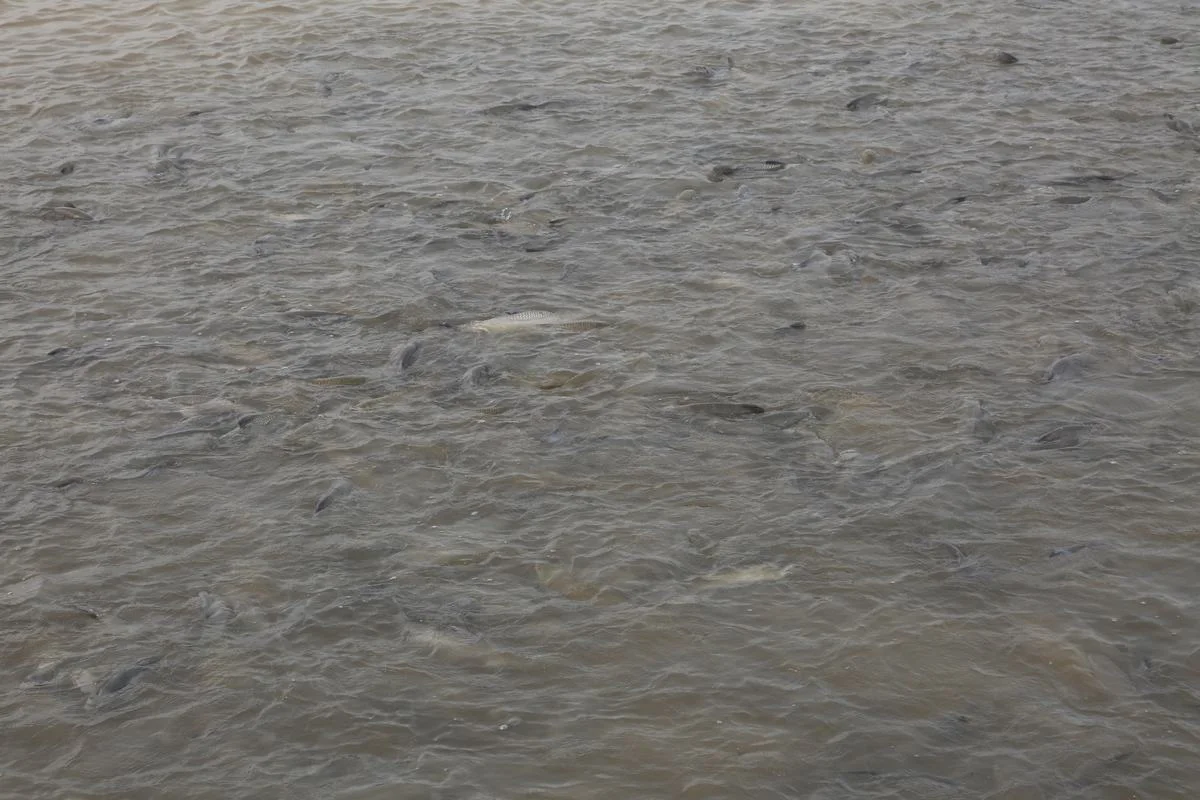
Look at the shrimp, look at the fish — and you know how the liver is doing
Feed-mix dose
- 01Dilute with clean water — just enough to coat the batch evenly
- 02Mix into feed — turn until every pellet is coated
- 03Air-dry for 20 minutes — then feed
Note: GAN HERB is a supplement that supports hepatopancreas function — it is not a medicine. Read the label directions carefully before use.
Orders & technical advice
Quoc Nguyen Trading & Services Co., Ltd.
House F6, Street No. 6, Tay Do Cultural Residential Area, Cai Rang Ward, Can Tho City, Vietnam
congtythuysanquocnguyen@gmail.com

Thần Vương Co., Ltd.
Free advice on pond conditions and hepatopancreas-care programs — reply within 24 hours. Mon – Fri · 08:00 – 17:00 (GMT+7).
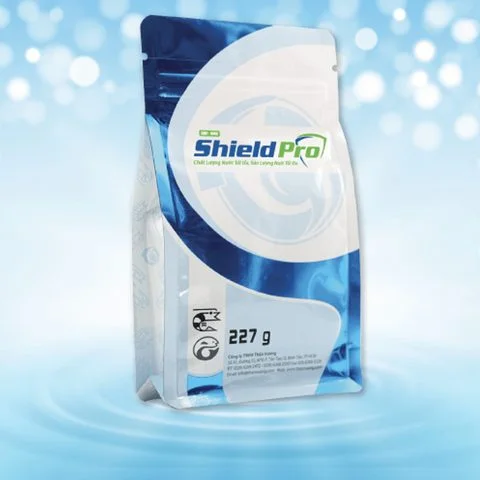
GAN HERB · TCCS 25:2024/TV · Circulation certificate 01053474
© Thần Vương — Veterinary medicine · Aquaculture · GMP-WHO