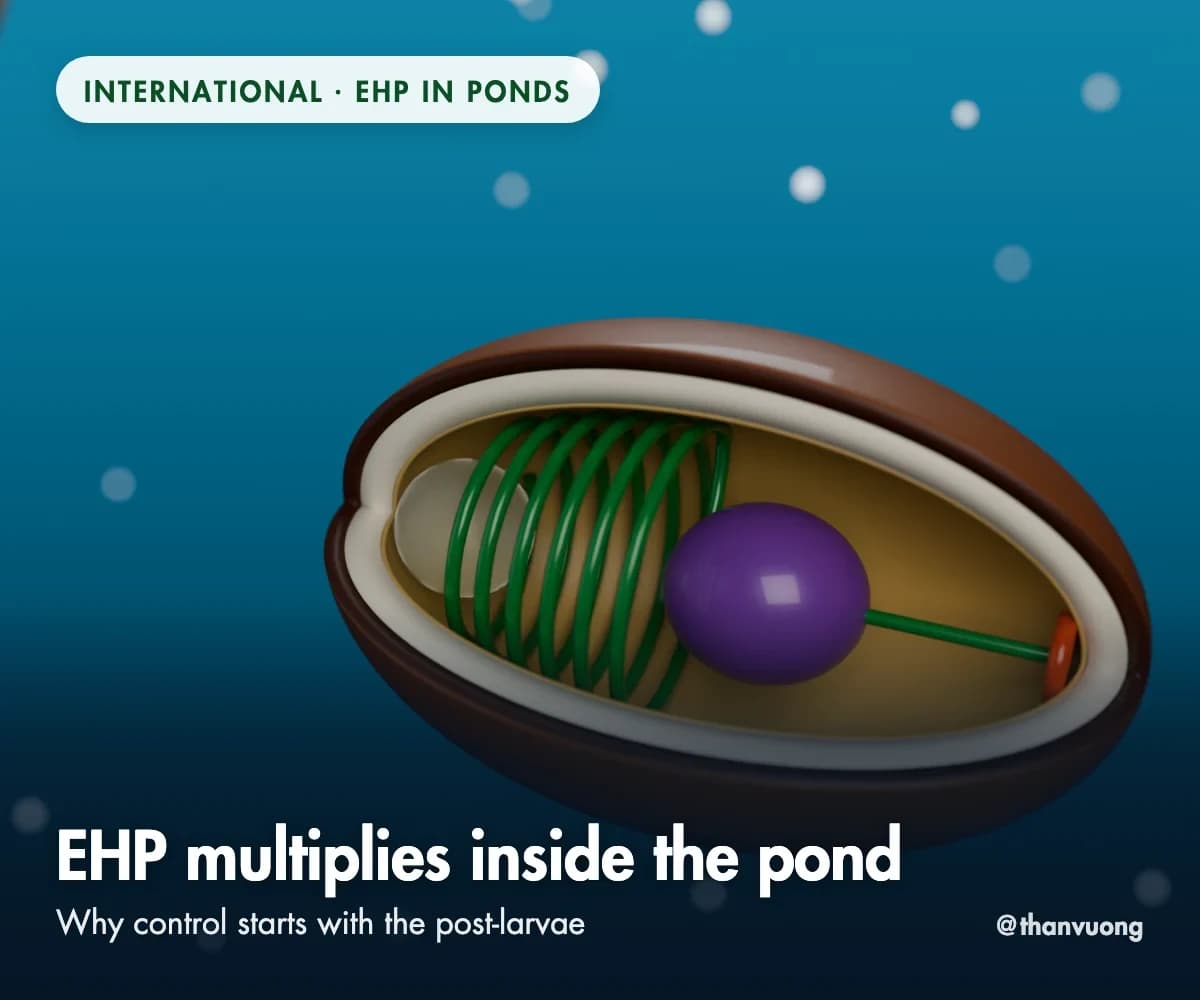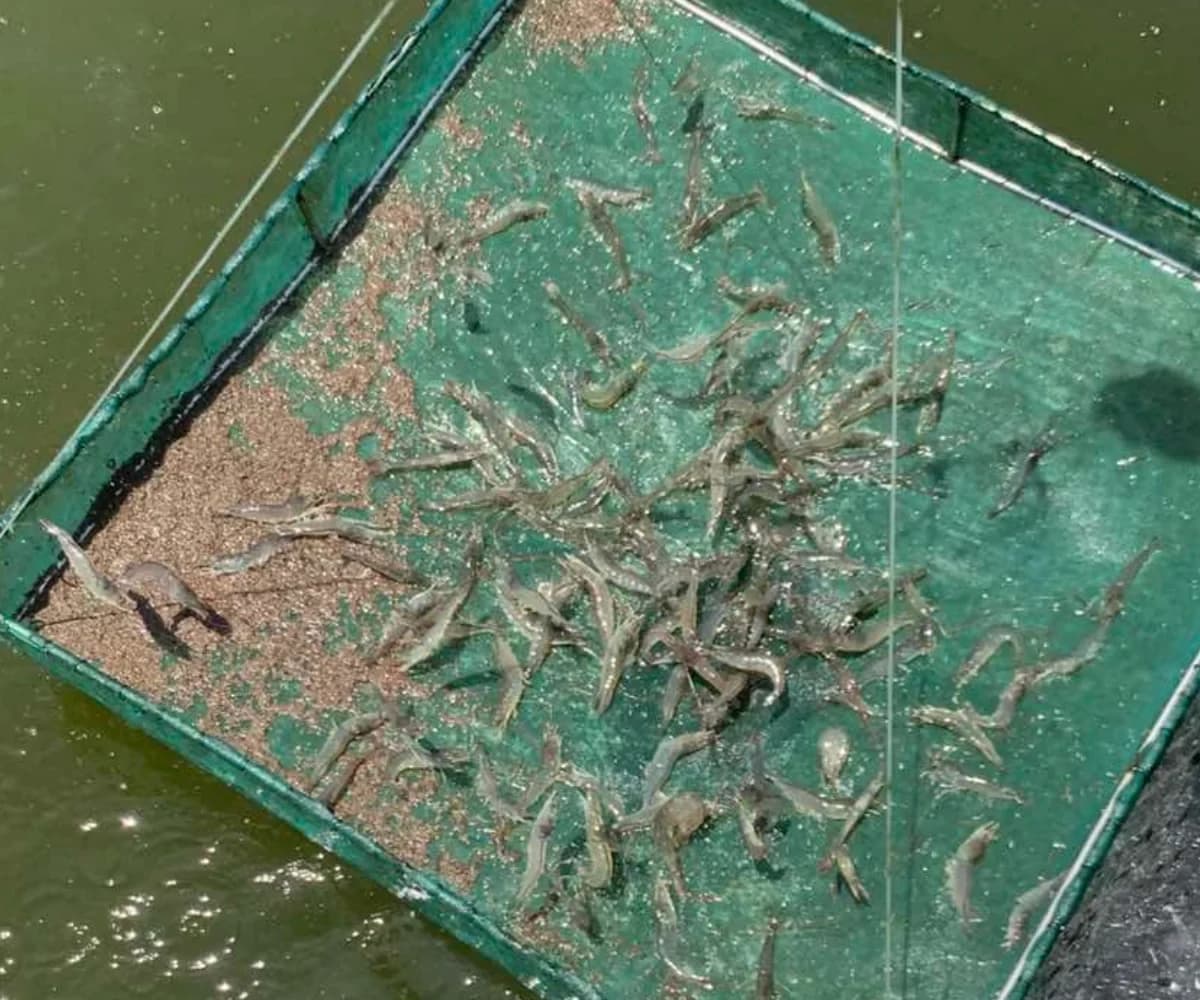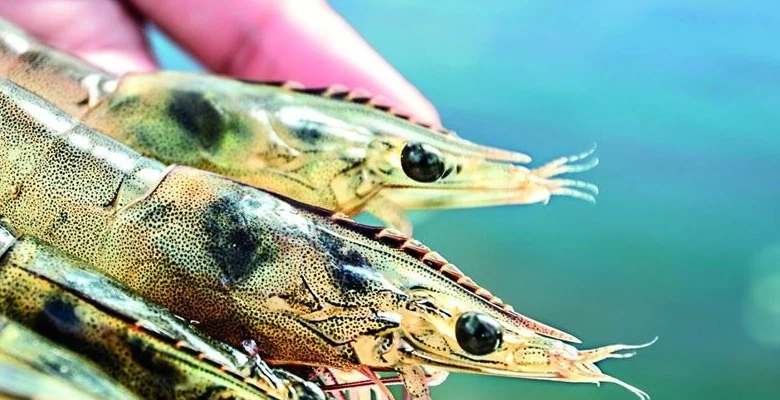
EHP (a microsporidian parasite) causes heavy losses in shrimp ponds today. Shrimp infected with EHP grow slowly, FCR can rise, and they are prone to white feces syndrome (WFS). Besides reducing pathogens in the pond, the shrimp’s own resistance decides whether they can cope with EHP. When water conditions fluctuate and the pond’s microbial community is out of balance, that resistance drops.
In 2025, Lallemand Animal Nutrition ran a field trial in the Mekong Delta. The aim was to compare LALSEA BIOREM with another international water-treatment product in ponds affected by EHP and white feces.
Trial design
- 4 Pacific white shrimp ponds, each 900 m² (1,000 m³), stocked at 245 shrimp/m². Monitored from week 4 to week 12.
- 2 control ponds used a water-treatment product from another international brand. 2 trial ponds used LALSEA BIOREM.
- LALSEA BIOREM was used at 0.2 ppm, applied directly to the pond at 6 pm, 2–5 times a week, from the start to the end of the crop. The ponds also received a carbon source, adjusted to water quality.
- All ponds used the same seed, the same feed and the same protocol. On day 60, half of the shrimp in each pond were moved to another pond and grown on to harvest.
During the crop
PCR results showed that all 4 ponds were infected with EHP; growth slowed and then almost stalled. The two control ponds developed white feces and had to be emergency-harvested on days 79 and 82. In the two LALSEA BIOREM ponds, white feces appeared later, so the farmer could keep the shrimp until day 85.
Results at harvest
| Indicator | Control | LALSEA BIOREM |
|---|---|---|
| Average body weight (g/shrimp) | 11.6 | 16.6 |
| Weight gain (g/week) | 1.01 | 1.33 |
| FCR | 1.43 | 1.20 |
| Survival* | 100% | 100% |
| Harvest (kg/pond) | 2,419 | 3,735 |
*The actual number of stocked shrimp was underestimated, so recorded survival was 100%.
Measured against the cost of the control product, LALSEA BIOREM returned 4:1 on the money spent: every extra 1 VND spent brought back 4 VND more. The farm’s technicians also noted clearer water in the LALSEA BIOREM ponds.
What LALSEA BIOREM does in the pond
LALSEA BIOREM is a blend of beneficial bacterial strains that:
- Break down organic matter and bottom sludge
- Outcompete harmful bacteria in the water
- Take up toxic ammonia
- Keep water parameters stable
According to the trial’s conclusion, LALSEA BIOREM helped shrimp grow better and lowered FCR even under EHP pressure and at high stocking density. A likely reason is a more stable microbial environment in the pond, so shrimp were less stressed and more resilient.
📞 Technical advice & orders: 0867 957 568
🤖 AI advisor 24/7 — technical Q&A, protocols and products at any time: https://thanvuong.vn/en/products
Source: Lallemand Animal Nutrition, LALSEA BIOREM Trial Summary – Vietnam, Field trial 2025. LALSEA BIOREM is a water-environment treatment product; it is not intended to diagnose or treat disease. Results may vary with pond conditions.