Research shows shrimp can defeat white spot disease by moving to warmer waters
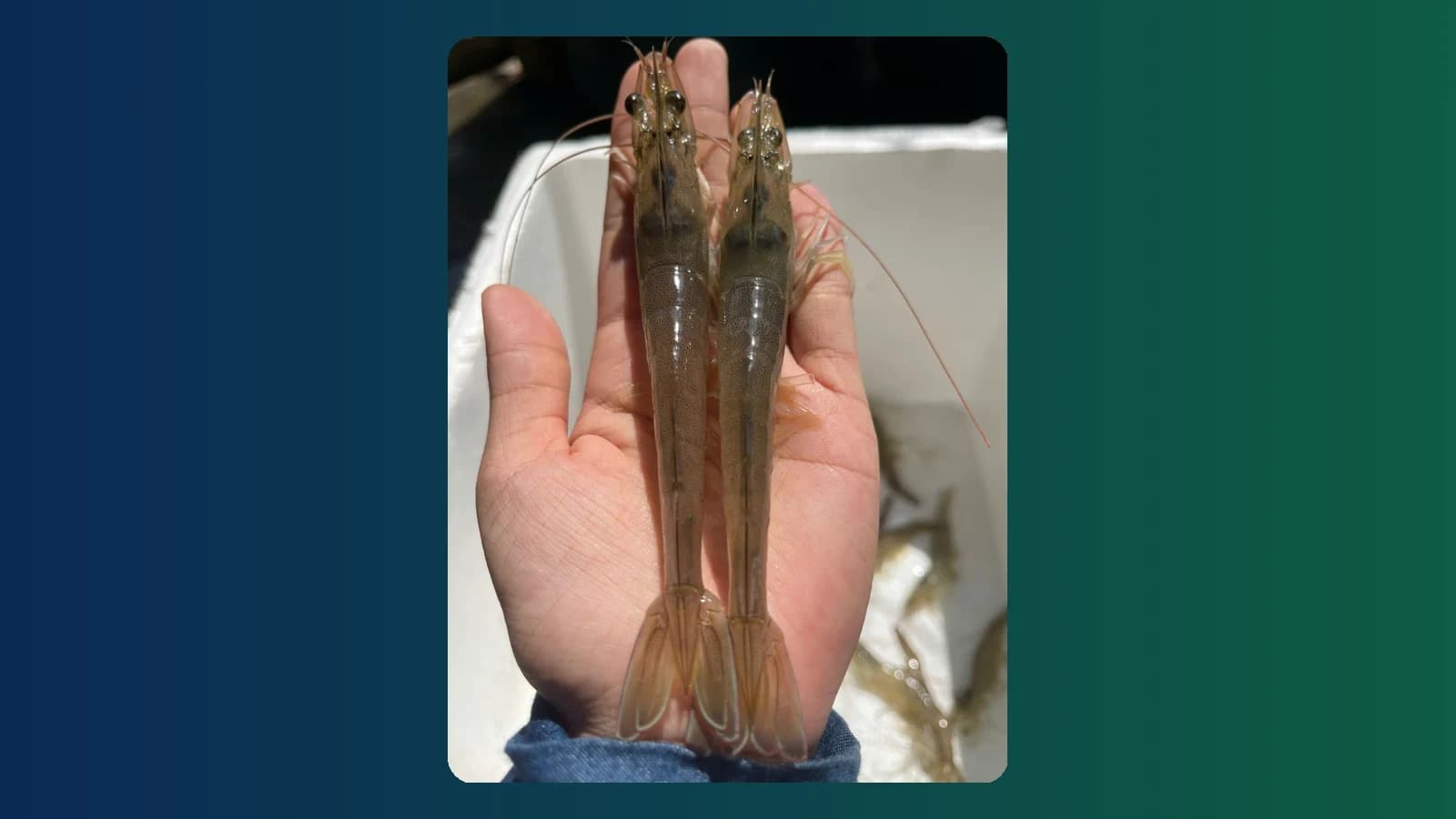
A new study has shown that shrimp that have the opportunity to move to warmer waters during a White Spot Syndrome Virus (WSSV) outbreak have a significantly higher chance of survival.
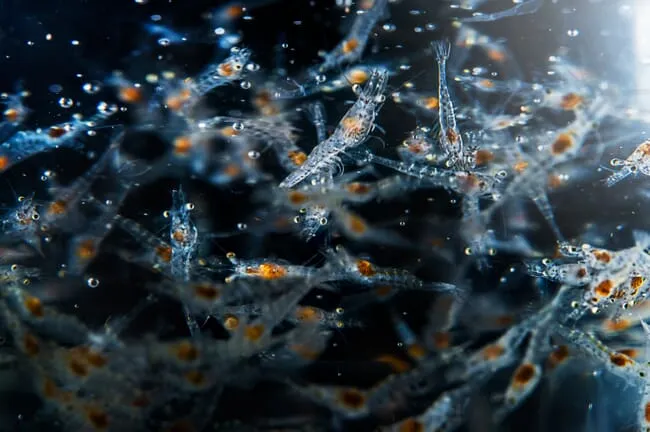
Juvenile whiteleg shrimp
Research shows that by moving to warmer waters, shrimp can reduce the replication rate of the White Spot Syndrome Virus (WSSV).
While warm-blooded animals typically increase their body temperature to limit pathogen infection, in a process known as fever, cold-blooded animals (ectotherms) can achieve similar results by migrating to warmer places, in a process called “behavioral fever”.
The new study led by researchers at Ghent University examined the existence – and impact – of behavioral fever in whiteleg shrimp Penaeus vannamei infected with WSSV
In the study, shrimp weighing 15 ± 0.5g were intramuscularly injected with WSSV and kept in a four-compartment system (4-CS) – either one with all compartments at 27°C or one with a thermal gradient (27–29–31–33°C).
During the first 4 days post-challenge, 94% of WSSV-challenged shrimp died in the 4-CS with a fixed temperature (27°C), whereas only 28% of WSSV-challenged shrimp died in the system with a thermal gradient.
Behavioral fever is used by shrimp to increase their temperature when infected with WSSV. Behavioral fever prevents WSSV infection and mortality
“Challenged animals clearly showed a movement towards warmer compartments, while this was not the case for mock-challenged and unchallenged animals. With primary lymphoid organ cell cultures, it was demonstrated that increasing the temperature from 27–29°C to 31–33°C inhibits viral replication,” the researchers explained.
“It was concluded that behavioral fever is used by shrimp to increase their temperature when infected with WSSV. Behavioral fever prevents WSSV infection and mortality,” they added.
The researchers noted that, depending on the environment, WSSV infection can cause extremely high mortality rates of up to 100% within 3–10 days, and the virus can replicate in susceptible hosts, such as shrimp, crayfish, and crabs, at temperatures ranging from 16 to 32°C.
“It has previously been demonstrated in our laboratory that increasing water temperature from 27 to 33°C can prevent viral replication and disease/mortality in WSSV-infected shrimp during the acute infection phase before clinical signs appear. Here we extend these findings by demonstrating the ability of shrimp to use thermal preference by moving towards higher temperatures to reduce the lethal impact of White Spot Syndrome Virus.”
Source: The Fish Site