In land-based fish farms using the RAS model, seawater is recirculated, passing through a biofilter, and cleaned. However, H2S gas can rapidly form in the biofilter, leading to fish mortality.
Only in recent years has large-scale salmon production in land-based facilities developed, and H2S has become an important research topic. There was little knowledge about why the gas forms, and almost no knowledge about what it does to fish. However, modern studies have shed light on these issues.
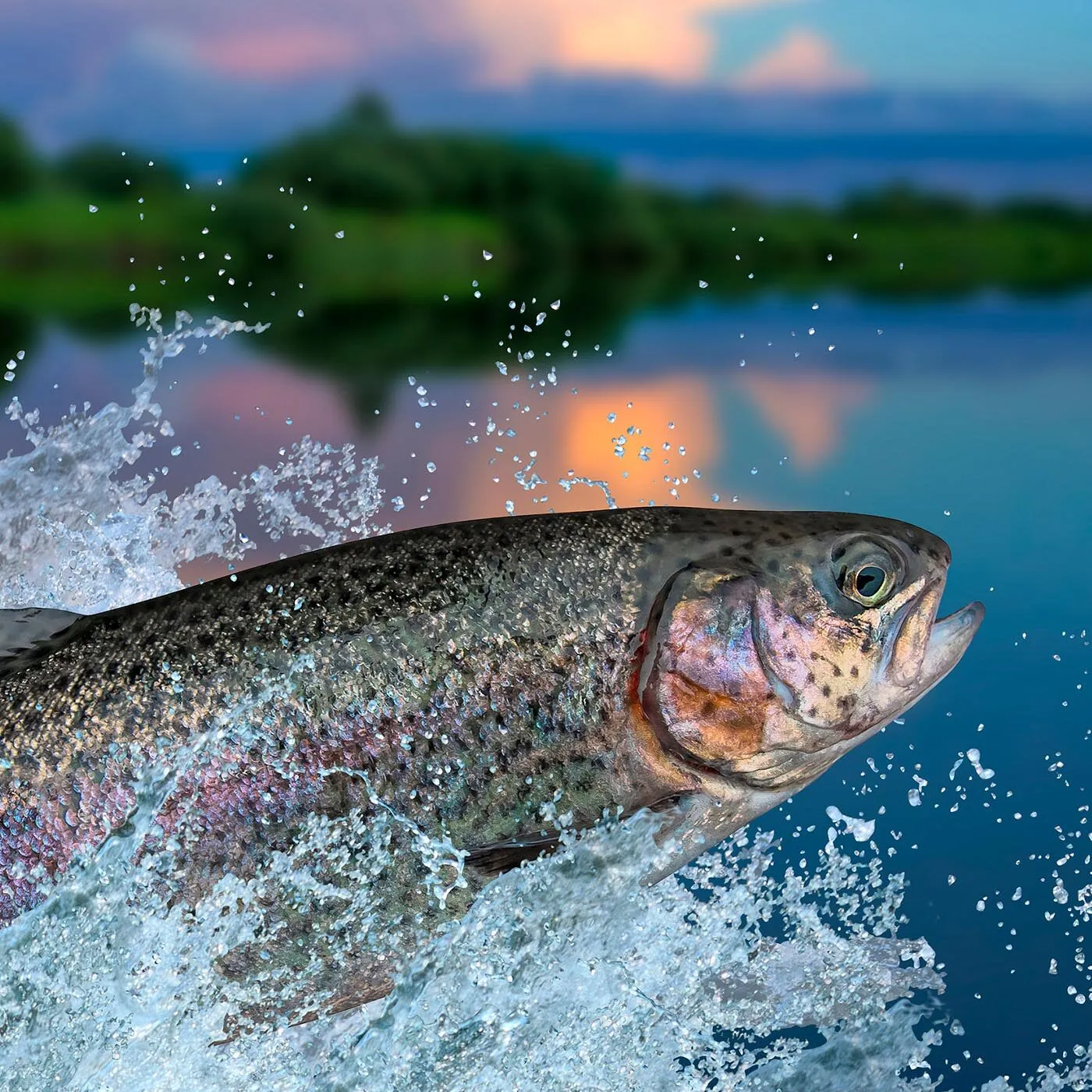
Scientists exposed salmon to short-term and long-term H2S in water. Fish were exposed to doses of 0, 1, and 5 mg H2S/liter of water, respectively, for 1 hour and then analyzed after 24 hours. Fish exposed long-term to H2S over a 4-week period were analyzed after 0, 2, and 4 weeks.
Two weeks after H2S exposure, fish were stress-tested by rearing them at high densities to evaluate how they reacted to a secondary stressor. Once these data are analyzed, more can be learned about how H2S exposure affects fish health and their ability to cope with stress.
Olfactory and tactile senses sensitive to H2S
Analyses showed how many genes in different organs were activated during and after fish exposure to H2S – the number of activated genes indicates the sensitivity level of that organ.
Tests showed that the nose reacted most strongly to H2S during long-term exposure. Scientists also studied the gills and skin, which, like the nose, are part of the first line of defense in contact with water. The skin was the most sensitive organ in short-term tests, but the least sensitive in long-term tests.
More gene groups in the nose reacted to H2S than in other organs. These include genes related to stress, tissue repair, and the immune system. Previous research we conducted showed that gene activity in the immune cells of the nose has some similarities to how immune cells in the human nose react to H2S.
After prolonged exposure, salmon could also change their behavior, and scientists observed some visible skin color changes, especially near the head and mouth. Some fish died in the group exposed to the highest level (5 mg/l) for a long period.
Salmon adapted well to low-level, long-term exposure, while the highest levels caused problems. The water environment in RAS is constantly moving, so there will always be a certain amount of H2S.
Need for better measuring tools
However, he believes this depends on access to fast and reliable measuring tools that can detect low levels and simultaneously measure very high levels. Companies developing more sensitive H2S sensors have shown great interest in this issue.
Another good piece of news for operators of RAS facilities is that hydrogen peroxide is an emergency solution that can reduce H2S levels in less than half an hour. Danish scientists working on the project discovered this.
Source: thefishsite