
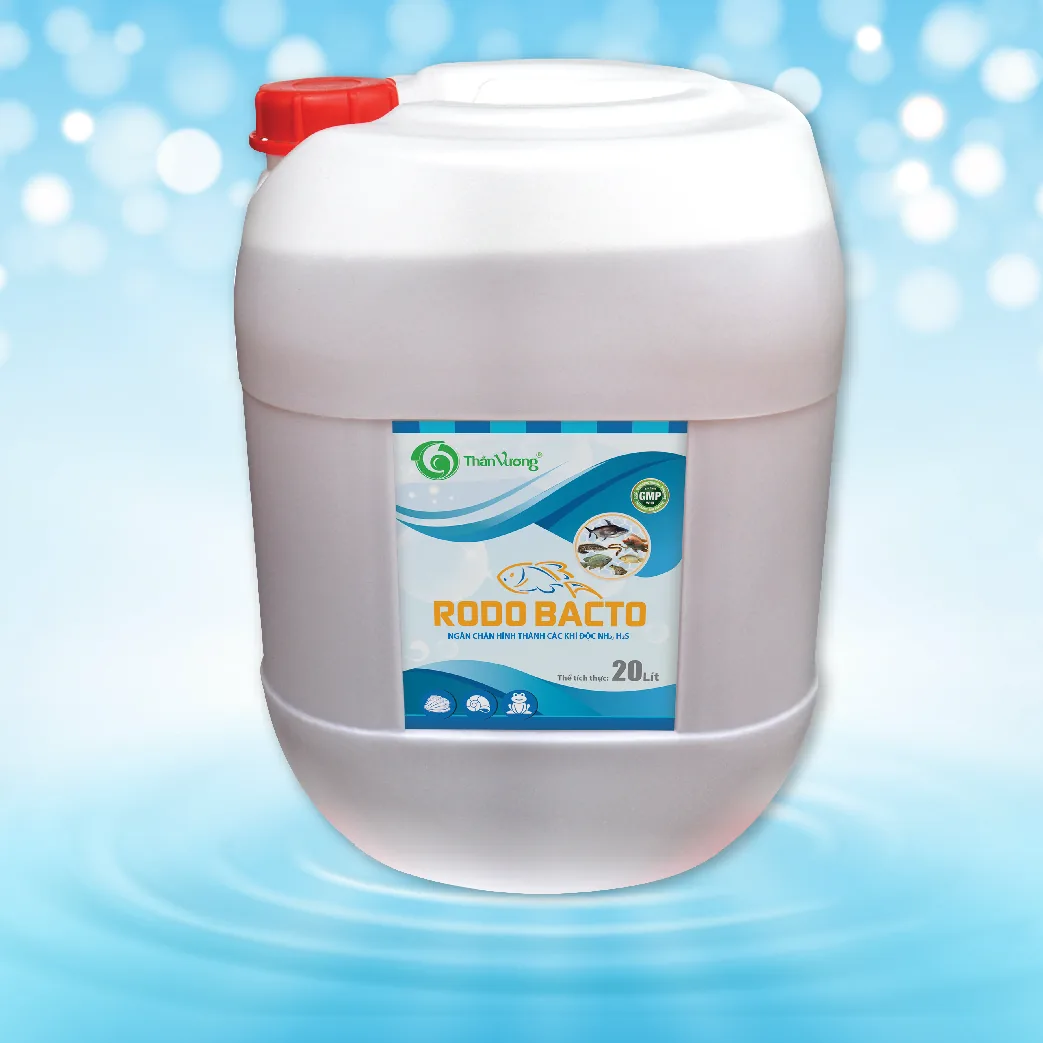

- Marine fish, freshwater fish, apple snails — newly prepared pond, smelly water2 – 3 kg/1,000 m³
- Marine fish, freshwater fish, apple snails — during culture1 – 2 kg/1,000 m³
- Polluted pond, dense algae, high organics and toxic gas3 kg/1,000 m³
Two photosynthetic bacteria, Rhodobacter and Rhodopseudomonas, break down organic sludge such as fish droppings, dead algae and uneaten feed — helping to deal with toxic NH₃ and H₂S, clean the pond bottom and keep the water colour stable for fish.
- 0.5 × 10⁹
- CFU/L Rhodobacter (min)
- 0.5 × 10⁹
- CFU/L Rhodopseudomonas sp. (min)
- 1 – 2 kg
- /1,000 m³, every 7 – 10 days in culture
- 20 L
- can
- Form
- Liquid
- Packaging
- 20 L can
- TCCS
- 105:2019/TV
- Product code
- 02014379
3 main benefits
- 01
Supplies photosynthetic bacteria (PSB) that break down organic sludge such as fish droppings, dead algae and uneaten feed; helps deal with toxic gases such as NH₃ and H₂S and keeps the water clean for fish.
- 02
Helps clean the bottom and limit bottom slime, helps keep unwanted fungi and protozoa in check; converts and reduces CO₂, helping to raise dissolved oxygen.
- 03
Helps keep the water colour stable and limits algal blooms.
Photosynthetic bacteria that clean fish pond water
Photosynthetic bacteria (PSB) grow on light and organic matter, so they work well in the water just above the bottom, where sludge and toxic gases build up. Apply in sunshine so the bacteria are most active.
- 01
Break down organic sludge
Help break down fish droppings, dead algae and uneaten feed; help deal with toxic gases such as NH₃ and H₂S and keep the water clean for fish.
- 02
Clean pond bottom
Help clean the bottom and limit bottom slime, and help keep unwanted fungi and protozoa in check.
- 03
More dissolved oxygen
Convert and reduce CO₂ in the water, helping to raise dissolved oxygen.
- 04
Stable water colour
Help keep the water colour stable and limit algal blooms.
Dosage per the product label
Dilute in clean water and apply directly to the pond, preferably in sunshine. Based on water volume (m³ = area × depth).- Marine fish, freshwater fish, apple snails — newly prepared pond, smelly water2 – 3 kg/1,000 m³
- Marine fish, freshwater fish, apple snails — during culture1 – 2 kg/1,000 m³Every 7 – 10 days
- Polluted pond, dense algae, high organics and toxic gas3 kg/1,000 m³Every 2 – 3 days
- Frogs, apple snails, eels, fingerlings in tanks — during culture1 kg/100 – 200 m³At each water exchange or every 3 – 5 days
- Polluted, smelly or slimy tanks1 kg/100 – 150 m³At each water exchange or every 2 – 3 days
How to use
- 1Shake the can, dilute in clean water and apply directly to the pondBest applied in sunshine.
- 2High toxic gas and no water to exchange: treat with Yucca firstAdd RODO BACTO 4 – 8 hours after the Yucca.
Adjust the dose to actual pond conditions such as stocking density, water quality and weather.
If the can has swollen hard, take care with the pressure when opening.
Close the can tightly after use if not finished.
Withdrawal period before harvest: 0 days.
Composition · StorageComposition and storage
Composition
Rhodobacter, Rhodopseudomonas sp., Solvent (distilled water).
Quality specification
Rhodobacter (min): 0.5 x 10^9 CFU/L Rhodopseudomonas sp. (min): 0.5 x 10^9 CFU/L Solvent (distilled water) to 1 litre
Storage
Store in a dry, cool place away from direct sunlight. Keep out of reach of children.
Registration
- Company standard
- TCCS 105:2019/TV
- Reg. no.
- 02014379
- Form
- Liquid
FAQFrequently asked questions
- What is RODO BACTO used for?
- Photosynthetic bacteria that break down organic sludge and prevent toxic NH₃ and H₂S forming in fish ponds
- How to use RODO BACTO?
- Dilute in clean water and apply directly to the pond, preferably in sunshine. Marine fish, freshwater fish, apple snails: newly prepared pond, smelly water: 2 – 3 kg/1,000 m³; during culture: 1 – 2 kg/1,000 m³ every 7 – 10 days; polluted pond with dense algae, high organics and toxic gas: 3 kg/1,000 m³ every 2 – 3 days. Frogs, apple snails, eels and fingerlings in tanks: during culture: 1 kg/100 – 200 m³ at each water exchange or every 3 – 5 days; polluted, smelly or slimy tanks: 1 kg/100 – 150 m³ at each water exchange or every 2 – 3 days. If toxic gas is high and there is no water to exchange, treat with Yucca first and add RODO BACTO 4 – 8 hours later. Adjust the dose to stocking density, water quality and weather. Shake well before use; if the can has swollen hard, take care with the pressure when opening. Close the can tightly after use if not finished. Withdrawal period before harvest: 0 days.
- Main benefits of RODO BACTO?
- Supplies photosynthetic bacteria (PSB) that break down organic sludge such as fish droppings, dead algae and uneaten feed; helps deal with toxic gases such as NH₃ and H₂S and keeps the water clean for fish. Helps clean the bottom and limit bottom slime, helps keep unwanted fungi and protozoa in check; converts and reduces CO₂, helping to raise dissolved oxygen. Helps keep the water colour stable and limits algal blooms.
- What packaging does RODO BACTO come in?
- RODO BACTO comes in Can 20 L.
Product Reviews
No reviews yet. Be the first!
What pairs well with this product?
RODO BACTO is often combined with products from the same line for the best results.
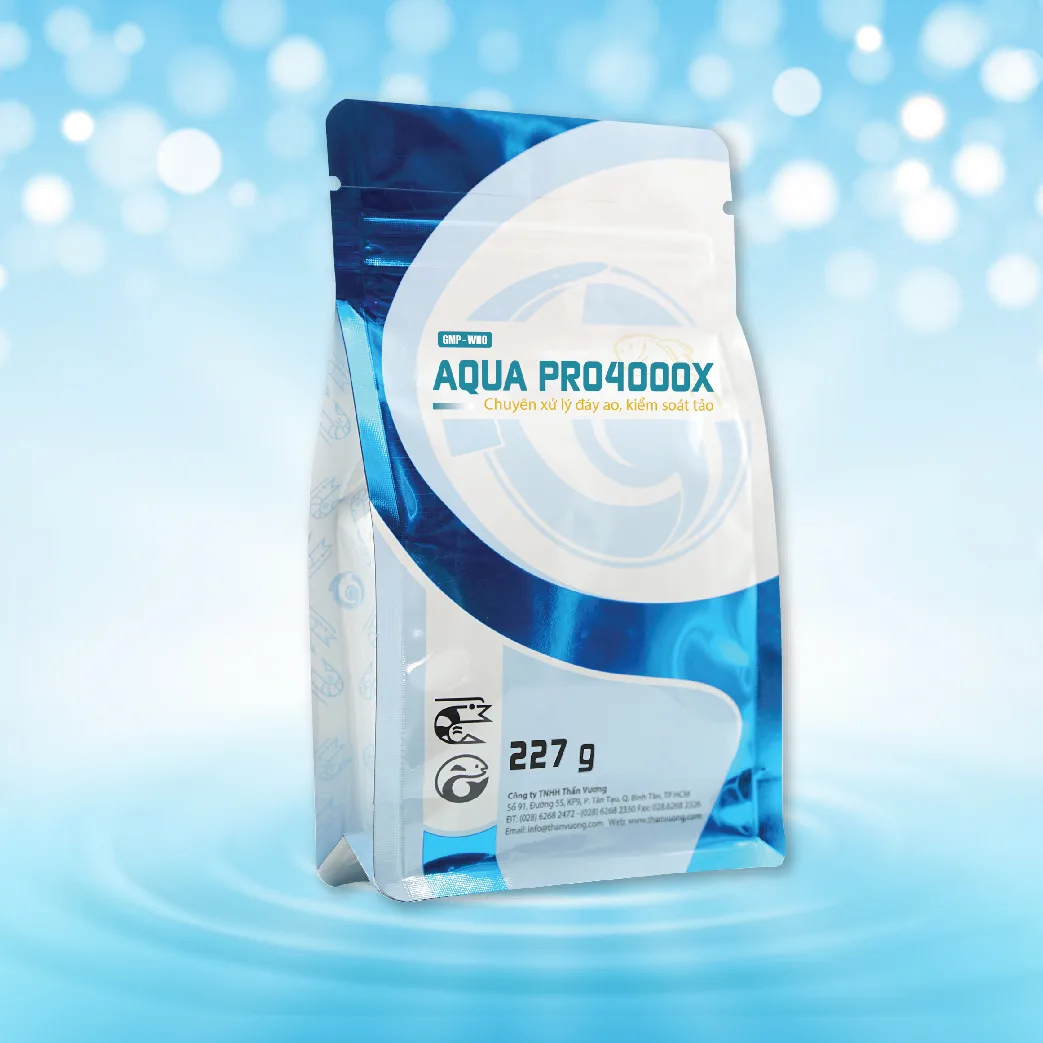 AQUA PRO4000XWide-salinity range microbial, environmental treatment, water purification, harmful bacteria reduction
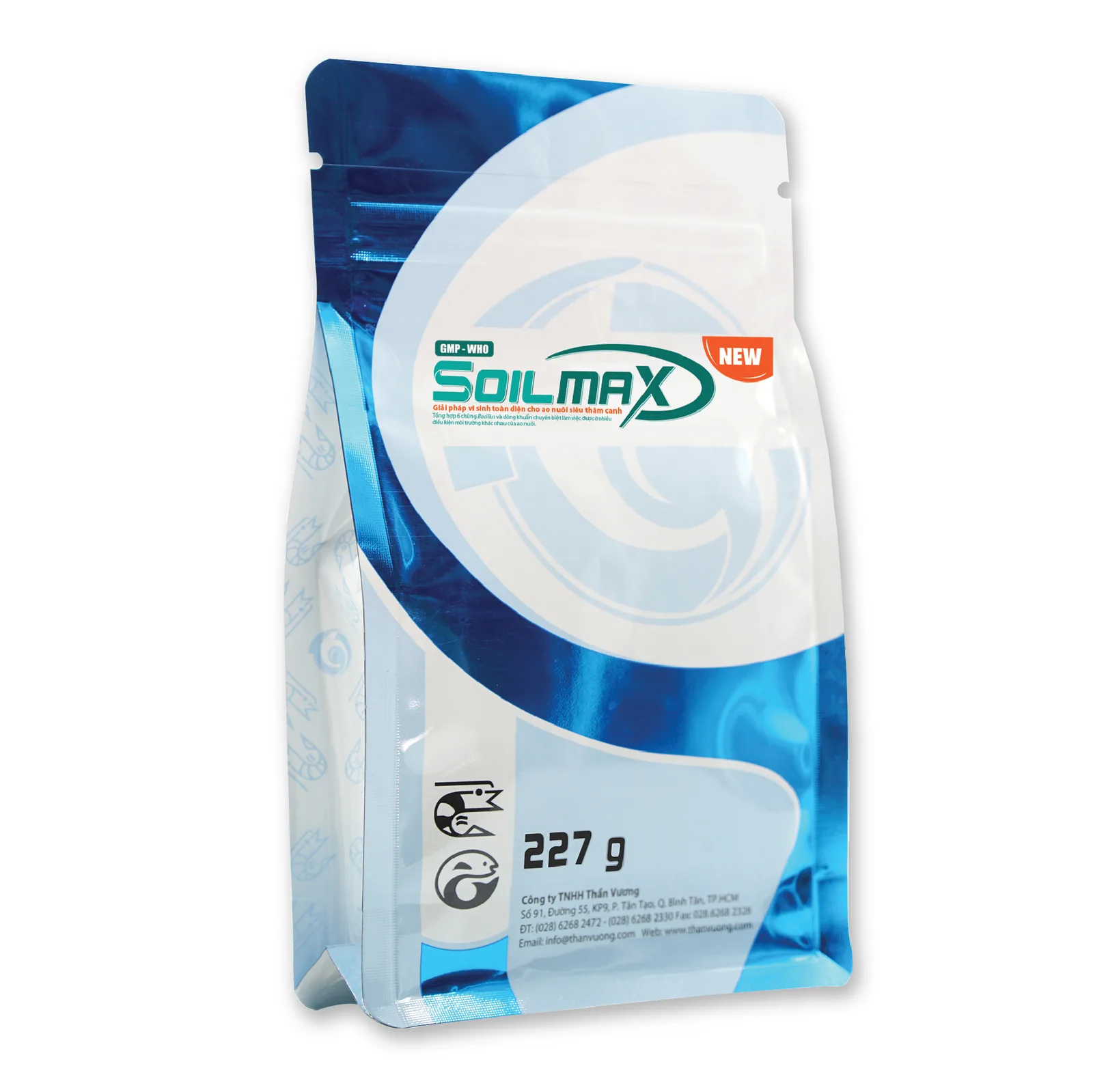 SOILMAX NewConcentrated probiotic, for high-density fish/snails/frogs/eels farming, reduces ammonia
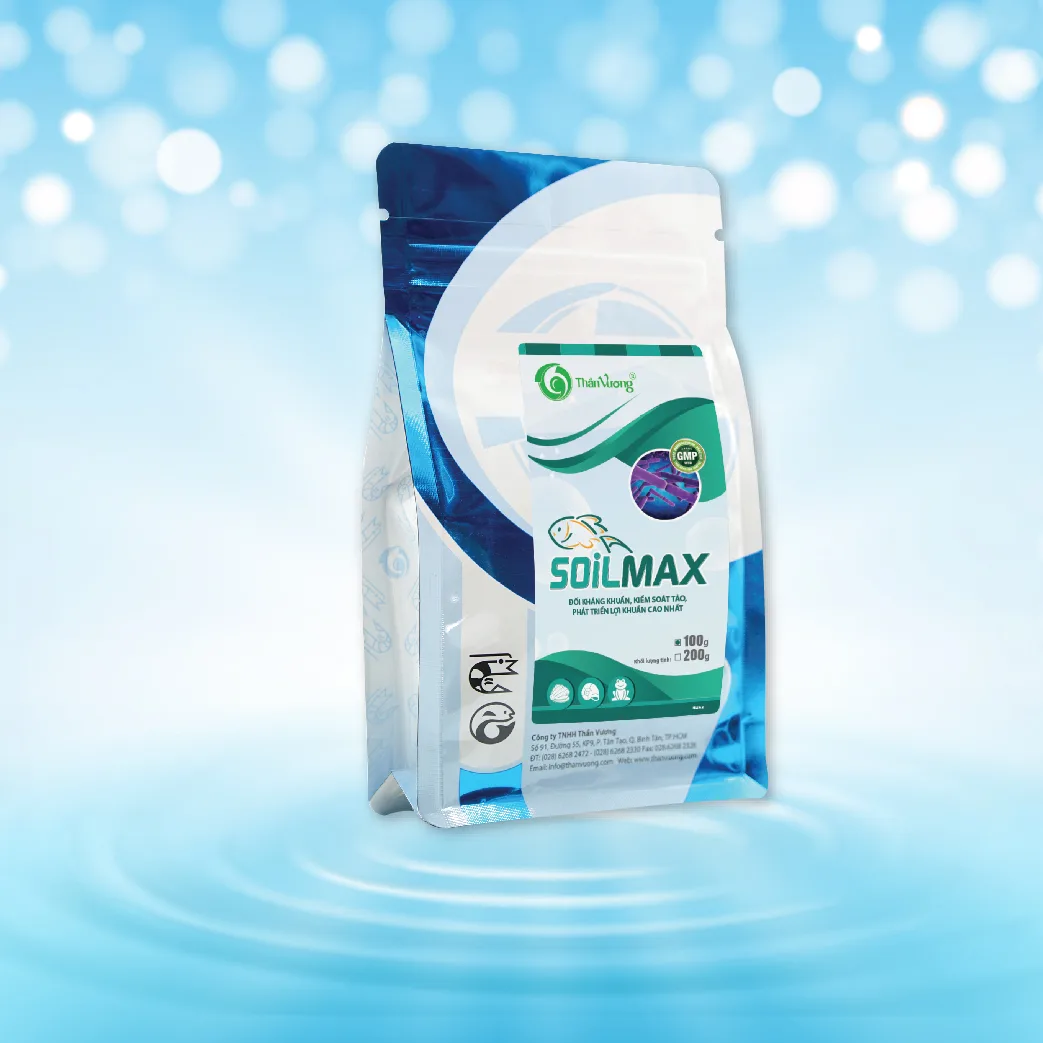 SOILMAXConcentrated multi-strain microbial product, environmental treatment, water purification
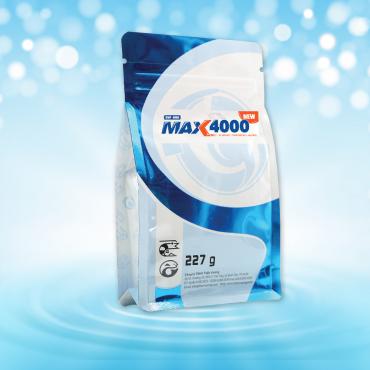 MAX 4000Wide salinity probiotics, highly active in low-oxygen bottom layers, for algae control
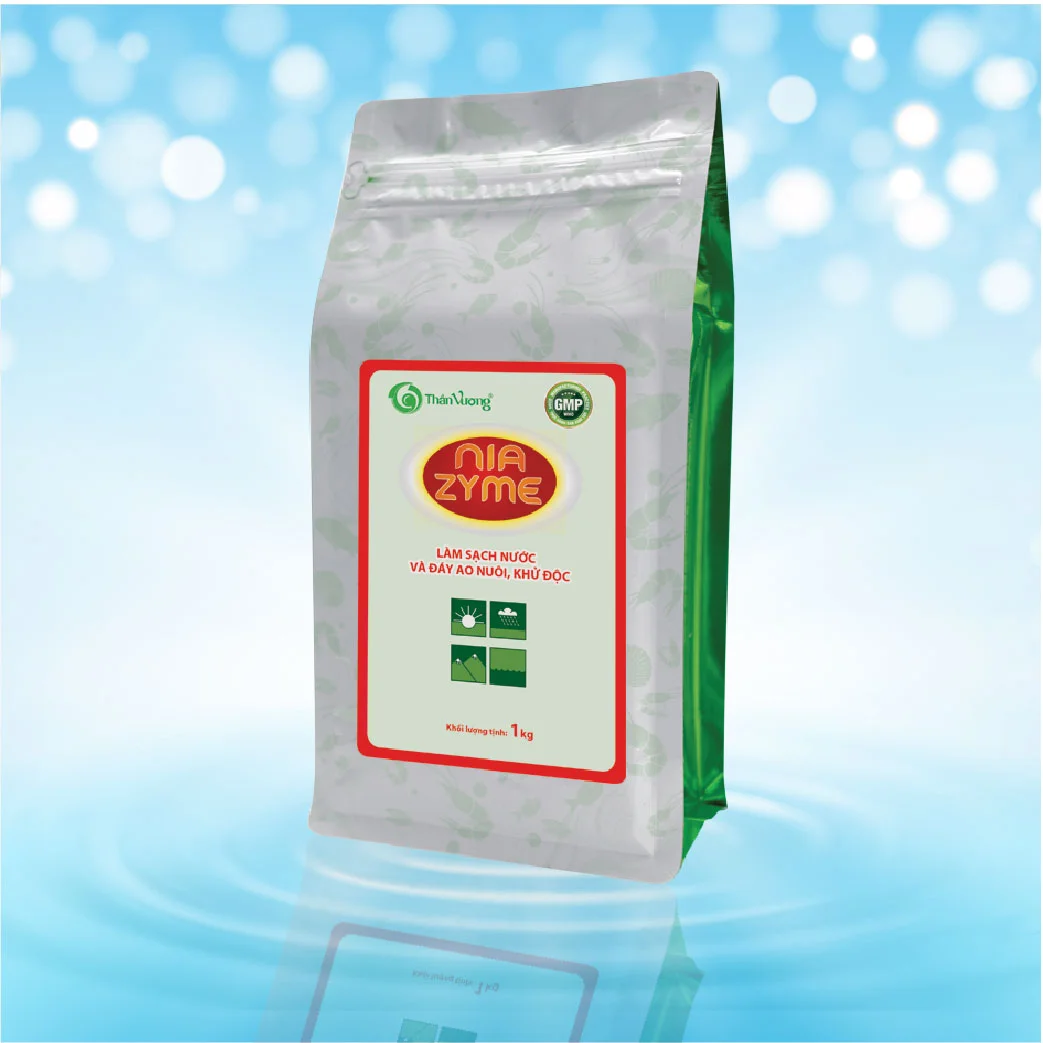 NIAZYMEProbiotic that builds water colour and turns fish pond water green
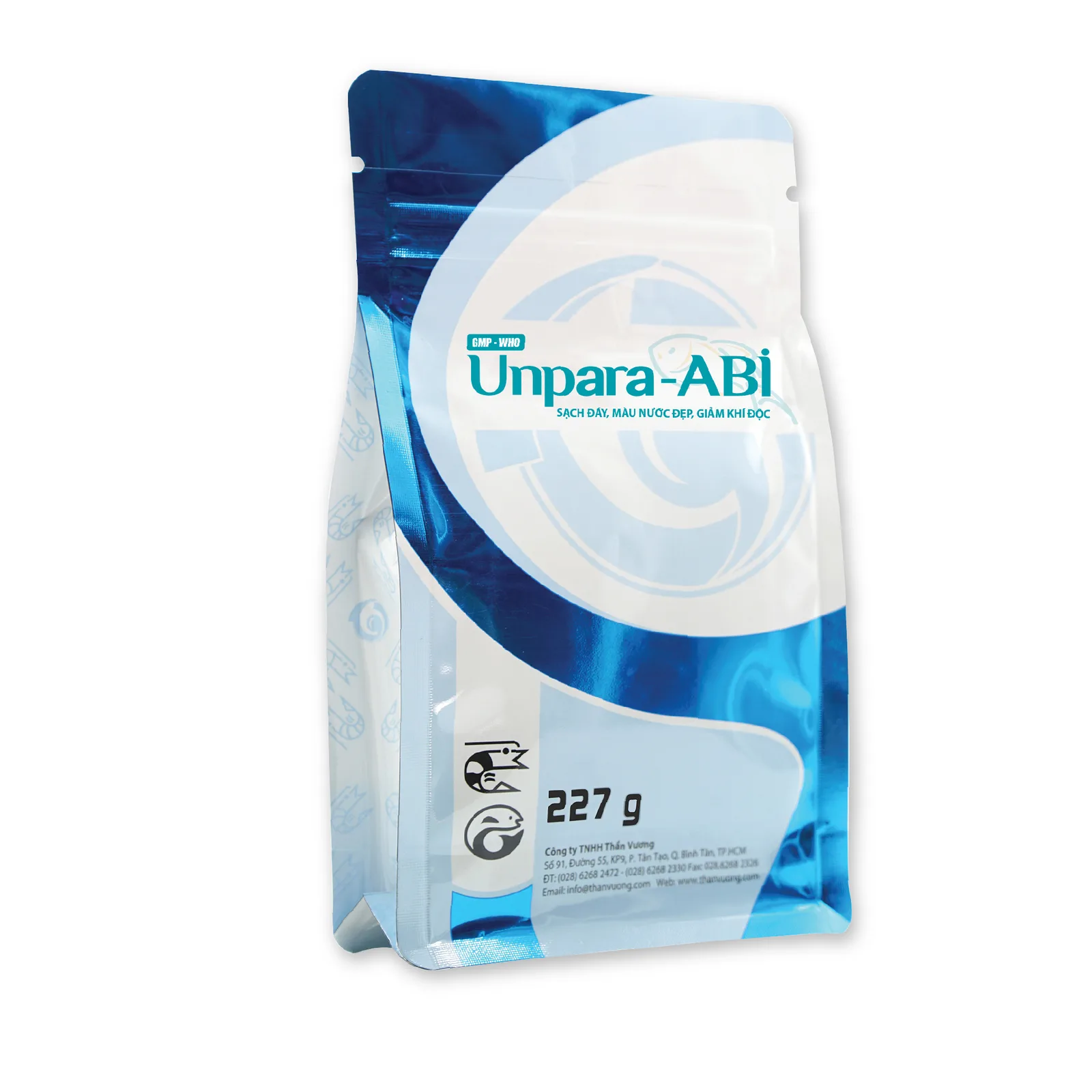 UNPARA ABIMicrobial pond bottom cleaner, improves water color
Smelly fish pond, slimy bottom, high toxic gas?
Message us on Zalo or call the hotline for free advice from Than Vuong’s technical team — reply within 24h.