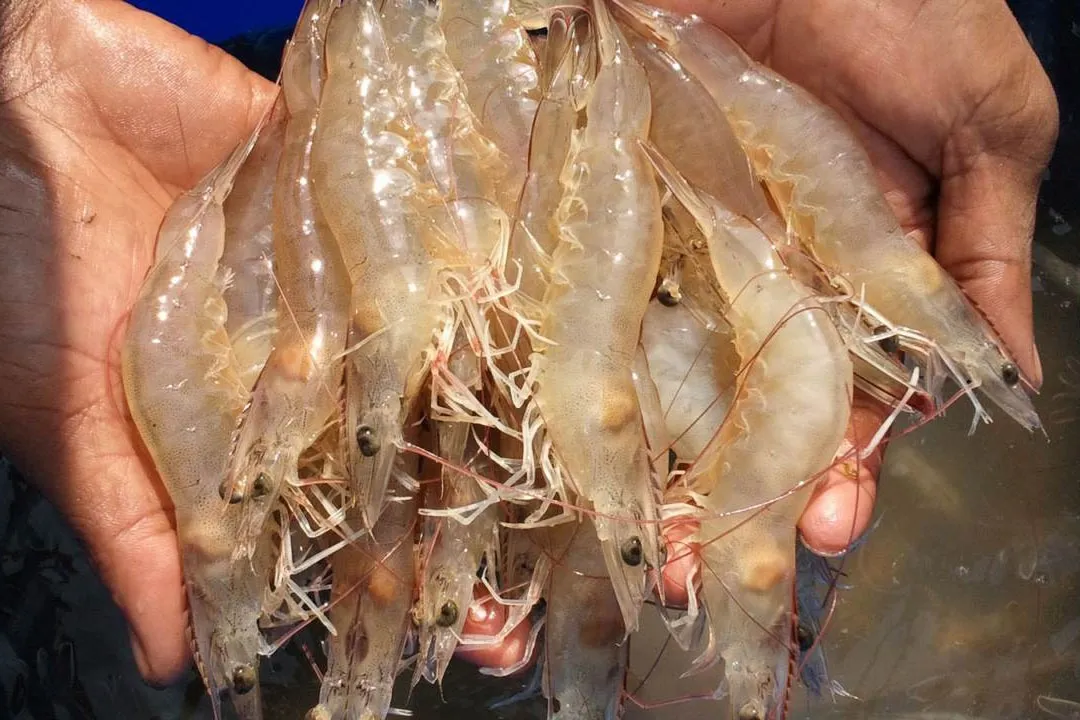
Probiotics enhance immunity in whiteleg shrimp
This article introduces the synergistic effect of supplementing a probiotic mixture, which is more effective in improving the growth performance of whiteleg shrimp compared to single probiotics.
Using Probiotics to Enhance Immunity in Whiteleg Shrimp
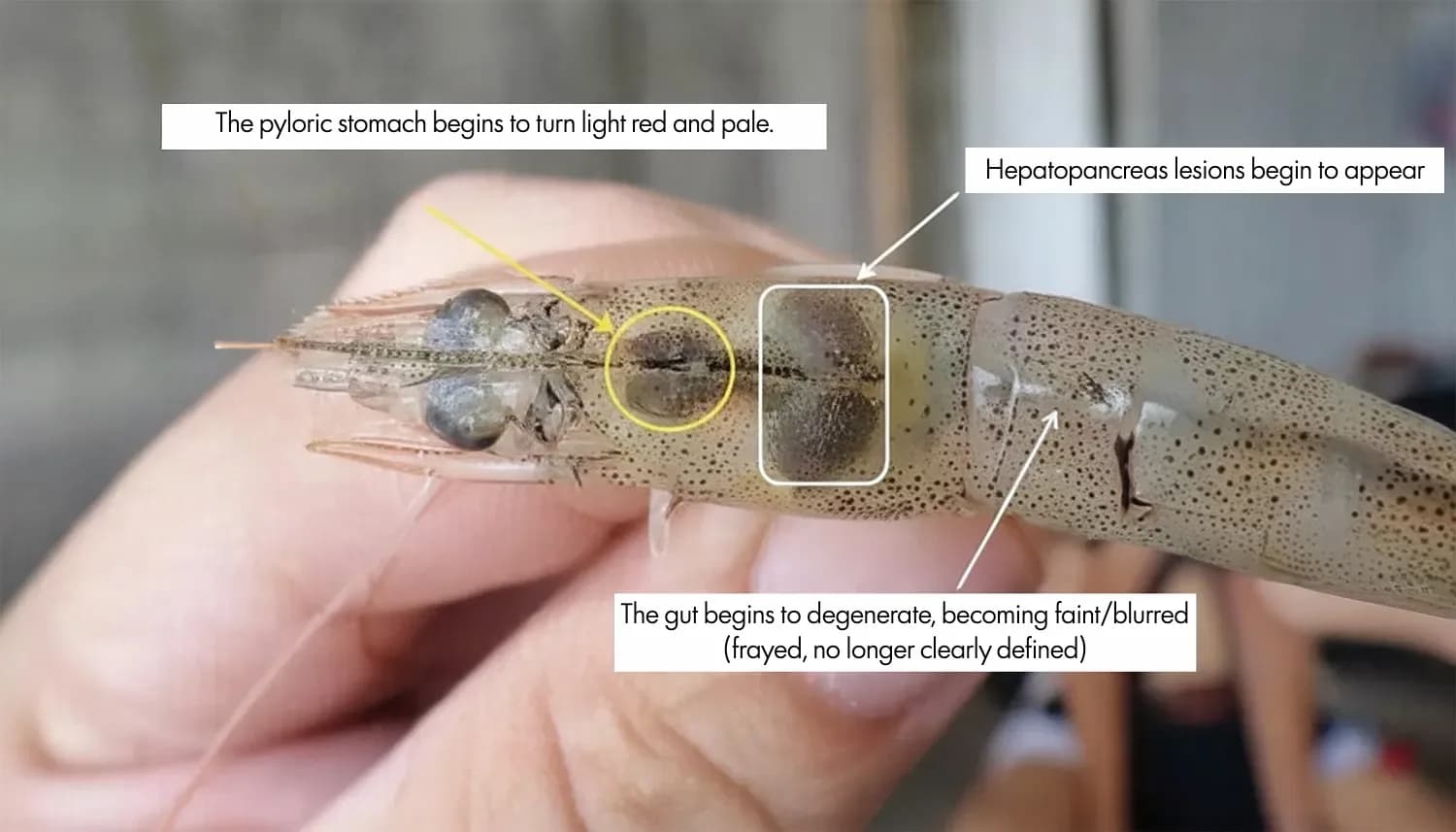
2019 was a challenging year for shrimp farming due to the impact of climate change and erratic weather patterns. Shrimp faced prolonged and increasingly complex disease outbreaks. Typical examples include WSSV (White Spot Syndrome Virus), AHPND (Acute Hepatopancreatic Necrosis Disease), and EHP (Enterocytozoon hepatopenaei), many of which still lack definitive treatment solutions. Therefore, disease prevention is extremely important.
Furthermore, the overuse of antibiotics in aquaculture is an urgent issue of concern to both authorities and consumers. This is because it not only harms the farming environment and the quality of farmed animals but also directly affects consumer health. Therefore, new alternative strategies are necessary to promote the development of aquatic animals and control pathogens.
Probiotics are a promising alternative for improving disease resistance and stimulating the growth of farmed shrimp.
Research on the Application of Probiotic Mixtures for Whiteleg Shrimp Growth
The study involved supplementing a microbial mixture of Lactobacillus pentosus BD6, Lac. fermentum LW2, Saccharomyces cerevisiae P13, and Bacillus subtilis E20, as well as supplementing each microorganism individually for 56 days, and monitoring growth rates. Subsequently, all treatments were challenged with V. alginolyticus bacteria, and mortality rates were monitored for 14 days.
- Treatment 1: Control, no probiotic supplementation.
- Treatment 2: Mixture of Lactobacillus pentosus BD6, Lac. fermentum LW2, Saccharomyces cerevisiae P13, and Bacillus subtilis E20 at a concentration of 107 cfu/kg feed.
- Treatment 3: Mixture of Lactobacillus pentosus BD6, Lac. fermentum LW2, Saccharomyces cerevisiae P13, and Bacillus subtilis E20 at a concentration of 108 cfu/kg feed.
- Treatment 4: Mixture of Lactobacillus pentosus BD6, Lac. fermentum LW2, Saccharomyces cerevisiae P13, and Bacillus subtilis E20 at a concentration of 109 cfu/kg feed.
- Treatment 5: Lactobacillus pentosus BD6 at a concentration of 109 cfu/kg feed.
- Treatment 6: Bacillus subtilis E20 at a concentration of 109 cfu/kg feed.
- Treatment 7: Lac. fermentum LW2 at a concentration of 109 cfu/kg feed.
- Treatment 8: Saccharomyces cerevisiae P13 at a concentration of 109 cfu/kg feed.
Results
After 56 days, the growth rate of Treatment 2 supplemented with microbial mixture at 108 cfu/kg feed and Treatments 5 (BD6) and 6 (E20) at 109 cfu/kg feed significantly improved shrimp growth and health status, while the remaining treatments did not significantly affect shrimp growth.
There was no significant difference in carcass composition between the control group and other treatments. After 56 days of feeding, shrimp fed diets containing probiotic mixtures at concentrations of 107 ~109 cfu/kg feed and single probiotics (except S. cerevisiae P13) at 109 cfu/kg feed showed higher survival rates after V. alginolyticus bacterial challenge compared to the control group.
The improved disease resistance of shrimp in groups fed probiotic mixtures could be attributed to increased phenoloxidase activity, respiratory burst activity, and lysozyme activity, as well as enhanced phagocytic capacity upon exposure to V. alginolyticus bacteria.
The study results show that supplementing with a microbial mixture is more effective in improving shrimp growth performance compared to single probiotics. Therefore, it is necessary to research the production of probiotics containing Lactobacillus pentosus BD6, Lac. fermentum LW2, Saccharomyces cerevisiae P13, and Bacillus subtilis E20, and recommend their use at a concentration of 108 cfu/kg feed to stimulate growth and enhance disease resistance against pathogens.
By Yu-Chu Wang, Shao-Yang Hu, Chiu-Shia Chiu, Chun-Hung Liu
Source: tepbac.com