Working hours: Mon - Fri | 08:00 - 17:00HOTLINE: 0867 95 7568
Technical Article

USING EMULSIFIERS IN AQUACULTURE FEED

Emulsifiers in animal feed play a role in helping animals enhance energy metabolism, effectively absorb poorly digestible fats, improve diarrhea, and prevent visceral fat accumulation in livestock and aquatic animals, especially in the liver.

ProtocolShrimpJuly 18, 2022👁 264 views
Click to listen to an AI-narrated summary
Full Article
USING EMULSIFIERS IN AQUACULTURE FEED
USE OF EMULSIFIERS IN AQUACULTURE FEED
1. Functions and Roles:
- Emulsifiers in animal feed play a role in helping animals enhance energy metabolism, effectively absorb indigestible fats, improve diarrhea, and prevent visceral fat accumulation in livestock and aquatic animals, especially in the liver.
- Helps make lipids easily digestible, providing an energy source for fish and reducing feed costs.
- Provides flexibility in using plant-based raw materials. 2. Some Emulsifiers in Aquaculture Feed
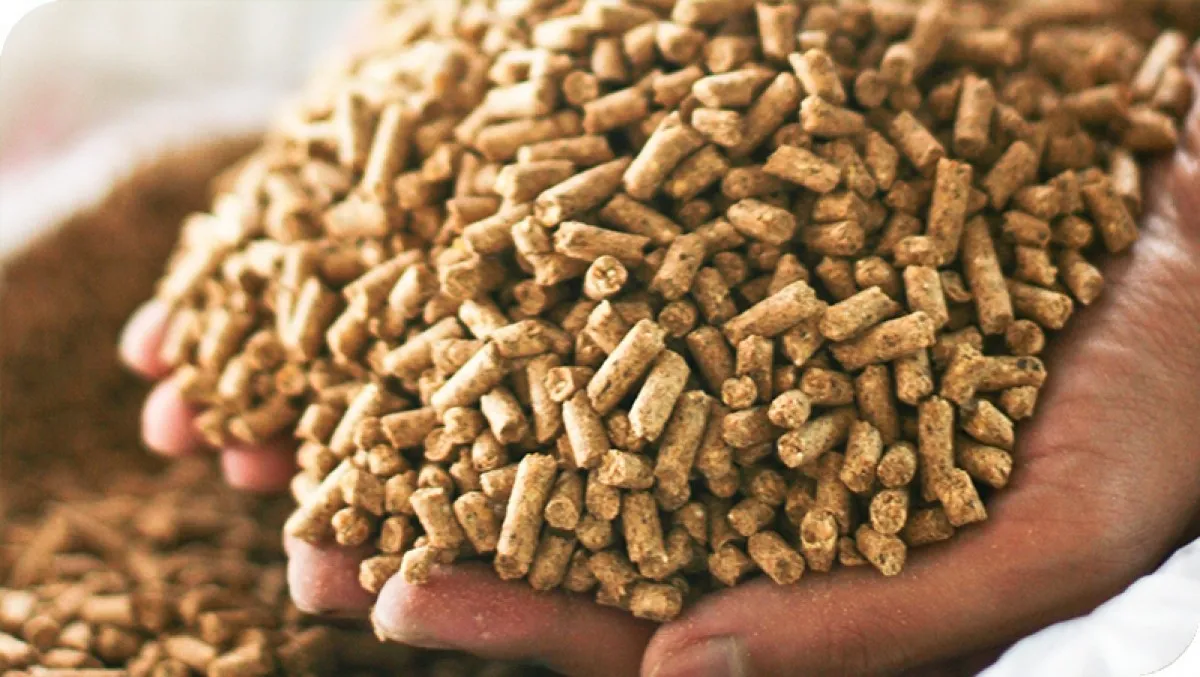
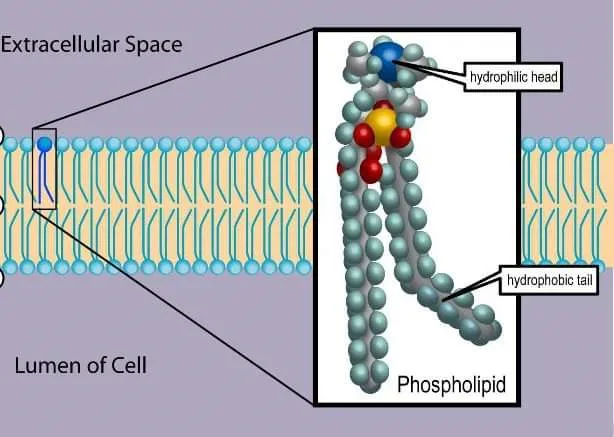
a. Lecithin & Lysolecithin: are well-known emulsifiers, with lecithin being the most common phospholipid used in animal nutrition.
- Lecithin and Lysolecithin are cost-effective solutions that improve the emulsion system in animal feed while stimulating nutrient absorption and uniform growth in various animals such as poultry, barramundi, and pigs.
- Lecithin is a phospholipid with surface-active properties that helps stabilize emulsion systems, found in soybean protein and egg whites.
- Supplementing lysolecithin in the diet of barramundi helps improve indices such as PE (protein efficiency) and FCR (feed conversion ratio).
b. Lyso-Phospholipid: is an emulsifier derived from Phospholipid after enzymatic hydrolysis.
- Promotes the formation of small micelles and high water absorption.
- Improves nutrient transport through the unstirred water layer surrounding the intestinal villi.
- Aids growth and improves FCR.
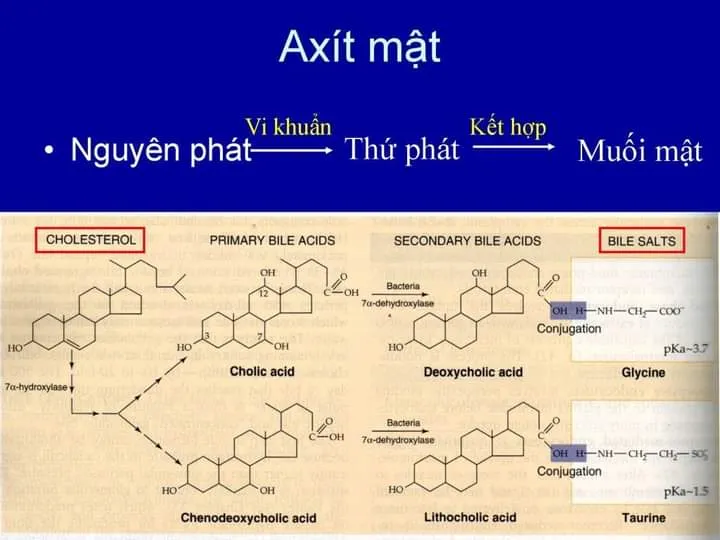
c. Bile Acids and Bile Salts: are emulsifiers composed of a mixture of potassium or sodium salts of conjugated bile acids derived from cholesterol with glycine or taurine.
- They are key metabolites of cholesterol, balancing cholesterol homeostasis and activating pancreatic lipase to hydrolyze fats into monoglycerides.
- In plant-based protein feeds, due to the limited availability of high-protein sources for many fish species, bile salt activity is reduced, leading to poor digestion. Supplementing bile salts is a way to overcome this impaired digestive function.
 

COMPILED FROM INTERNET                                                                                                                                                                                                                                                DEPARTMENT - PKT
Quick Q&A

Frequently asked questions on this topic

What does "USING EMULSIFIERS IN AQUACULTURE FEED" cover?

Emulsifiers in animal feed play a role in helping animals enhance energy metabolism, effectively absorb poorly digestible fats, improve diarrhea, and prevent visceral fat accumulation in livestock and aquatic animals, especially in the liver.

Which species does this article apply to?

Shrimp

Related Products

Products linked to this topic

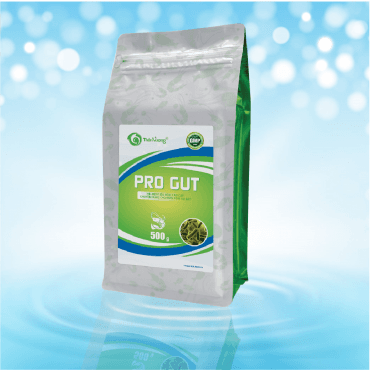
PRO GUT
ShrimpThan Vuong Blue

PRO GUT

Premium digestive probiotics specifically for shrimp farming in lined ponds

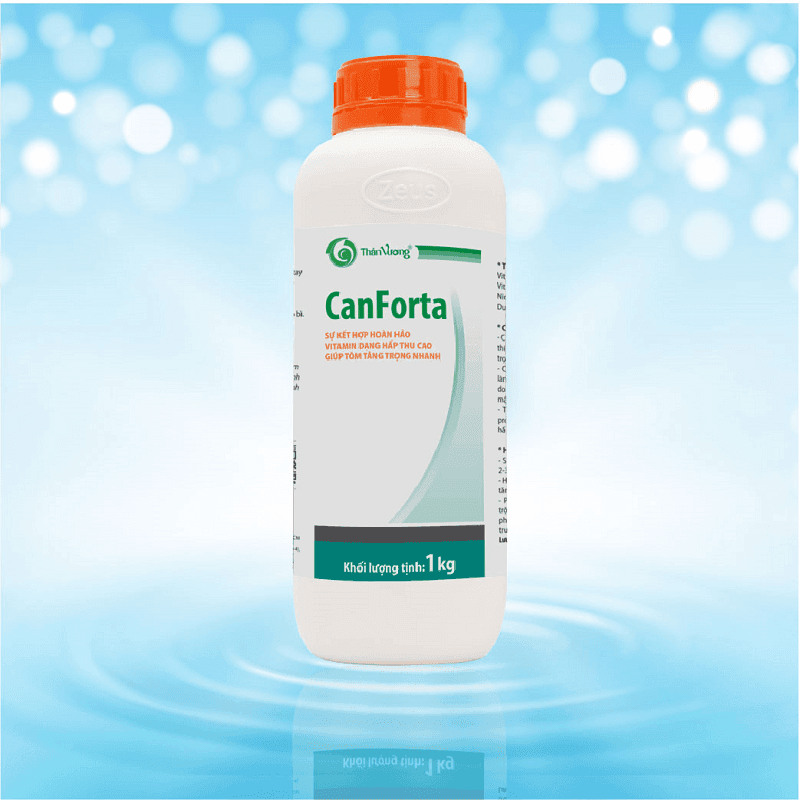
CANFORTA
ShrimpThan Vuong Blue

CANFORTA

High-absorption vitamin form helps shrimp gain weight quickly

More Reading

Related technical articles

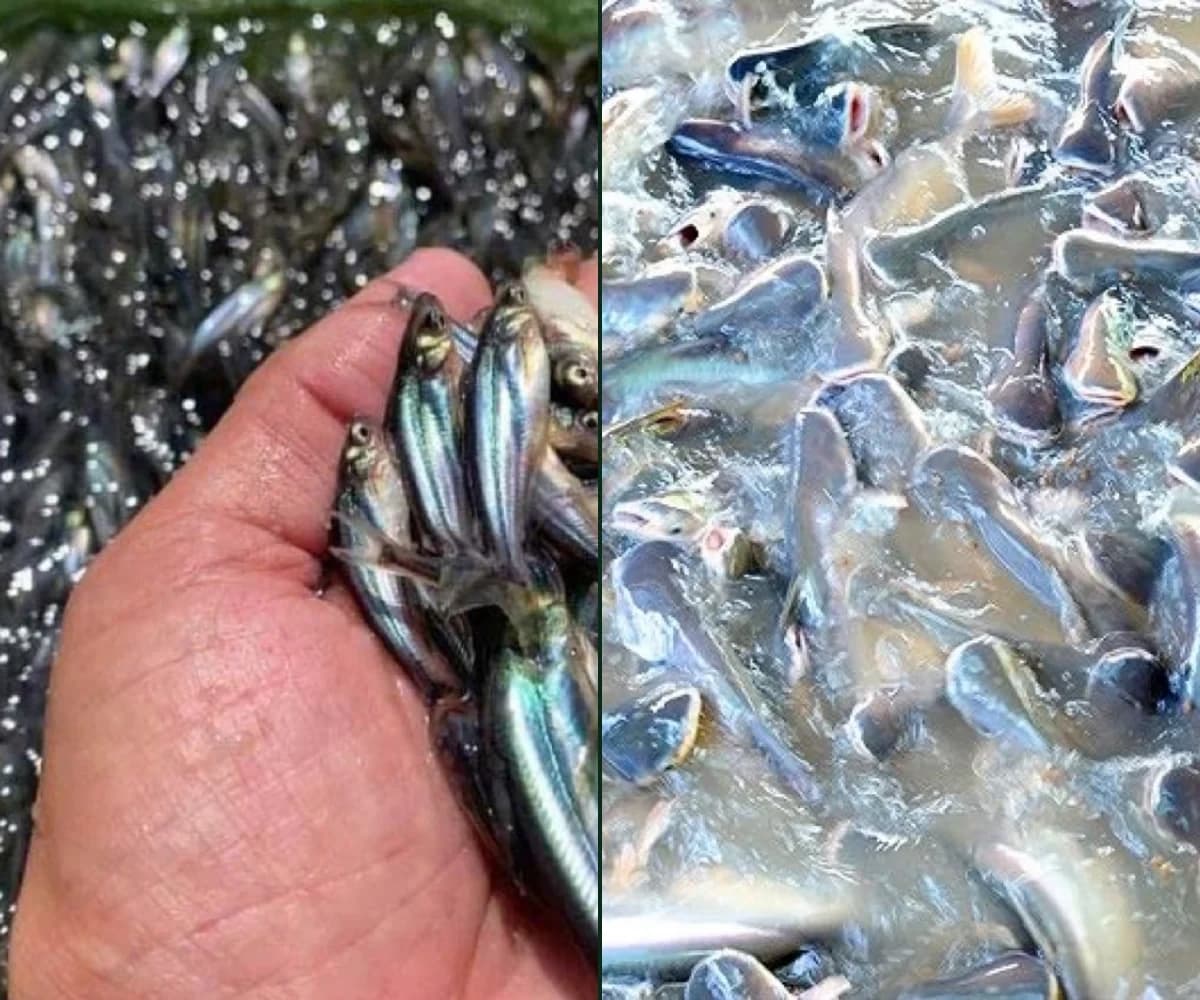
Striped catfish from nursery to grow-out: probiotics, digestive enzymes and feed protein and fat in new research
Technical article•Shrimp•November 1, 2026

Striped catfish from nursery to grow-out: probiotics, digestive enzymes and feed protein and fat in new research

A trial published on 30 October 2026: adding 2 g/kg probiotic to feed containing a digestive enzyme cut FCR in 10 g catfish fingerli[...]

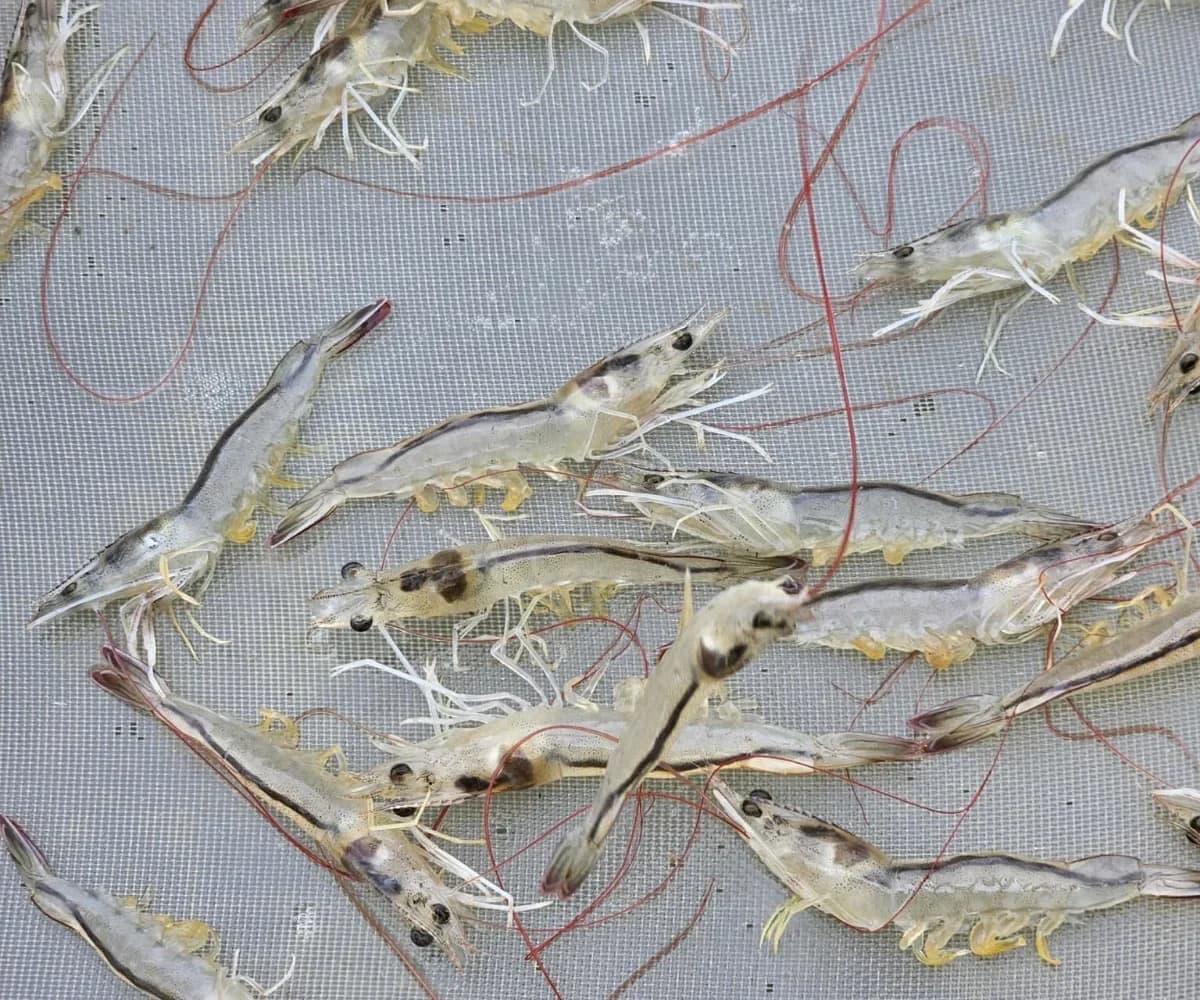
Preventing white feces from the gut: two new trials feeding beneficial bacteria and metabolites taken from healthy shrimp
Technical article•Shrimp•November 1, 2026

Preventing white feces from the gut: two new trials feeding beneficial bacteria and metabolites taken from healthy shrimp

A Ningbo University (China) team looked for what healthy shrimp guts have and white-feces guts lack, then fed it back for 14 days be[...]

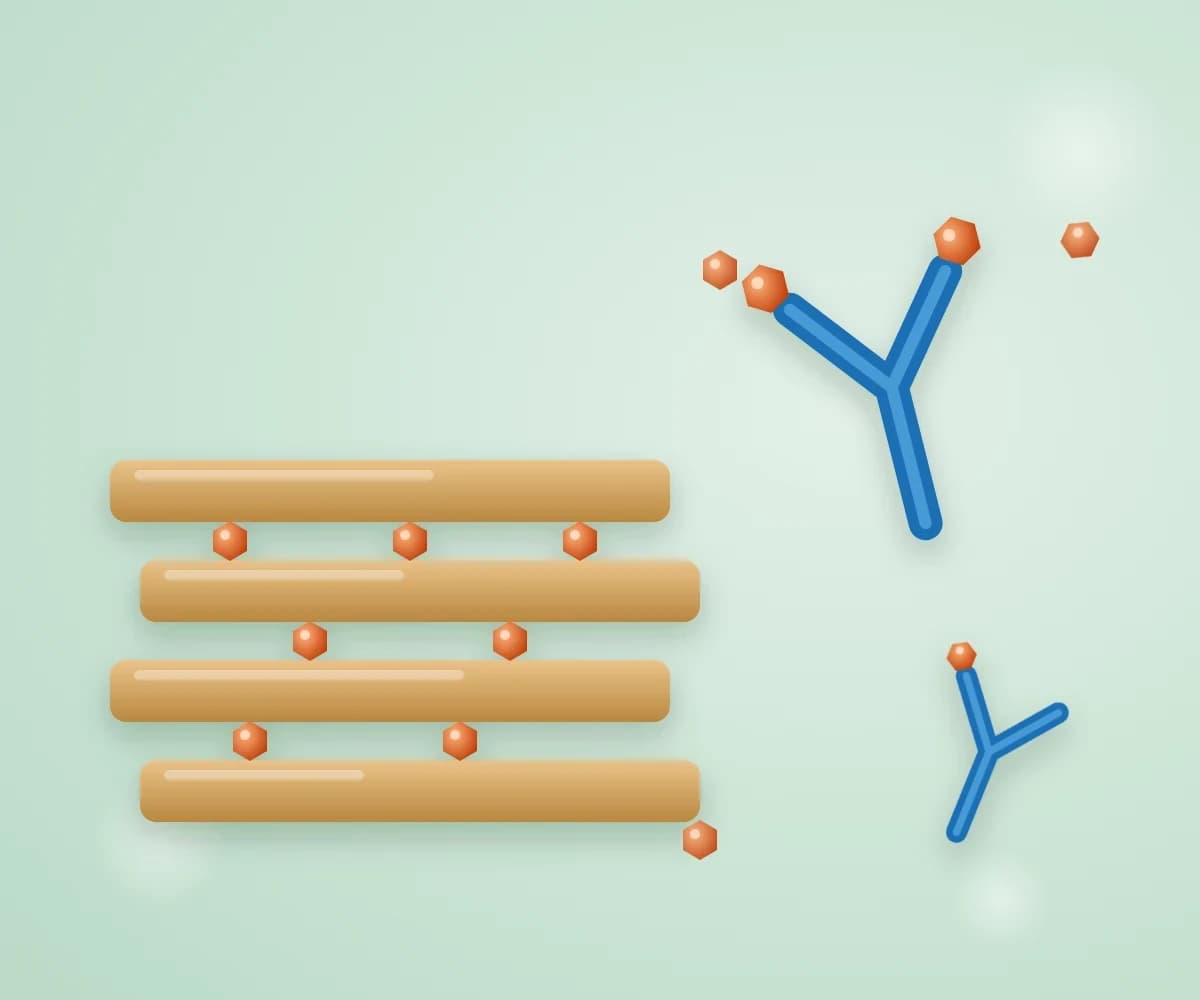
Binding and neutralising the Vibrio toxins behind EMS and TPD: clay, antibodies in feed and anti-virulence compounds — how strong is the evidence?
Technical article•Shrimp•October 29, 2026

Binding and neutralising the Vibrio toxins behind EMS and TPD: clay, antibodies in feed and anti-virulence compounds — how strong is the evidence?

A review of 2019–2026 research: montmorillonite clay at 2.5–5 g/kg feed raised whiteleg shrimp survival to 83–94% versus 40% after a[...]

Ask Than Vuong

Aquaculture technical assistant

Hello there 👋

Describe your pond issue or pick a question below.