Working hours: Mon - Fri | 08:00 - 17:00HOTLINE: 0867 95 7568
Technical Article

USING MOLD INHIBITORS IN AQUATIC FEED

- It is a substance that prevents the growth of various molds capable of causing harm to aquatic animals. - Molds that develop and cause toxicity in feed are often *Aspergillus flacus*, producing aflatoxin toxins that are harmful to farmed animals. - Aflatoxin develops extensively on peanut oil cake, corn, and cassava.

ProtocolShrimpJuly 27, 2022👁 248 views
Click to listen to an AI-narrated summary
Full Article
USING MOLD INHIBITORS IN AQUATIC FEED

1. Definition of mold inhibitor:

- A substance that prevents the growth of mold species capable of causing harm to aquatic animals.

2. Origin of mold:

- Molds that develop and cause toxicity in feed are often *Aspergillus flavus*, producing aflatoxin, which is harmful to aquatic animals.

- Aflatoxin commonly develops on peanut meal, corn, and cassava.
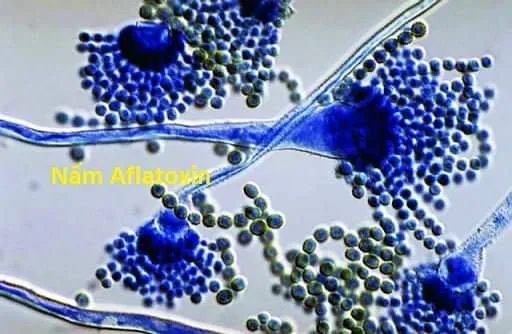
3. Causes and the necessity of using mold inhibitors in aquaculture feed:

- Due to the scarcity of animal protein sources, there is a trend towards using more plant-based protein sources, leading to a higher risk of mycotoxin contamination because plants contain high oil content, making them very susceptible to mold growth.

- Additionally, adverse hot and humid weather conditions can cause spoilage, and molds can easily grow on feed.

=> Therefore, if not treated, feed quality will decrease, causing toxicity when fed to fish. To prevent this, mold inhibitors are added to feed as an essential additive.

- Common antifungal agents used include:

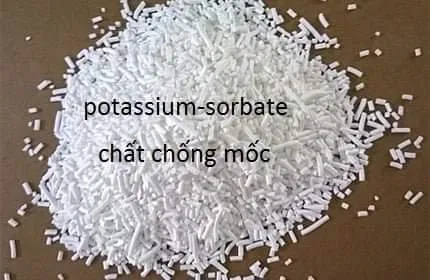
+ Potassium sorbate (2,000ppm) inhibits mold growth (does not kill mold).

+ Polypropylene glycol (1,2 – propanediol: 10,000ppm) inhibits and kills mold in feed. However, it does not completely eliminate aflatoxin.

+ Propionic acid, benzoic, and acetic acids inhibit the growth of other mold species.
4. Effects of mold on aquatic animals:

- When fish are infected with mycotoxins from Aflatoxin, it will affect liver function, causing liver swelling and the formation of tumors in the liver and kidneys.

- Slow growth, suppressed immune response.

- Reduced feed quality.
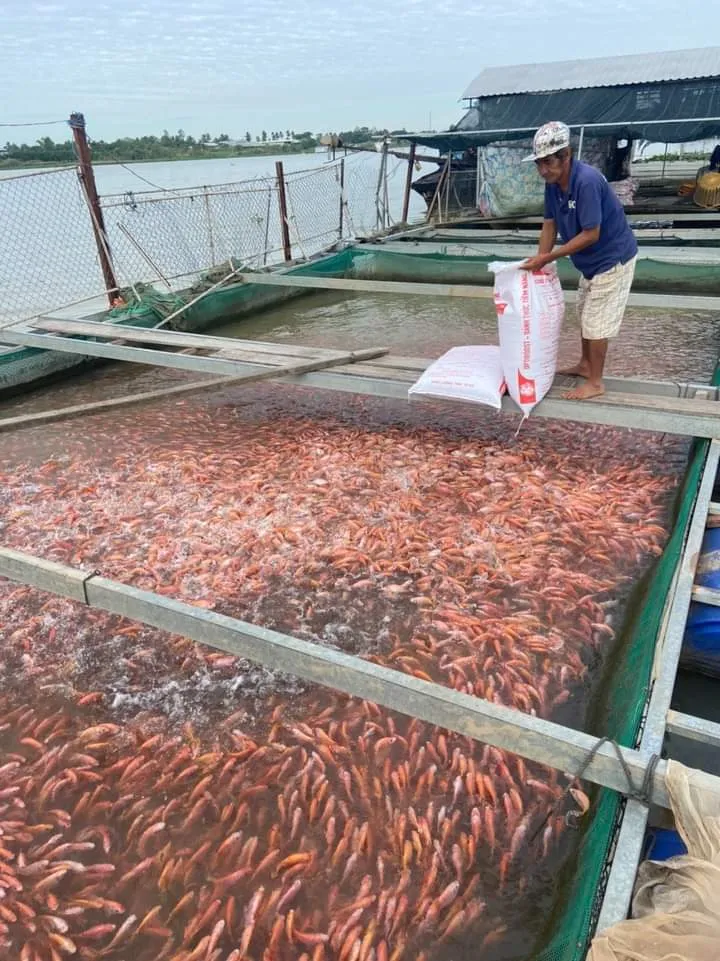
5. Solutions for mold control in feed:

- Add mold inhibitors during feed production to adsorb toxins and prevent mold growth.

- Choose reliable and reputable feed suppliers.

- Store feed in a cool, dry place to avoid humidity.

- Ensure raw materials are dried and free from insects and pests.


TECHNICAL DEPARTMENT - MINH DUC
Quick Q&A

Frequently asked questions on this topic

What does "USING MOLD INHIBITORS IN AQUATIC FEED" cover?

- It is a substance that prevents the growth of various molds capable of causing harm to aquatic animals. - Molds that develop and cause toxicity in feed are often *Aspergillus flacus*, producing aflatoxin toxins that are harmful to farmed animals. - Aflatoxin develops extensively on peanut oil cake, corn, and cassava.

Which species does this article apply to?

Shrimp

Related Products

Products linked to this topic

PRO GUT
ShrimpThan Vuong Blue

PRO GUT

Premium digestive probiotics specifically for shrimp farming in lined ponds

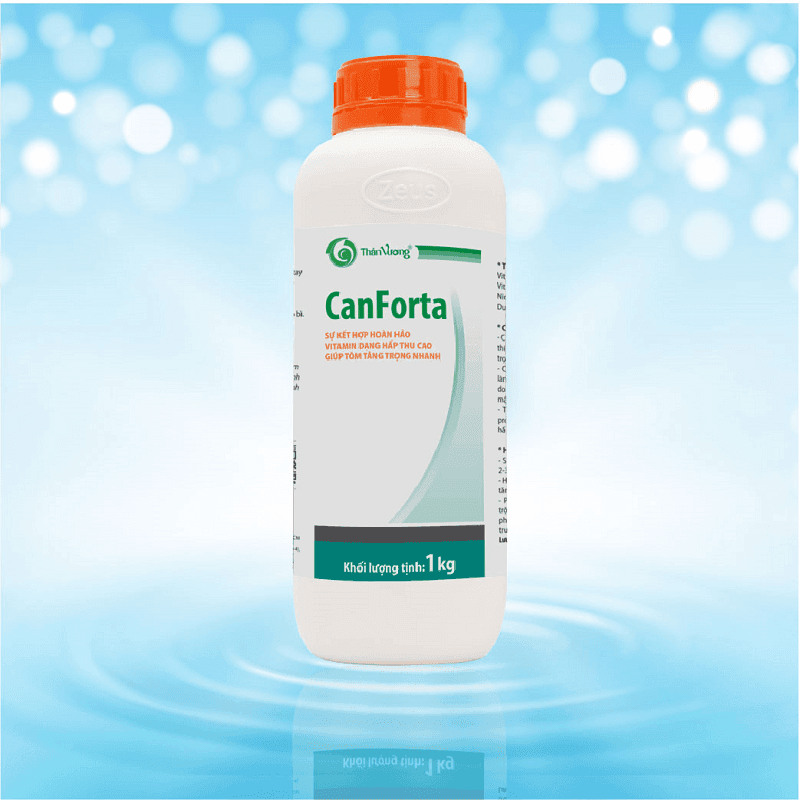
CANFORTA
ShrimpThan Vuong Blue

CANFORTA

High-absorption vitamin form helps shrimp gain weight quickly

More Reading

Related technical articles

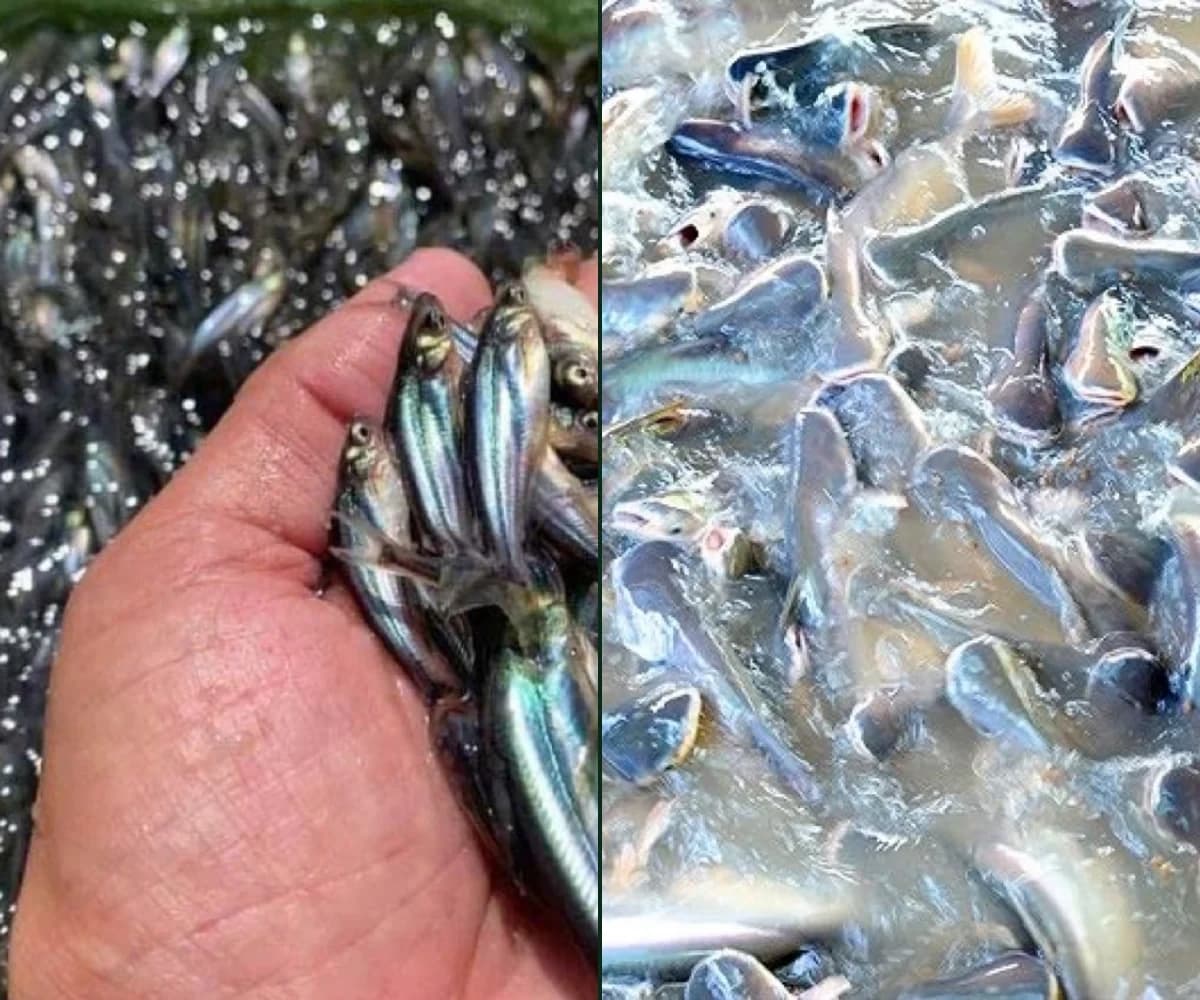
Striped catfish from nursery to grow-out: probiotics, digestive enzymes and feed protein and fat in new research
Technical article•Shrimp•November 1, 2026

Striped catfish from nursery to grow-out: probiotics, digestive enzymes and feed protein and fat in new research

A trial published on 30 October 2026: adding 2 g/kg probiotic to feed containing a digestive enzyme cut FCR in 10 g catfish fingerli[...]

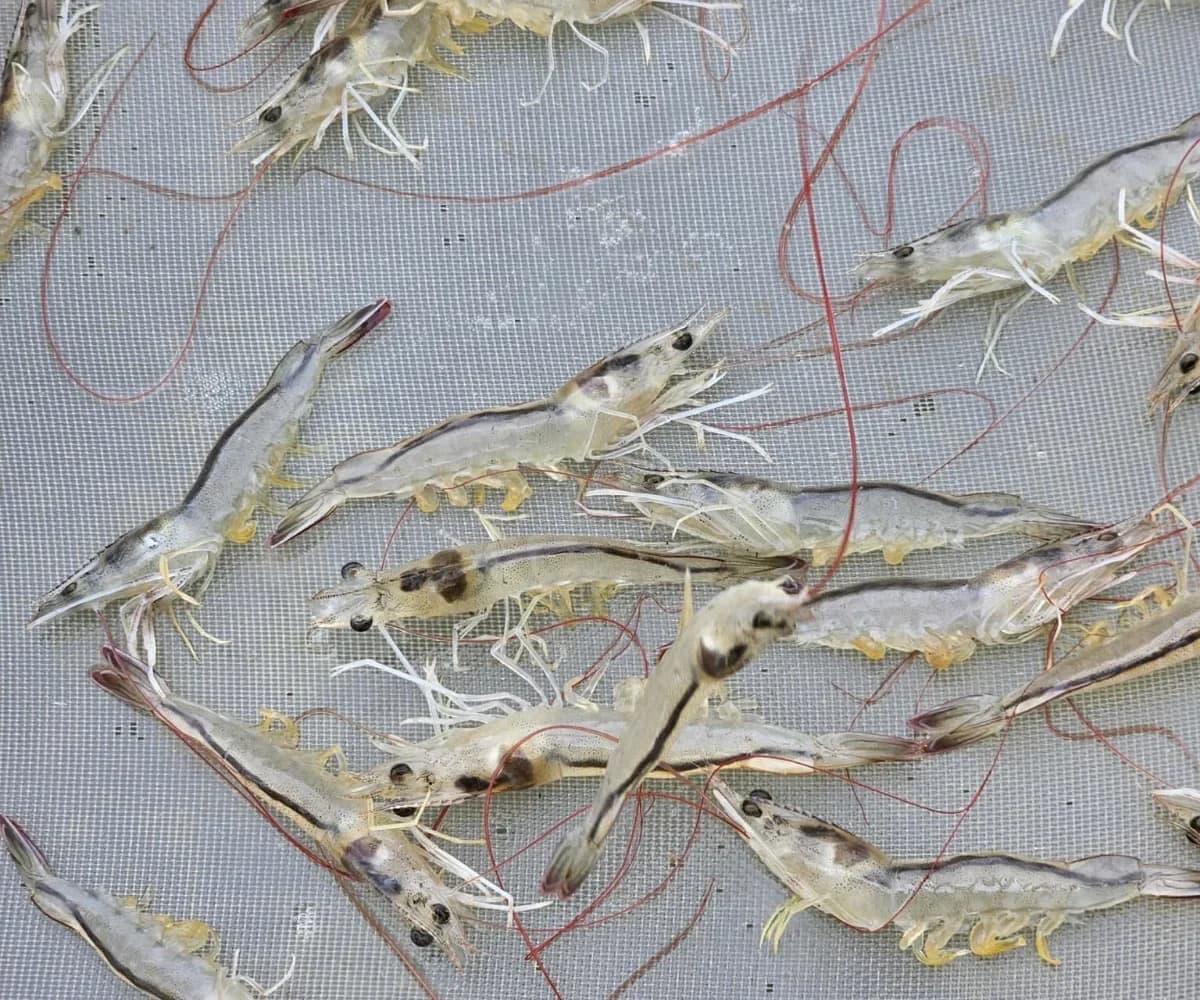
Preventing white feces from the gut: two new trials feeding beneficial bacteria and metabolites taken from healthy shrimp
Technical article•Shrimp•November 1, 2026

Preventing white feces from the gut: two new trials feeding beneficial bacteria and metabolites taken from healthy shrimp

A Ningbo University (China) team looked for what healthy shrimp guts have and white-feces guts lack, then fed it back for 14 days be[...]

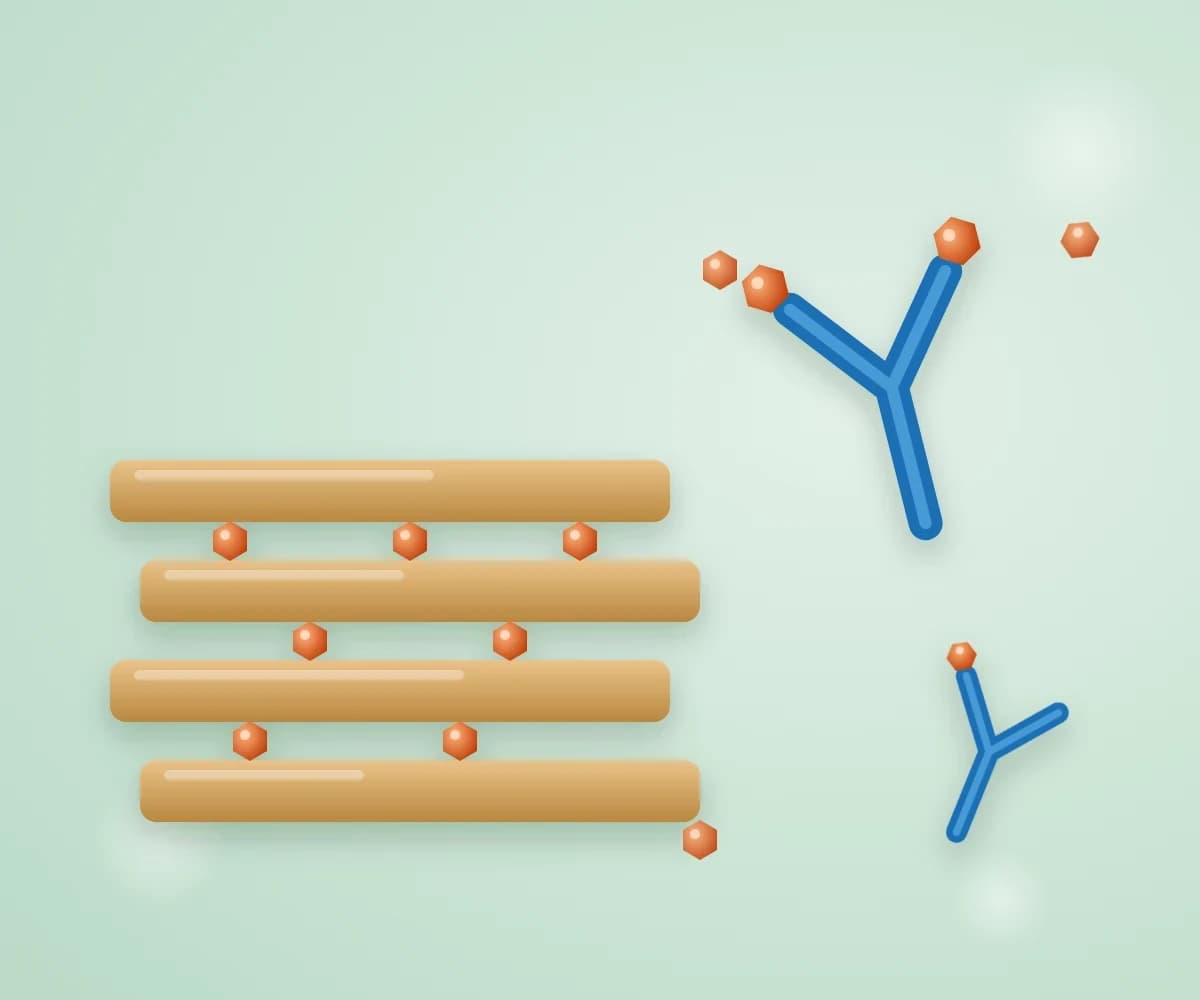
Binding and neutralising the Vibrio toxins behind EMS and TPD: clay, antibodies in feed and anti-virulence compounds — how strong is the evidence?
Technical article•Shrimp•October 29, 2026

Binding and neutralising the Vibrio toxins behind EMS and TPD: clay, antibodies in feed and anti-virulence compounds — how strong is the evidence?

A review of 2019–2026 research: montmorillonite clay at 2.5–5 g/kg feed raised whiteleg shrimp survival to 83–94% versus 40% after a[...]

Ask Than Vuong

Aquaculture technical assistant

Hello there 👋

Describe your pond issue or pick a question below.