Working hours: Mon - Fri | 08:00 - 17:00HOTLINE: 0867 95 7568
Technical Article

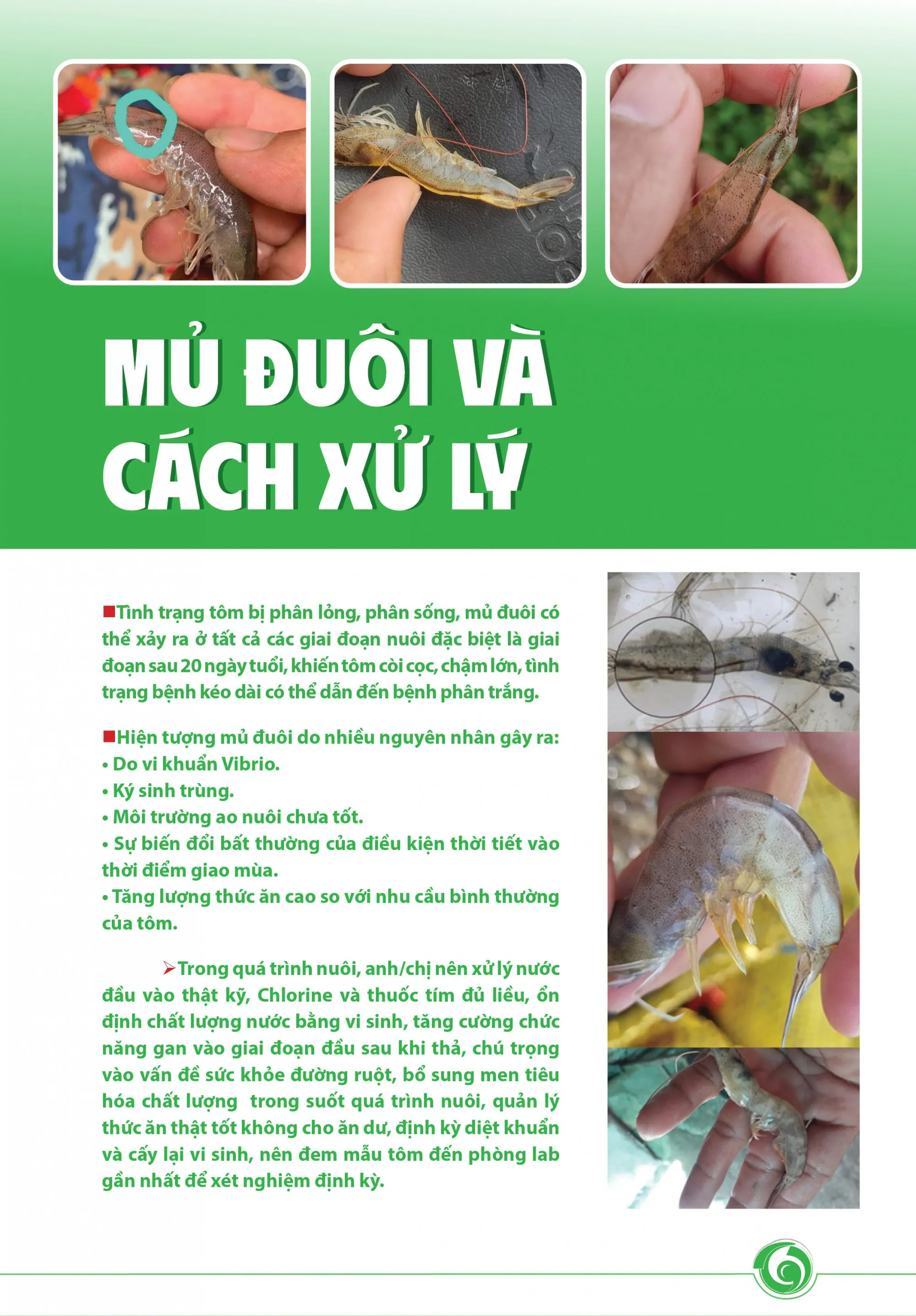
Tail Rot (Tail Pus) in Shrimp and How to Handle It

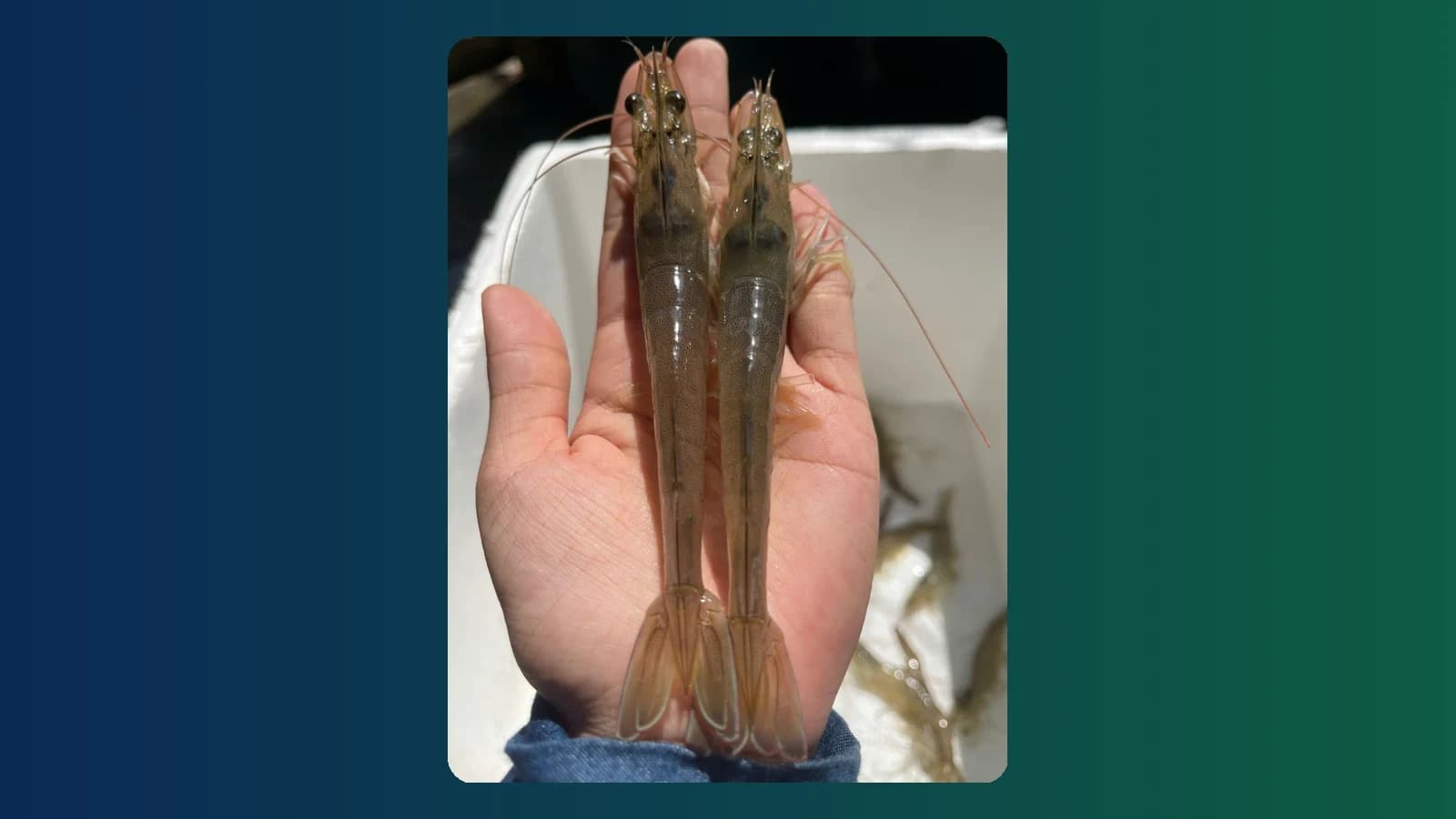
The condition of shrimp suffering from loose feces, undigested feces, and tail rot can occur at all farming stages, especially after 20 days of age, leading to stunted growth and slow development. Prolonged illness can result in white feces disease.

Solution TrackShrimpJune 13, 2024👁 276 views
Click to listen to an AI-narrated summary
Full Article
Tail Rot (Tail Pus) in Shrimp and How to Handle It

Loose feces, undigested feces and tail pus (tail rot) can occur at every stage of the crop, especially after 20 days of age. They leave shrimp stunted and slow-growing, and if the problem drags on it can lead to white feces disease.

What causes tail pus

Tail pus has many causes:

  • Vibrio bacteria.
  • Parasites.
  • A poor pond environment.
  • Unusual weather changes at the turn of the season.
  • Feeding much more than the shrimp normally need.

Prevention during the crop

During the crop, farmers should prepare incoming water thoroughly, with chlorine and potassium permanganate at the full dose; stabilise water quality with probiotics; support liver (hepatopancreas) function in the early period after stocking; pay close attention to gut health and add quality digestive probiotics throughout the crop; manage feed well and avoid overfeeding; disinfect periodically and then re-apply probiotics; and take shrimp samples to the nearest lab for regular testing.

When shrimp have tail pus

If shrimp have tail pus, reduce the feed and carry out the following steps:

  1. First 2 feedings: mix AQUA PRAZI into the feed.
  2. 3rd feeding: mix in BIOMAX + HERB GUARD.
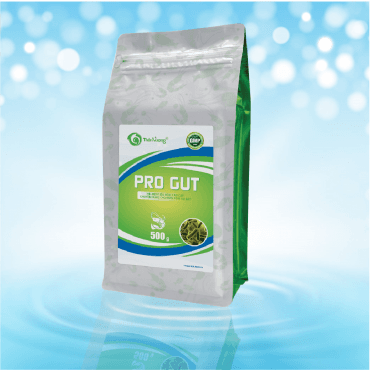
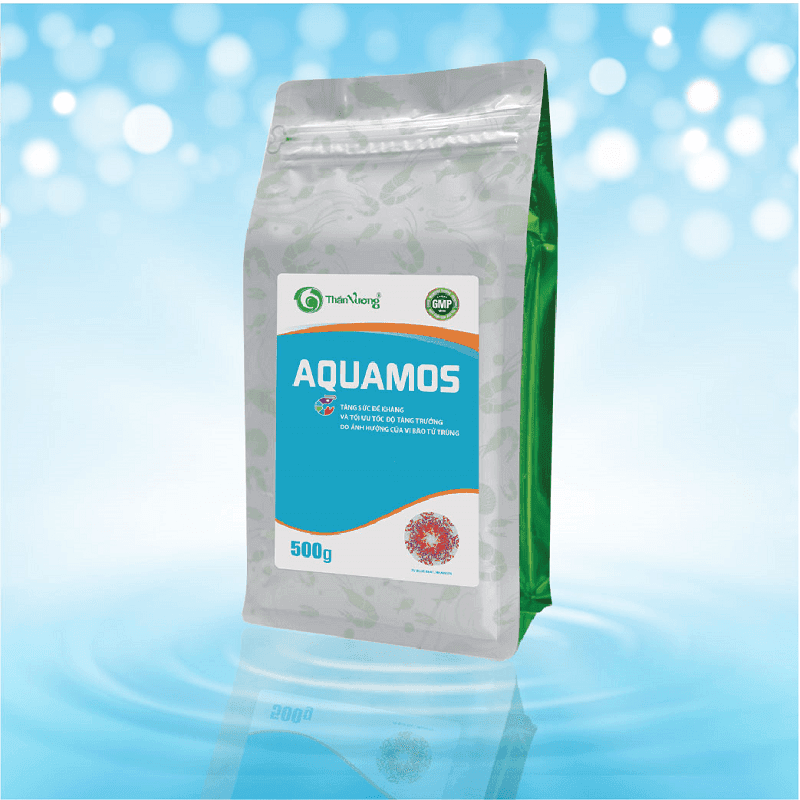
  3. 4th feeding: mix in PRO GUT + AQUAMOS.
  4. Then, in the evening (for shrimp at the 40-day stage), disinfect the water with VIBRIO CLEAR (1–1.5 kg/1,000 m3) or POWER GLUTA (1 litre/2,000 m3).
  5. The next day: re-apply probiotics with SOILMAX to restore the beneficial microbes in the pond. At the same time, give digestive probiotics at a high dose to help restore gut health, and check the feeding trays often to monitor shrimp health.
  6. Every day: keep 1 morning feeding with PRO SUR at 3 g/kg feed.

Tail pus is currently hard to clear up completely; it can only be eased. Farmers should therefore repeat this protocol after 1 week.

English text adapted from Than Vuong's original Vietnamese infographic.
Quick Q&A

Frequently asked questions on this topic

What does "Tail Rot (Tail Pus) in Shrimp and How to Handle It" cover?

The condition of shrimp suffering from loose feces, undigested feces, and tail rot can occur at all farming stages, especially after 20 days of age, leading to stunted growth and slow development. Prolonged illness can result in white feces disease.

Which species does this article apply to?

Shrimp — White feces

Related Products

Products linked to this topic

FLASH
ShrimpThan Vuong Blue

FLASH

Supports gut and hepatopancreas health — shrimp recover quickly, lower risk of white […]

PRO GUT
ShrimpThan Vuong Blue

PRO GUT

Premium digestive probiotics specifically for shrimp farming in lined ponds

AQUAMOS
ShrimpThan Vuong Blue

AQUAMOS

Enhance resistance and optimize growth rate

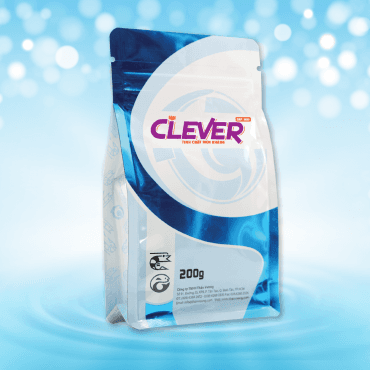
CLEVER
ShrimpThan Vuong Blue

CLEVER

Yeast-extract protein concentrate that supports shrimp gut microbiota balance and gu […]

More Reading

Related technical articles

CHANGES IN GUT MICROBIOTA DUE TO GLOBAL WARMING. REGULATING HOST HEALTH AND DISEASE STATUS IN POIKILOTHERMIC ANIMALS
Research Insight•Shrimp•February 28, 2026

CHANGES IN GUT MICROBIOTA DUE TO GLOBAL WARMING. REGULATING HOST HEALTH AND DISEASE STATUS IN POIKILOTHERMIC ANIMALS

Global warming alters the gut microbiota of Pacific whiteleg shrimp by restructuring enterotypes, increasing the risk of diseases su[...]

HEPATOPANCREAS PROTECTION – THE KEY TO IMPROVING SUCCESS RATES IN SHRIMP FARMING
Solution Track•Shrimp•January 6, 2026

HEPATOPANCREAS PROTECTION – THE KEY TO IMPROVING SUCCESS RATES IN SHRIMP FARMING

The hepatopancreas is the most important and multi-functional organ in shrimp, performing roles such as: digestion – nutrient absorp[...]

HIGHLY VIRULENT VIBRIO ANTAGONISTIC PROBIOTIC
Technical Note•Shrimp•November 26, 2025

HIGHLY VIRULENT VIBRIO ANTAGONISTIC PROBIOTIC

Max 4000 New has significantly demonstrated the ability to inhibit Vibrio TPD (Vibrio parahaemolyticus, a pathogenic strain causing[...]

Ask Than Vuong

Aquaculture technical assistant

Hello there 👋

Describe your pond issue or pick a question below.