Microbes used in aquaculture have been applied for a very long time. The role of microbes in water quality treatment and improving animal gut health cannot be denied. Microbes themselves are constantly evolving, continuously changing to adapt to their living environment.
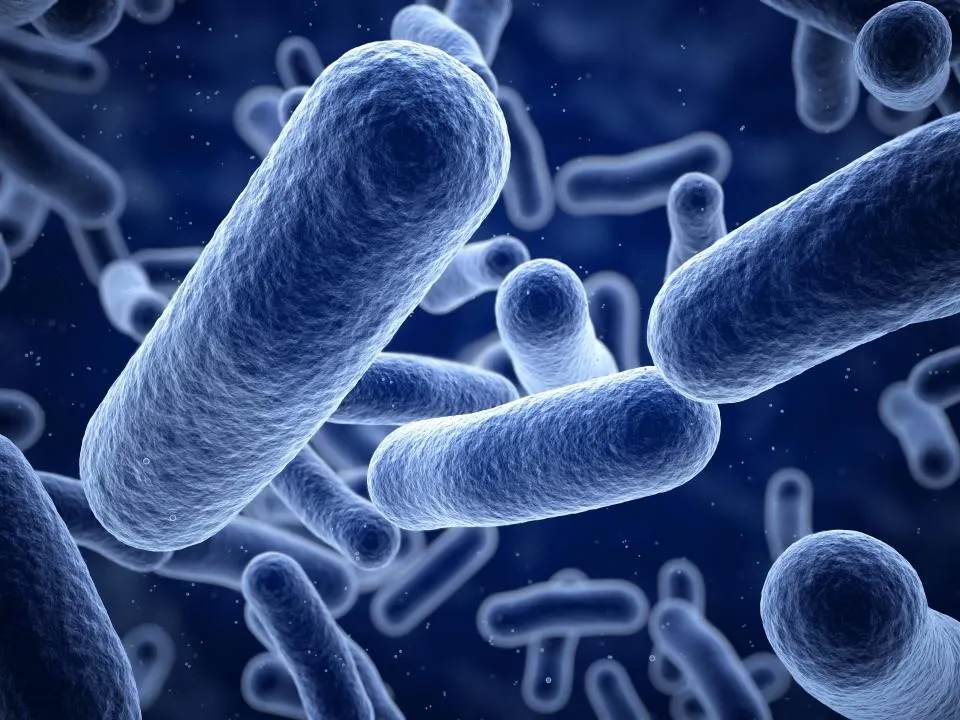
Based on several articles by experts and practical experience, we offer the following observations on microbes.
- The beneficial microbial species we have isolated represent only a very small fraction of the unknown microbial community. The pond environment is a highly complex microbial diversity, subject to various influences from the living environment and input factors. Many scientists believe that supplementing beneficial microorganisms into ponds provides a short-term change (thus requiring periodic supplementation based on the culture stage, stocking density, and actual environment).
- Adding beneficial microbes to ponds is always encouraged, but experts advise caution regarding the origin of microbes, as high biomass propagation can lead to many risks due to contamination by undesirable bacteria. In other words, they can exchange genetic material and sometimes create risks that outweigh the benefits the microbes themselves provide. What are our thoughts on this viewpoint? I believe it is detached from reality. Why? Farmers' farming experience is constantly improving; they have sufficient judgment to evaluate the results of their microbial fermentation and application based on practical use. This highlights that the current reality cannot wait for machine testing, as most of us do not have the means to perform it.
- Nutrients for microbial activity include protein, fat, and carbohydrates present in the added nutrition and metabolites during the culture process. And naturally, competition for nutrients and substrates (protein, fat, carbohydrates, trace minerals) will be the operating mechanism for most beneficial microbes. They will continue to produce enzymes and bacteriocins for water treatment and antibacterial action.
- Is a good microbial product necessarily one with a high cell count? There is no scientific basis for this. Microbes need nutrients to grow, but when their nutrient source is depleted or no longer suitable, they will die or switch to spore form. Temperature and salinity are two factors affecting microbes as well as other competing strains. Nutrients generated from metabolic processes in the water will limit the overall growth of microorganisms.
- When microorganisms secrete enzymes, they require many macro and micronutrients, and when these factors become limited, enzyme production is almost inactive (microbial inertness, inefficient activity).
- Therefore, we need to note that supplementing large quantities or multiple species of microbes has no biological treatment significance if microbial nutrition is not guaranteed. Determining the optimal quantity of microbes to add and the nutrition required for their effective activity will be a very challenging issue.
- Microbes are often produced in spore form, so they require time to proliferate, and each species will have different proliferation and germination times, leading to a tendency for earlier proliferating species to dominate. At this point, it is highly likely that they will compete for nutrients, even among beneficial microbial species.
- Storing microbes under various standard conditions affects microbial density. This is even more true for microbial groups that do not exist in spore form, as they are more difficult to preserve. Therefore, proper microbial storage and the rational blending of different microbial strains are necessary to ensure consistent microbial quality.
- Products containing microbes have a significant impact on animal health, disease resistance, and resilience. Is this term perhaps being overused, implying that microbes are used for everything, whether for treatment or gut health? We should know that most commercial microbes only perform treatment and biodegradation outside the animal's body and living environment. Colonization and adhesion to the intestinal wall are uncertain, which is why very few products can truly achieve this effectively.
- Adding multiple microbial species is not necessarily better, as they might produce the same type of enzyme, just at different levels. Therefore, the crucial issue is the selection and synergy among them to achieve high practical effectiveness.