By Emeritus Professor Simon J Davies, Harper Adams University and John Hardy, UrticaPlus, UK
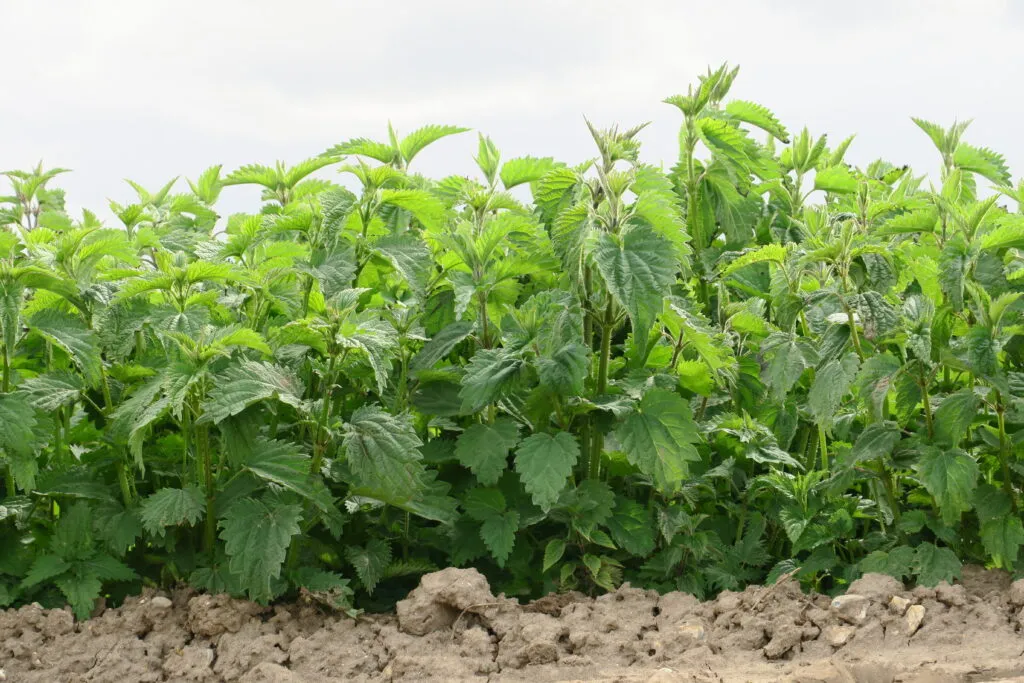
We have discussed many products in International Aquafeed magazine produced by companies globally with biological and functional properties as feed additives and supplements. Their value as immunomodulators and anti-inflammatory agents for animals such as poultry, pigs, and even pets in feed products is undeniable. These natural ingredients have been widely used in fish and shrimp feed with great success, revolutionizing the aquaculture industry with their ability to improve health and provide protection against disease and stress. One of the most interesting terrestrial plant species to develop is the stinging nettle, Urtica dioica. The stinging nettle belongs to the Urticaceae family, originating from Europe, North Africa, and the Americas. It is a perennial herbaceous plant with soft green leaves with serrated edges and covered in trichomes (stinging hairs).
Properties of Stinging Nettle
Stinging nettle has received significant attention for human health protection as a medicine and is increasingly popular in animal feed applications. It is recommended for use in fish and other aquaculture species due to the properties that will be focused on in this article.
Urtica plants possess unique characteristics regarding their comprehensive nutritional profile with a range of nutrients from macro to micronutrients (Bhusal et al., 2022; Devkota et al., 2022). Numerous publications have addressed its chemical composition and articles in the field of food science. A comprehensive review by Jan et al. (2016) described stinging nettle as a reservoir of key nutritional and biological components with excellent functional properties. Bioactive compounds include phenolic compounds such as p-hydroxybenzoic acid, gentisic acid, quinic acid, rutin, and quercetin. It is also a rich source of aldehydes, alkenes, amines, amides, and various halogenated and aromatic organic compounds.
Oxidative stress is a consequence of metabolic processes leading to oxidative events in animal tissues during both normal life and pathological states. The antioxidant capacity of stinging nettle has been noted for its ability to mitigate free radicals. Its ability to scavenge hydrogen peroxide and reduce superoxide anion has been evaluated using in vitro and in vivo models with confirmed positive results. This is due to a combination of mechanisms, including prominent levels of ascorbic acid (Vitamin C) and other factors such as flavonoids.
Stinging nettle also possesses strong antimicrobial activity due to its characteristic phenolic groups. Phenolic compounds in aqueous extracts exhibit significant antibacterial activity against specific Gram-positive bacteria and some yeast species. It has been shown to be effective against Streptococcus pneumoniae, Staphylococcus aureus, and various Enterobacter strains. This is relevant to many other pathogens found in fish and shrimp. Alcoholic extracts of U. dioica have antifungal activity against various fungal strains found in animal systems. Extracts from nettle leaves or roots have a regulatory and inhibitory effect on hyperplastic levels in tissues, which could be of interest in fish farming, especially to prevent the spread of pathogens in the industry.
Role in Animal Nutrition
As with humans, numerous studies have investigated the potential of stinging nettle and its products in animal feed, particularly focusing on species such as pigs and poultry for inclusion in commercial diets. Studies have provided excellent evidence of health improvements with a focus on enhancing nutritional status, metabolic processes, and immune responses. For example, nettle provides nutrients and bioactive components, stimulates growth and feed utilization, regulates metabolic processes, and supports the immune system in broiler chickens (Milosevic et al., 2021).
Research on Fish and Potential in Aquaculture
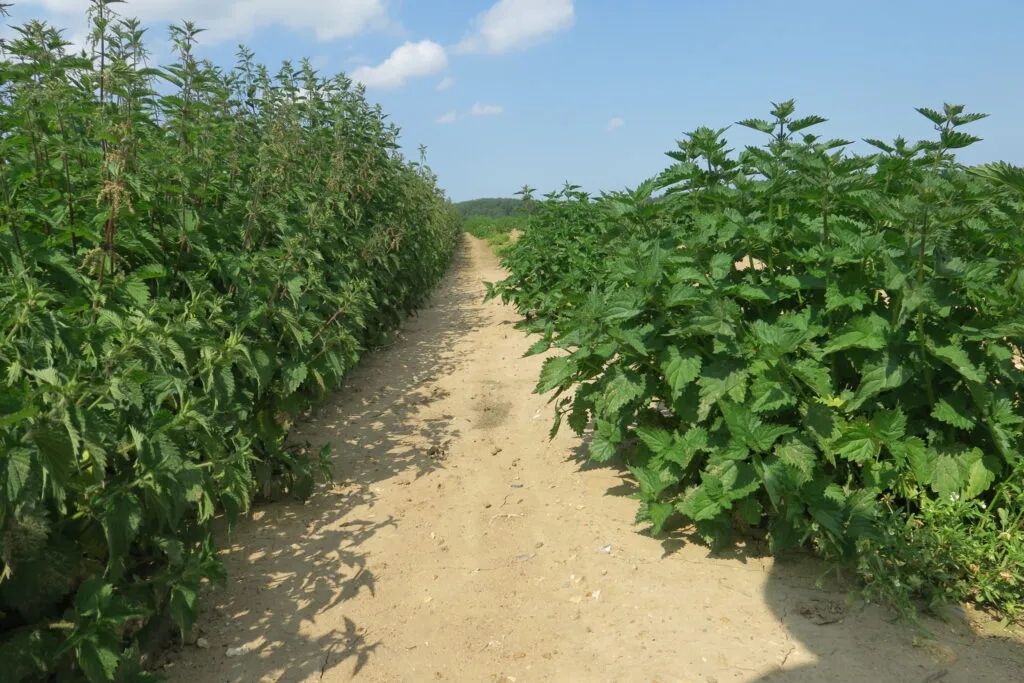
In aquaculture, the use of stinging nettle appears very promising from several studies to date. Indeed, De Vico et al. (2018) stated that “nettle is an overlooked plant with emerging growth-promoting and immunostimulatory potential for farmed fish”. These authors provided compelling evidence for the use of nettle in commercial fish diets as a bioactive and functional ingredient. The scientific literature has primarily evaluated nettle meal in diets from the perspective of a feed additive. In this study, Awad and Austin (2010) evaluated Urtica dioica as a feed additive to prevent Aeromonas hydrophilia infection in rainbow trout, Oncorhynchus mykiss. After 14 days of pathogen challenge, they observed higher survival rates with nettle supplementation in the diet. Additionally, there was an increase in serum bactericidal activity and respiratory burst reactions related to innate immune mechanisms (respiratory burst activity of leukocytes, neutrophils, monocytes, and macrophages) as combined immune strategies during pathogen elimination. Stinging nettle also resulted in higher hematocrit values and red and white blood cell counts compared to the control trout group without nettle.
Effects on the Immune System
Most studies on fish have focused on the impact of nettle on the immune status of fish. A comprehensive review on the use of nettle additives to stimulate growth and enhance immunity in fish was presented by Zare et al. (2023). Saeidi Asl (2017) reported that Urtica can be very effective for rainbow trout (Oncorhynchus mykiss). An experiment supplementing nettle in the diet of rainbow trout to examine growth performance, skin mucus, immune response, and disease resistance was conducted after two months of experimental feeding. At a three percent supplementation level, improvements in weight gain, specific growth rate, and better feed conversion ratio were observed compared to other groups.
Improved Liver Function with Nettle in the Diet
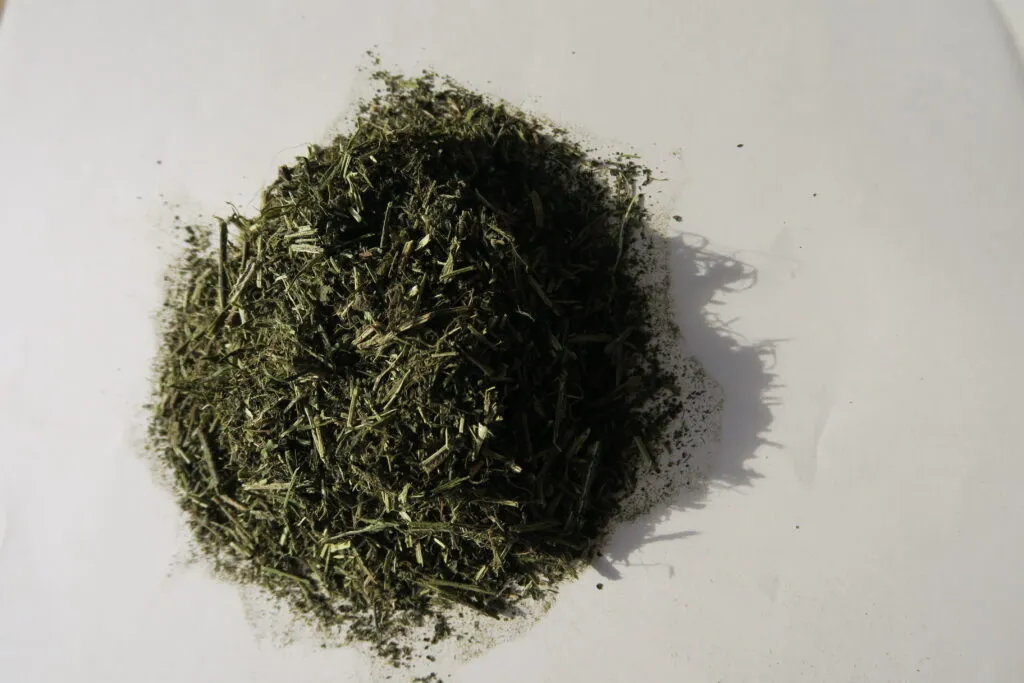
Other studies on fish have focused on regulatory effects to provide more detailed evidence of nettle's impact as a functional feed additive. Generally, nettle is reported to have positive effects on various indicators related to blood biochemical markers, liver enzymes, antioxidant status, and immune system components.
Applications for Atlantic Salmon
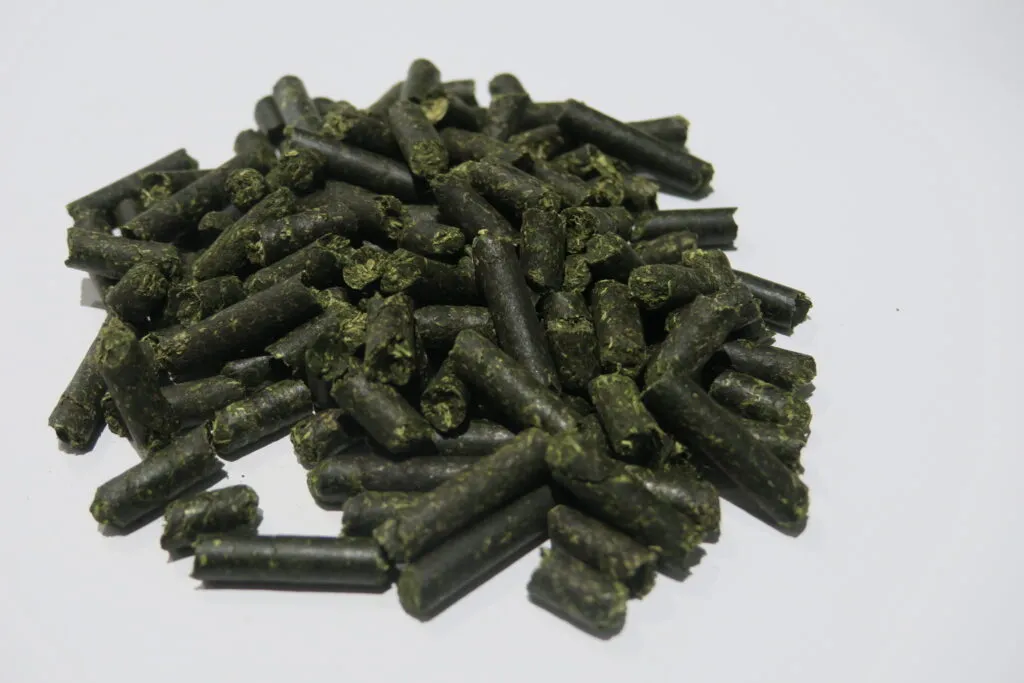
In a recent investigation, Martin and Hardy (2023) were the first to pioneer research into the potential of Urtica in experimental diets for Atlantic salmon (Salmo salar). This trial examined the performance of salmon fed diets supplemented with nettle from a stable, high-quality source (Urtica+plus®).
Conclusion
In summary, the stinging nettle Urtica dioica has been shown to possess numerous functional properties after being evaluated through rigorous research trials across various animal species and is gaining increasing interest in the field of aquaculture.
PKT THAN VUONG CO.