Concept of stress
Stress is a state of homeostatic imbalance in the body, an abnormal physiological state caused by the impact of adverse external or internal environmental factors. These factors are called stressors. When external conditions change, and a stressor is present, if the body cannot maintain homeostasis, the animal will enter a state of stress and must undergo a stress process to adapt to the new external environment. This is just one perspective, as the precise definition of stress still eludes scientists, despite many years of research on the subject.
However, not all types of stressors are harmful. In practical production, humans have utilized and exploited stress factors to stimulate livestock growth, good development, increased and earlier reproduction, and improved productivity and product quality. Examples include supplementing with tonics, mineral premixes, amino acids, using appropriate color schemes and light intensity, and increasing lighting duration to accelerate breeding and increase ovulation rates. Today, in industrial animal husbandry, these beneficial stress factors are widely applied to enhance productivity, livestock quality, and disease prevention.
Causes of stress
Changing weather, prolonged sunshine, or many days of rain.
Overly high stocking density, pond location in a noisy area.
Improper transportation of fingerlings to the pond and stocking, high transport density, lack of oxygen during stocking causing fish shock.
Sudden feed changes or a large number of natural predators such as herons, night herons, cormorants, wild ducks, etc., congregating in the pond.
Overdosing antibiotics and chemicals affects the water environment, causing pollution, leading to oxygen depletion, and increasing water quality parameters such as pH, NH3, NO2 beyond permissible limits. This leads to bacterial agents attacking and making fish susceptible to disease.
Poor water quality or due to some electrical stunning devices near the fish pond.
Sudden changes in water environment such as temperature, pH...
Signs of fish stress
Fish not eating or eating less than usual.
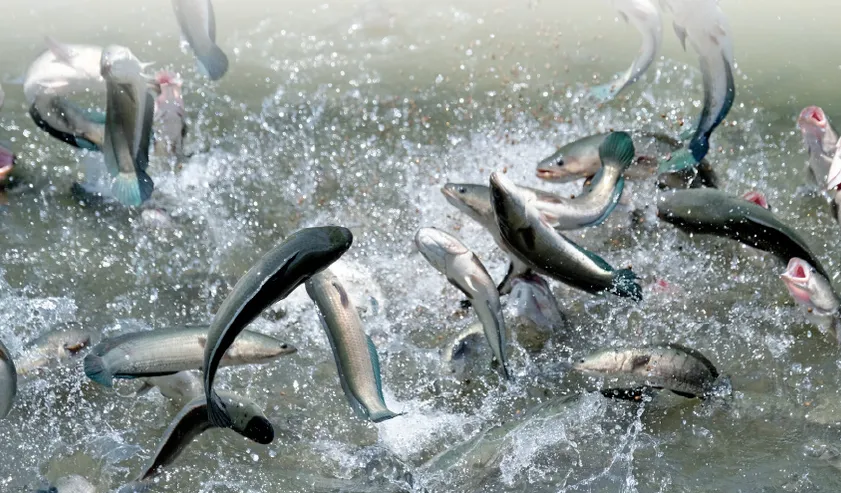
Fish swimming sluggishly or motionless on the water surface.
Fish are susceptible to disease, continuous outbreaks, and exhibit erratic swimming along the edges.
Metabolic disorders leading to mineral loss and reduced nutrient absorption.
Stunted, slow-growing fish, reducing yield at harvest.
Abnormal body color of fish, turning black or dark.
Preventing fish stress
Proactively implementing disease prevention measures using biosecurity farming methods from the outset is the fundamental solution and provides the best effectiveness for aquaculture. Properly manage broodstock, feed, water sources, and monitor the health of farmed fish. Measures include:
- Select disease-free, quarantined fingerlings.
- Strictly follow technical procedures in fish farming.
- Limit adverse environmental impacts on farmed fish health, such as changes in physical and chemical water parameters, and the increase of pathogens in the pond. Prevent disease risks from unreliable seed sources, substandard water quality, and the entry of external pathogens due to inadequate pond and farm hygiene...
- Strictly apply solutions for managing drug and chemical use: Use only when absolutely necessary, do not overuse. Use only approved drugs and chemicals. Store drugs and chemicals properly. Carefully record all information related to drug and chemical use.
- Observe fish activity in the pond, sensory signs such as gut content, and other external signs, ...
Remedial measures
a. Environment:
Upon detecting signs of fish stress, immediately change the pond water or allow water to flow in and out to create circulation and oxygenate the fish.
Additionally, use probiotics (NIAZYME) and minerals (CALPHOS GRO) for the pond to help stabilize the environment.
b. Nutrition
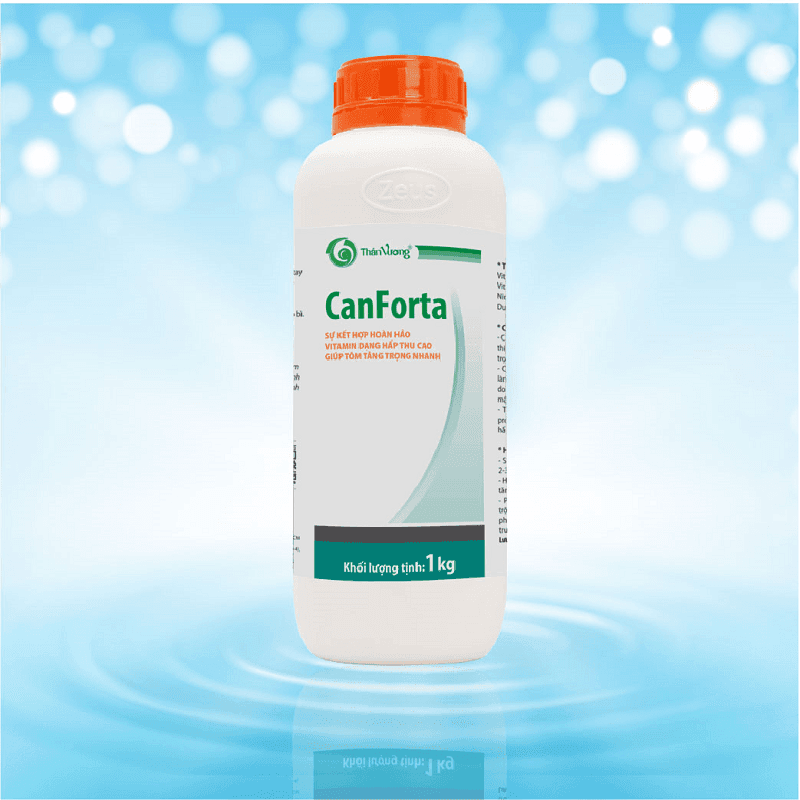
When the weather changes suddenly, it is necessary to supplement with vitamins (CANFORTA), minerals (CALPHOS GRO), and digestive enzymes (BIOZYME) to help fish increase resistance and reduce feed intake.
Use pond-applied vitamin C (VITAMIN C TẠT) to reduce fish stress and supplement feed with (GRO C30) to boost resistance.
c. Feeding
Feed fish according to their ration, at the correct rate to avoid excess feed. Monitor regularly to adjust fish feed intake.
d. Management and seed selection
When selecting seed, choose a quality supplier to limit pathogens in fish.
Transport fish to the pond within a short time, with a density not exceeding the boat's capacity. During transport, change water, siphon the boat's bottom halfway, and apply salt, yucca, vitamin C, etc., to prevent stress and mucus loss in fish.
Farm at a moderate stocking density.
Maintain a layer of grass about 10cm high around the pond bank to limit erosion of silt, alum, and organic matter into the pond during prolonged rain, which can stress fish.