Working hours: Mon - Fri | 08:00 - 17:00HOTLINE: 0867 95 7568
Technical Article

Strategy for EHP prevention through pond environment control

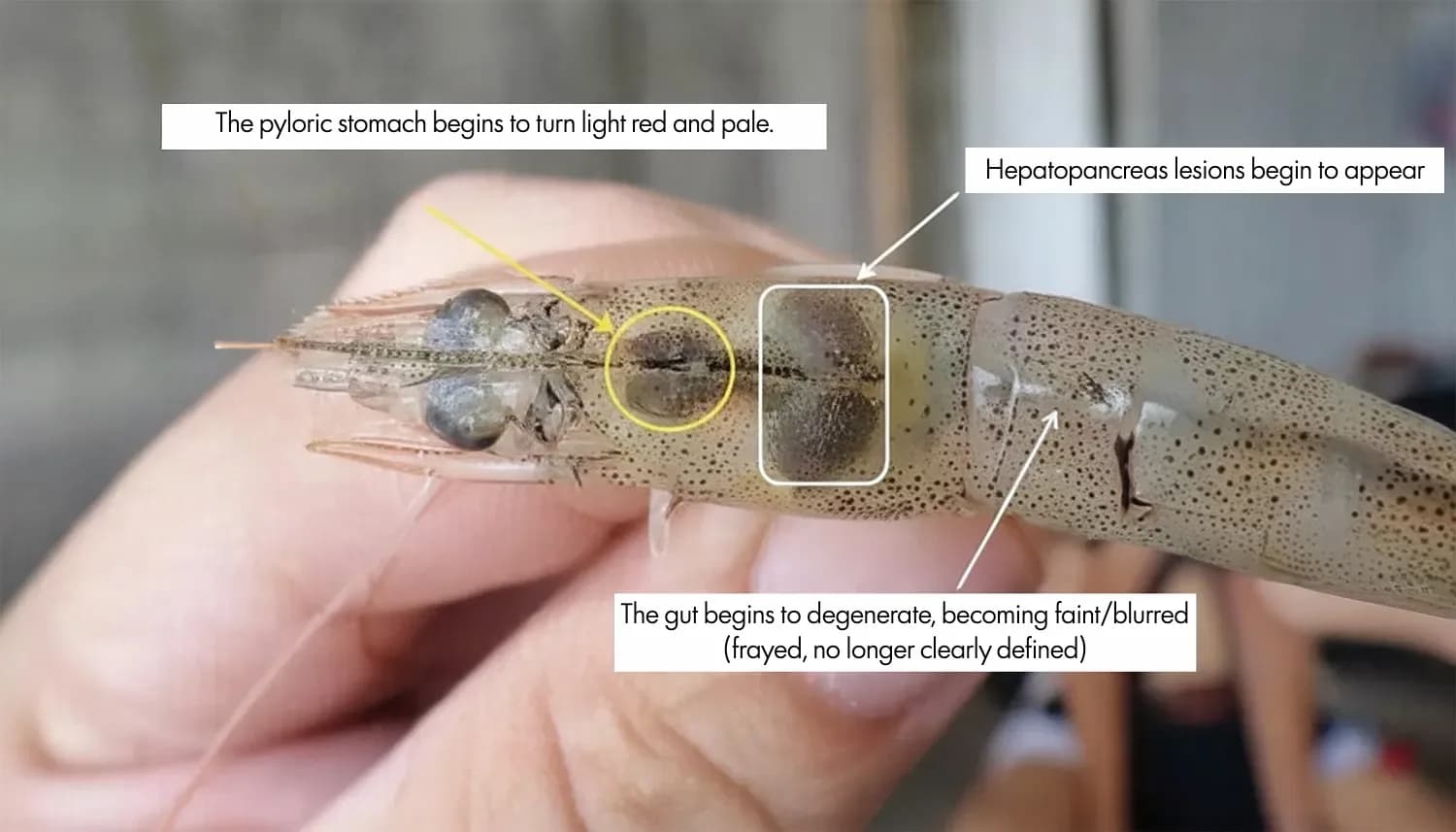
The prevalence of EHP (Enterocytozoon Hepatopenaei) infection in shrimp is on an increasing trend and has now become a pressing issue in the shrimp industry. This is a disease that does not cause mass mortality but has a significant economic impact. EHP causes damage to the shrimp's hepatopancreas, leading to high energy expenditure for stimulating the immune system to fight against EHP. On the other hand, because EHP parasitizes within the hepatopancreatic tubules, depleting the liver's energy reserves, shrimp are unable to absorb nutrients. This consequently affects growth rate, leading to stunted growth in shrimp.

ProtocolShrimpDecember 4, 2019👁 259 views
Click to listen to an AI-narrated summary
Source Status

English-facing summary is live

This page now prioritizes the standardized English summary, takeaways, related products, and article routing. Original Vietnamese source text stays in the local knowledge library for retrieval and internal technical review.

Full article-level translation is still being expanded across the legacy technical archive.
Quick Q&A

Frequently asked questions on this topic

What does "Strategy for EHP prevention through pond environment control" cover?

The prevalence of EHP (Enterocytozoon Hepatopenaei) infection in shrimp is on an increasing trend and has now become a pressing issue in the shrimp industry. This is a disease that does not cause mass mortality but has a significant economic impact. EHP causes damage to the shrimp's hepatopancreas, leading to high energy expenditure for stimulating the immune system to fight against EHP.

Which species does this article apply to?

Shrimp — Hepatopancreas, Immunity & microbiome, Water & environment

Related Products

Products linked to this topic

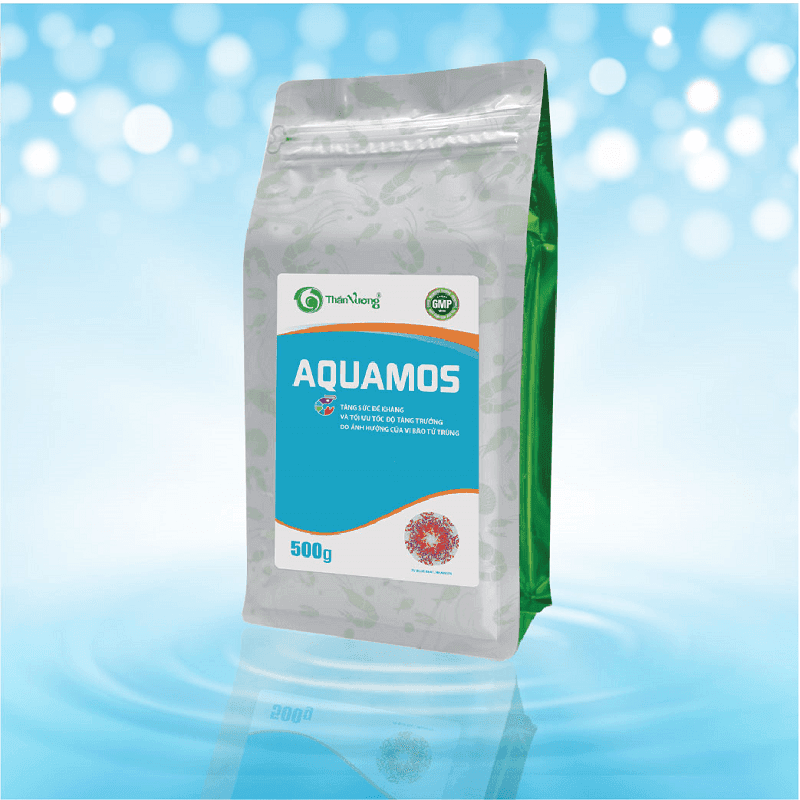
AQUAMOS
ShrimpThan Vuong Blue

AQUAMOS

Enhance resistance and optimize growth rate

MAX 4000
tom / ca / ocThan Vuong Blue

MAX 4000

Probiotic that helps reduce the toxic gases NH3, H2S and NO2

HERB GUARD
ShrimpThan Vuong Blue

HERB GUARD

Enhance liver function, improve color of hepatopancreas

More Reading

Related technical articles

CHANGES IN GUT MICROBIOTA DUE TO GLOBAL WARMING. REGULATING HOST HEALTH AND DISEASE STATUS IN POIKILOTHERMIC ANIMALS
Research Insight•Shrimp•February 28, 2026

CHANGES IN GUT MICROBIOTA DUE TO GLOBAL WARMING. REGULATING HOST HEALTH AND DISEASE STATUS IN POIKILOTHERMIC ANIMALS

Global warming alters the gut microbiota of Pacific whiteleg shrimp by restructuring enterotypes, increasing the risk of diseases su[...]

ANALYSIS OF THE SHRIMP HEPATOPANCREAS TRANSCRIPTOME UNDER EXPERIMENTAL EHP INFECTION CONDITIONS
Research Insight•Shrimp•January 20, 2026

ANALYSIS OF THE SHRIMP HEPATOPANCREAS TRANSCRIPTOME UNDER EXPERIMENTAL EHP INFECTION CONDITIONS

EHP is a specialized intracellular parasite, primarily parasitizing the hepatopancreas of shrimp, causing severe growth retardation.[...]

HEPATOPANCREAS PROTECTION – THE KEY TO IMPROVING SUCCESS RATES IN SHRIMP FARMING
Solution Track•Shrimp•January 6, 2026

HEPATOPANCREAS PROTECTION – THE KEY TO IMPROVING SUCCESS RATES IN SHRIMP FARMING

The hepatopancreas is the most important and multi-functional organ in shrimp, performing roles such as: digestion – nutrient absorp[...]

Ask Than Vuong

Aquaculture technical assistant

Hello there 👋

Describe your pond issue or pick a question below.