In the pond, toxic gases are continuously generated, and when they reach high levels, they become toxic to shrimp. Therefore, treatment is extremely important.
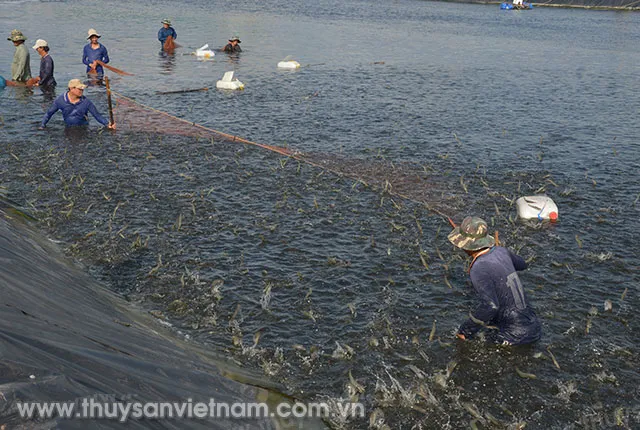
Ammonia exists in the aquatic environment in two forms: NH4+ (ionic form) and NH3 (unionized form). The ionic form is less toxic to shrimp, while the unionized form is toxic to shrimp. The concentration of NH3 present in the water environment depends on many factors, of which pH and temperature are the two most important. Generally, if the temperature is higher, pH is higher, and oxygen content is low, the toxicity of NH3 is higher; however, if salinity increases, their toxicity decreases slightly but insignificantly.
Impacts
High concentrations of NH3 and NO2 in the water environment are toxic to farmed shrimp, with the most evident symptoms being slow growth, reduced feed intake, surfacing, and gradual daily mortality. If the condition persists, shrimp will have reduced immunity, accumulate high levels of NH3 and NO2 in their bodies, and become susceptible to other diseases such as white feces disease, EMS, acute hepatopancreatic necrosis syndrome, black gill, white spot syndrome, muscle necrosis, etc.
Toxic gases often accumulate at the pond bottom, preventing shrimp from accessing feed, leading to empty guts and reduced growth in farmed shrimp.
A common adverse effect caused by toxic gases NO2/NH3 is osmotic imbalance, with symptoms such as soft shell after molting, slow growth, gill damage, and muscle edema.
Prevention of NO2 Toxic Gas
Thorough pond preparation; mud and organic waste must be completely removed from the pond before starting a new crop.
Use high-quality and reliable microbial products containing nitrifying bacteria (Nitrosomonas spp and Nitrobacter spp) regularly and continuously throughout the crop.
Additionally, regularly incorporate Yucca to reduce NH3, thereby lowering NO2 levels. Use enzymes to accelerate organic matter decomposition.
Maintain a stable density of beneficial algae in the pond.
Ensure sufficient oxygen supply in the pond, arrange aerators appropriately to avoid "dead zones" in the pond, and siphon out organic matter regularly.
Practice good feed management, avoiding overfeeding.
Remedial Solutions
When high NO2 levels are detected in the pond, adjust feed amounts to avoid overfeeding.
Circulating pond water to a sedimentation pond: When water is transferred from the culture pond to the sedimentation pond, NO2 will be treated before being returned to the culture pond. In the sedimentation pond, treat water with hydrogen peroxide at 5 - 10 ppm. Hydrogen peroxide will provide oxygen for the nitrification process and simultaneously oxidize organic matter. The drawback of this method is that it cannot be applied to large-volume shrimp ponds due to its very high cost. If farmers do not have a sedimentation pond, they should refer here.
Pond Treatment: CaCl2 can be treated at a rate of 20 - 30 kg/1,000 m3 every 2 - 3 days to enhance shrimp's resistance. When shrimp show signs of NO2 poisoning, oxygen tablets can be applied to the pond bottom during the day, continuously for several days.
Source: Con tôm