Biofilters are commonly used in recirculating aquaculture systems (RAS), but due to their limitations, innovators are busy developing viable alternatives – such as electro-oxidation – or improvements, such as electrocoagulation and UASB reactors.
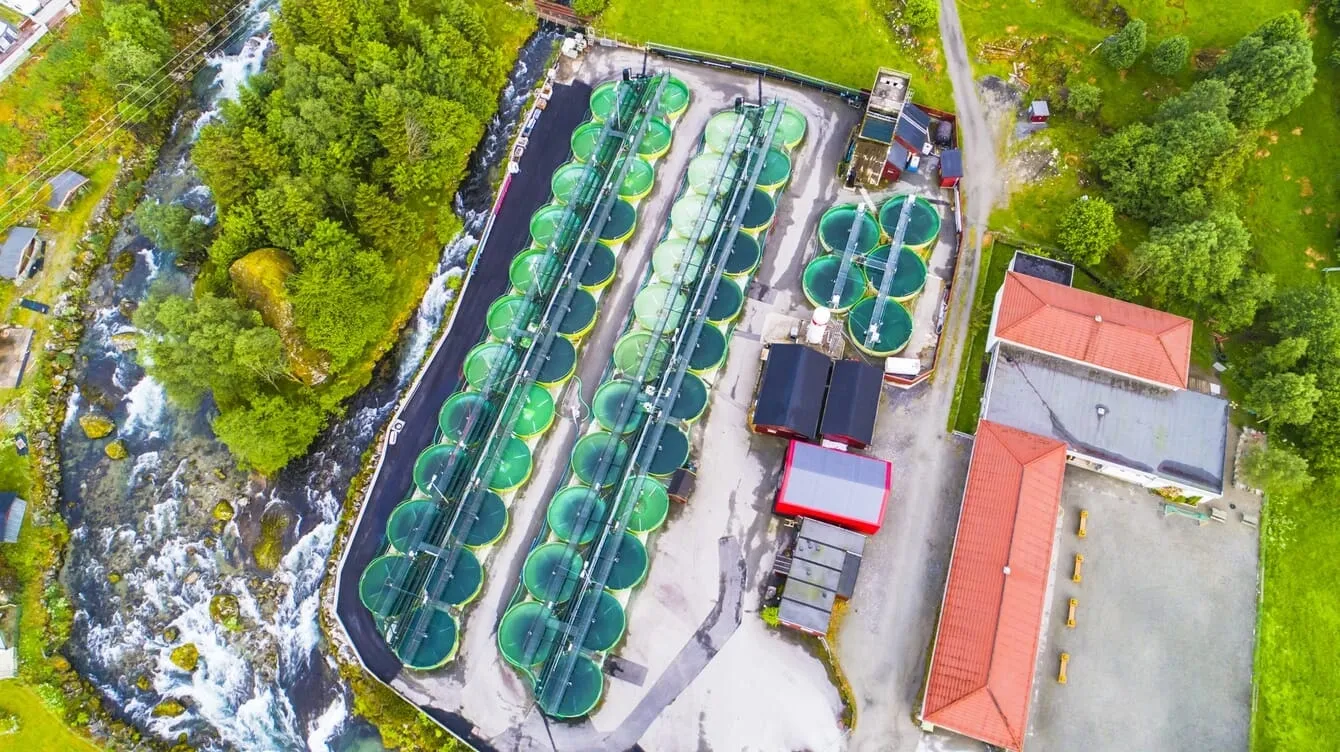
RAS is widely used for rearing fingerlings, however, its ability to efficiently produce market-sized fish such as salmon remains a subject of debate.
In a typical recirculating aquaculture system (RAS), a series of treatment processes are used to maintain the required water quality levels and also to sustain the growth of cultured fish species, while maintaining very low water exchange rates. A critical aspect of the treatment process is biofiltration.
Biofilters are commonly used in recirculating aquaculture systems (RAS), but due to their limitations, innovators are busy developing viable alternative solutions – such as electro-oxidation – or improvements, such as electrocoagulation and UASB reactors. Shrimp — Water & Environment A recent report published in the journal Aquaculture International has provided further insight into the role of electrolyte supplem[...] Full-year 2025 global shrimp trade summary: Ecuador leads exports at 1.39M MT (+15%), EU imports surge 21%, US tariff shifts reshape[...] Global warming alters the gut microbiota of Pacific whiteleg shrimp by restructuring enterotypes, increasing the risk of diseases su[...]Frequently asked questions on this topic
What does "IS IT TIME TO REPLACE TRADITIONAL BIOLOGICAL FILTERS IN RAS?" cover?
Which species does this article apply to?
Products linked to this topic
Related technical articles

THE ROLE OF ELECTROLYTE SUPPLEMENTATION FOR SHRIMP

Global Shrimp Market 2025 Overview — Shrimp Insights Bulletin February 2026

CHANGES IN GUT MICROBIOTA DUE TO GLOBAL WARMING. REGULATING HOST HEALTH AND DISEASE STATUS IN POIKILOTHERMIC ANIMALS