Temperature changes have affected several physiological characteristics of shrimp, such as the hepatopancreas; the digestion of hepatic tubules and cells; enzyme activity; disease resistance; and hemocyte synthesis…
The hepatopancreas is the main digestive and excretory organ, involved in molting and energy storage in the shrimp body. B cells in the hepatopancreas are one of the primary sites for nutrient absorption and digestion, and the organ for digestive enzymes in shrimp.
Experiment on temperature affecting the evolution of hepatic tubules and cells: Experimental shrimp were acclimated in tanks at 280C. They were then placed in an incubator with a cooling temperature of 2.50C after 8 hours. Feeding occurred twice a day. After the experiment, hepatopancreas samples were examined and fixed with paraformaldehyde. Changes in cell membranes due to temperature and altered B cell activity were observed. It was noted that shrimp have high physiological adaptability, but during this period, energy is not entirely allocated to growth or defense.
Experiment on the effect of temperature changes on shrimp enzyme activity: PL shrimp were cultured for 50 days at three different temperature levels: 190C, 230C, and 270C. After the experiment, shrimp at 270C showed the highest trypsin activity, double that of the 230C treatment. This indicates improved digestive capacity at higher temperatures.
Effect on lipid peroxidation activity reducing cellular resistance: Shrimp were acclimated at 220C, then divided into two groups and cultured in tanks at 160C and 280C. The experiment lasted 48 hours. SOD activity was measured. SOD is an enzyme responsible for reducing or eliminating oxidative damage to cytoplasmic membranes. After 48 hours, heat-stressed shrimp showed reduced SOD activity in both 160C and 220C temperature treatments. This indicates that temperature changes reduced the antioxidant capacity of shrimp.
Effect on total hemocyte count: The experiment was conducted as above, but hemocyte concentration was measured after each experimental period. Hemocytes are important immune components. Temperature changes can inhibit hemocyte production in hematopoietic organs. The decrease in total hemocyte count increased shrimp susceptibility to pathogens.
Temperature changes have impacted shrimp physiology: Reduced disease resistance, increased susceptibility to pathogens, and decreased energy for growth.
Impact of Season on Performance

Average weekly growth rate and survival rate decrease during summer and transitional seasons. During this period, the likelihood of outbreaks of certain diseases such as Vibrio, WSSV, etc., is high.
Some notes on pond management:
- Reduce shrimp stocking density (by 25%)
- Select larger postlarvae for stocking
- Distribute feed 30% in the morning and 70% in the afternoon
- Regularly supplement molasses and probiotics into the pond
- Manage C/N ratio above 12: Supplement beneficial bacteria
- Effectively control environmental factors
Control feed quantity and select feed with high nutritional content for better physiological adaptation in shrimp, such as: protein ratio; amino acids; antioxidants; well-balanced nutrition and minerals; vitamins…
Effectively manage feed and select appropriate functional additives to stimulate macrophage activity, improve nutrient absorption, fight bacteria, and maintain microbial balance in the digestive tract when adverse conditions occur.
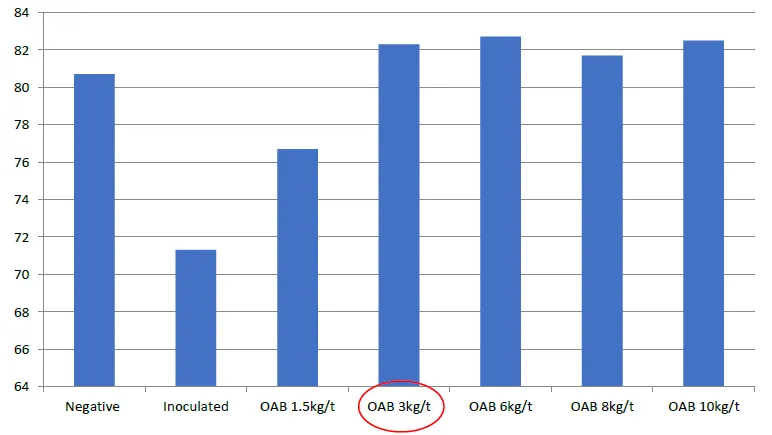
The blend of organic acids (short and medium chain) on shrimp pathogens: Organic acid mixtures were incorporated into feed at different levels (0.15% to 1%). All feeds mixed with organic acid blends showed survival rates close to the negative control. And survival rates improved by 10-12% compared to the positive control.
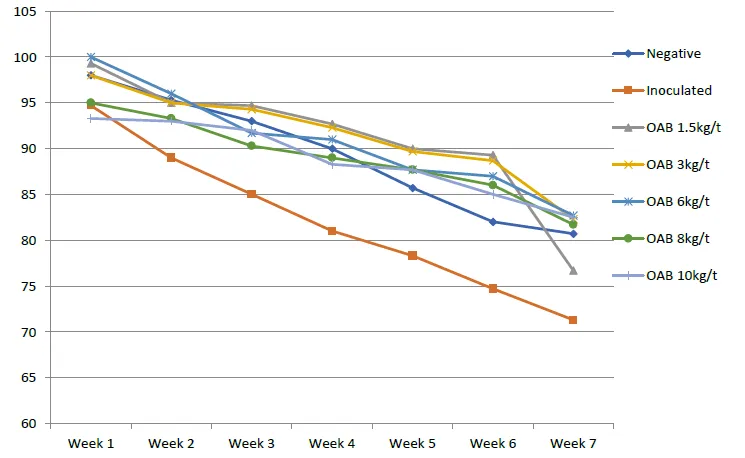
Survival rate at week 7 after challenge with Vibrio bacteria
During seasonal transitions, shrimp physiology gradually shifts towards adaptation. Temperature changes affect feed intake, growth potential, and reduce shrimp disease resistance. To mitigate these effects, it is necessary to select feed with appropriate nutritional content combined with functional additives to support the immune system and growth during this transitional period.
Source: Frederic BARON – ADM AQUA NUTRITIONIST